- Home
- blood sugar levels
Diabetes Blood Sugar Levels: Targets, High and Low Readings, and When to Act
Quick Answer
For many non-pregnant adults living with diabetes, common blood sugar targets are:
- Before meals: 80–130 mg/dL (4.4–7.2 mmol/L)
- 1–2 hours after starting a meal: below 180 mg/dL (10.0 mmol/L)
- Low blood sugar: below 70 mg/dL (3.9 mmol/L)
- Common CGM target range: 70–180 mg/dL (3.9–10.0 mmol/L)
These are general treatment targets, not rules for everyone. Your doctor may recommend different goals based on your age, pregnancy status, diabetes treatment, risk of low blood sugar, other medical conditions, and personal circumstances.
Written by: Dr. Albana Greca, Family Physician / General Practitioner
Specialist reviewed by: Dr. Ruden Cakoni, Endocrinologist
Last medically reviewed: July 2026
Diabetes blood sugar levels influence many everyday decisions, including when and what you eat, physical activity, medicine timing, insulin dosing, driving, sleep, and what to do during illness.
Understanding your readings can help you recognize patterns, respond safely to high or low glucose, and have more useful conversations with your healthcare team. The goal is not to achieve one perfect number at all times. It is to remain within a safe, individualized range as often as reasonably possible while avoiding dangerous lows.
A single reading provides only a snapshot. Several readings collected with information about meals, medicines, exercise, stress, sleep, and illness usually provide a clearer picture.
Key Points
- Daily diabetes targets are different from the laboratory thresholds used to diagnose diabetes.
- Blood sugar below 70 mg/dL is considered low and usually requires prompt treatment.
- Repeated readings above or below your target are more meaningful than one unusual result.
- Home glucose meters and continuous glucose monitors help with monitoring, but they are not normally used alone to diagnose diabetes.
- Personalized targets are especially important during pregnancy and for children, older adults, and people at increased risk of severe hypoglycemia.
What Is a Diabetes Blood Sugar Level?
A blood sugar level is the amount of glucose present in your blood at the time it is measured. It may be checked with a finger-stick glucose meter, a continuous glucose monitor, or a laboratory blood test.
Glucose is an important source of energy. It comes mainly from carbohydrate-containing foods, while the liver can also release stored glucose between meals and overnight. Insulin helps glucose move from the bloodstream into the body’s cells.
In diabetes, the body may not produce enough insulin, may not use insulin effectively, or may have both problems. This can cause glucose to remain in the bloodstream and rise above the desired range.
Blood sugar naturally changes throughout the day. The meaning of a result depends on when you tested, when you ate, which medicines you use, your activity, symptoms, and whether the reading is part of a repeated pattern.
Blood Sugar Targets for Adults With Diabetes
The following are common treatment goals for many non-pregnant adults. They must be individualized by your healthcare professional.
| Time or measurement | Common target |
|---|---|
| Before meals | 80–130 mg/dL (4.4–7.2 mmol/L) |
| 1–2 hours after starting a meal | Below 180 mg/dL (10.0 mmol/L) |
| Common CGM target range | 70–180 mg/dL (3.9–10.0 mmol/L) |
| Low blood sugar | Below 70 mg/dL (3.9 mmol/L) |
| Clinically significant low | Below 54 mg/dL (3.0 mmol/L) |
For a more detailed guide covering fasting, before-meal, after-meal, bedtime, and overnight readings, see Blood Sugar Levels by Time of Day.
Important: A lower target is not automatically a better or safer target. Very strict glucose goals can increase the risk of hypoglycemia in people who use insulin or certain diabetes medicines.
Why Your Personal Target May Be Different
Your healthcare professional may recommend different goals if you:
- Are pregnant or planning pregnancy
- Are a child or teenager
- Are an older or frail adult
- Have frequent or severe hypoglycemia
- Do not recognize symptoms of low blood sugar
- Have kidney, liver, heart, or cognitive problems
- Have advanced diabetes complications
- Recently had surgery or a serious illness
- Use medicines that can cause hypoglycemia
- Have complex healthcare needs or difficulty managing a demanding treatment plan
The safest target balances protection from long-term complications with the immediate need to prevent severe hypoglycemia and excessive treatment burden.
What Is Normal Blood Sugar Without Diabetes?
| Measurement | Normal reference range |
|---|---|
| Fasting plasma glucose | Below 100 mg/dL (5.6 mmol/L) |
| Two-hour oral glucose tolerance test | Below 140 mg/dL (7.8 mmol/L) |
| HbA1c | Below 5.7% |
For more help interpreting results, read Normal Blood Glucose Reading: What Your Numbers Mean.
How Is Diabetes Diagnosed?
Diabetes is normally diagnosed with laboratory testing and clinical evaluation. A home glucose meter or CGM result can alert you to a possible problem, but it should not usually be used alone to diagnose diabetes.
| Test | Normal | Prediabetes | Diabetes range |
|---|---|---|---|
| Fasting plasma glucose | Below 100 mg/dL | 100–125 mg/dL | 126 mg/dL or higher |
| HbA1c | Below 5.7% | 5.7–6.4% | 6.5% or higher |
| Two-hour OGTT | Below 140 mg/dL | 140–199 mg/dL | 200 mg/dL or higher |
| Random plasma glucose | — | — | 200 mg/dL or higher with classic symptoms or hyperglycemic crisis |
When there are no clear symptoms, an abnormal result generally needs confirmation with a repeat test or a different diagnostic test. Different criteria are used during pregnancy.
What Is the Best Time to Check Blood Sugar?
First thing in the morning
A fasting reading can show what happened overnight and may help identify the dawn phenomenon, insufficient overnight insulin, the effect of a late meal, or an overnight low.
Before meals
A before-meal result provides a baseline. It can help assess control between meals and may be needed when following a prescribed mealtime insulin plan.
One to two hours after starting a meal
This reading helps show how the meal, carbohydrate portion, medicine timing, and recent activity affected your glucose.
Before bedtime
A bedtime check may help assess the risk of overnight high or low blood sugar. There is no single bedtime target that is appropriate for everyone.
Before, during, or after exercise
Monitoring around physical activity can help you understand whether exercise raises or lowers your glucose and reduce the risk of activity-related hypoglycemia.
When you have symptoms
Check when you feel shaky, sweaty, unusually hungry, thirsty, weak, confused, tired, dizzy, or unwell. Symptoms alone cannot reliably distinguish high glucose from low glucose.
During illness or unusual stress
Illness, infection, pain, dehydration, poor sleep, and emotional stress can raise glucose. Follow your sick-day plan and check more often when instructed.
Should You Use a Meter or a CGM?
Both glucose meters and continuous glucose monitors can be useful. The best choice depends on your treatment, hypoglycemia risk, preferences, access, and cost.
How Accurate Are Glucose Readings?
Meters and CGMs are useful medical devices, but no device is perfectly accurate. Small differences between readings are expected.
- Sugar, fruit, food, or lotion residue on the fingers
- Wet hands or alcohol that has not dried
- Expired, damaged, or incorrectly stored test strips
- Pressure on the CGM sensor while sleeping
- Rapidly rising or falling glucose
- Device-specific medicine or supplement interference
Practical rule: If a reading does not match how you feel, wash and dry your hands and confirm it with a finger-stick meter. Do not ignore severe symptoms because a device displays a reassuring number.
What Does High Blood Sugar Feel Like?
- Increased thirst
- Frequent urination
- Dry mouth
- Tiredness or weakness
- Blurred vision
- Headache
- Difficulty concentrating
What Does Low Blood Sugar Feel Like?
- Shaking or trembling
- Sweating
- Sudden hunger
- Fast or pounding heartbeat
- Dizziness
- Headache
- Anxiety or irritability
- Blurred vision
- Confusion or unusual behavior
What to Do If Blood Sugar Is Below 70 mg/dL
- Take approximately 15 grams of fast-acting carbohydrate.
- Wait 15 minutes.
- Check your blood sugar again.
- If it is still below 70 mg/dL, repeat the treatment.
- Once glucose has recovered, follow your care plan regarding the next meal or snack.
Emergency Warning: Severe Low Blood Sugar
Do not give food or drink to someone who is unconscious, having a seizure, severely confused, or unable to swallow safely.
Use glucagon if it is available and you have been trained to use it. Call emergency medical services immediately.
What to Do When a Reading Is Unexpectedly High
- Wash and dry your hands.
- Check again with a new, unexpired strip.
- Review the context: meals, medicines, insulin, physical activity, illness, stress, sleep, and hydration.
- Follow your written correction or sick-day plan.
- Drink water if appropriate.
- Check ketones when instructed.
- Contact your healthcare team if glucose remains high.
Seek Emergency Medical Care Now If You Have
- Loss of consciousness or a seizure
- Severe confusion or difficulty waking
- Repeated vomiting or inability to keep fluids down
- Moderate or large ketones
- Deep, rapid, or difficult breathing
- Fruity-smelling breath
- Severe abdominal pain
- Severe dehydration or extreme weakness
- Chest pain, fainting, or stroke-like symptoms
What Does HbA1c Tell You?
HbA1c provides an estimate of your average glucose exposure over approximately the previous two to three months. It does not show individual highs, lows, or daily fluctuations.
You can estimate average glucose from an HbA1c result using the HbA1c to Average Glucose Calculator.
What Is Time in Range?
For many adults with type 1 or type 2 diabetes, the standard CGM target range is 70–180 mg/dL (3.9–10.0 mmol/L). Time in range is the percentage of time your glucose remains within that range.
How to Lower High Blood Sugar Safely
- Follow your prescribed treatment.
- Choose balanced meals and appropriate carbohydrate portions.
- Move regularly when medically safe.
- Work toward a realistic, individualized weight goal if needed.
- Review glucose patterns rather than reacting to one reading.
- Discuss heart- and kidney-protective treatment when appropriate.
- Be cautious with herbs and supplements.
Frequently Asked Questions
Is 180 mg/dL after eating normal for a person with diabetes?
For many non-pregnant adults with diabetes, the common goal is below 180 mg/dL about 1–2 hours after starting a meal.
Is 200 mg/dL dangerous?
A reading of 200 mg/dL is above the usual treatment target, but urgency depends on timing, symptoms, ketones, diabetes type, pregnancy status, and whether it persists.
Can stress raise blood sugar?
Yes. Stress hormones can cause the liver to release glucose and temporarily reduce insulin sensitivity.
Why is my blood sugar high in the morning?
Possible causes include the dawn phenomenon, insufficient overnight insulin, a late meal, illness, poor sleep, steroid treatment, or rebound after an overnight low. Read Why Is My Blood Sugar High in the Morning?
How do I convert mmol/L to mg/dL?
Use the mg/dL and mmol/L Blood Sugar Converter.
Doctor’s Note from Dr. Albana Greca
Blood sugar management is not about chasing one perfect number. I encourage my patients to look for patterns: what happens before breakfast, after meals, during activity, overnight, and when they are ill or stressed.
Write down the circumstances around unexpected readings and share them with your healthcare team.
Educational Safety Note
This page provides general diabetes education. It is not a diagnosis, personal treatment plan, or substitute for care from a qualified healthcare professional who knows your medical history.
Do not start, stop, or change insulin or another diabetes medicine based only on information from this page.
Related Blood Sugar Guides and Tools
References
- American Diabetes Association Professional Practice Committee. Glycemic Goals, Hypoglycemia, and Hyperglycemic Crises: Standards of Care in Diabetes—2026. Diabetes Care.
- National Institute of Diabetes and Digestive and Kidney Diseases. Diabetes Tests & Diagnosis.
- National Institute of Diabetes and Digestive and Kidney Diseases. The A1C Test & Diabetes.
- Centers for Disease Control and Prevention. Low Blood Sugar (Hypoglycemia).
- Centers for Disease Control and Prevention. Treatment of Low Blood Sugar: The 15-15 Rule.
Diabetes Test and Levels Questions or Problems - Ask your Question?
This is the place where you can ask a question about anything related to Diabetes Test and Levels It's free and it's easy to do. Scroll down the page to ask your questions.
What Other Visitors Have Asked
Click below to see contributions from other visitors to this page...
Fluctuating blood sugar levels 198 to 130 
QUESTION: I am 52, post-menopausal, 5'2" and 200 lb. I have type 2 diabetes, fatty liver disease, and a preliminary diagnosis of early cirrhosis. …
Blood sugar still high after insulin, reaching 400 and 500 mg/dL
QUESTION: I take Humulin R and Novolin N as directed, but for the last week my blood sugar has remained in the 400s and 500s. I am sweating, …
Normal level at bedtime (91), up 35 points in morning (145).
Question from Frances:
Why is my blood sugar 91 mg/dL when I go to bed and 145 mg/dL when I wake up, even though I have nothing to eat or drink …
Sugar Level Post Prandial (PP) 190 - Is it Normal Range?
QUESTION : My Sugar Level in fasting is 100 and PP is 190. I am 27 years old. Please advise whether it is normal range and also advise me how to prevent …

My sugar level after 2 hours of food is 196
My sugar level after 2 hours of food is 196. Is it very alarming. I do take glycomet one tab daily. Any suggestion for rectifying the level.
A1c levels 142 - 145
.bd-tight p{margin:0 0 6px!important;}
.bd-tight h2{margin:14px 0 5px!important;line-height:1.2;}
.bd-tight h3{margin:10px 0 4px!important;line-height:1.25;} …
High Blood Sugar Numbers Before (122, 118) and After (140, 142).
QUESTION: For the last six days, my morning blood sugar before breakfast has ranged from 122 to 140 mg/dL. About two hours after breakfast, …
Is 122 mg/dl Fasting blood glucose level a sign of diabetes ??
Question from Huda:
I am 19 years old, 160 cm, and 70 kg. I started a diet. By chance I checked my random glucose and it was 173 mg/dL. Then …
Fasting Blood Glucose 194, Random BG 204 mg/dL
QUESTION: I am 31 and have type 2 diabetes. I have taken one Daonil tablet each morning for six months, but my fasting glucose is 194 mg/dL …
Fasting level after eating a lots of sweets
My fasting sugar was 112 after a night of eating cakes and rice a lot

fasting glucose level is higher than pp
Fasting level 102 and pp 92. What does it mean. Am I diabetic ?

Diabetes high in morning / normal in evening
QUESTION: My blood sugar is high in the morning but normal in the evening. Why does this happen?
Quick Answer
High morning glucose …
Sugar Levels after Exercise
Dr. Albana,
Is it true that sugar levels when checked immediately after exercise, say by a home meter, will be on the higher side as compared to normal …
Insulin production or insulin resistance or inefficient B-cells
QUESTION:
By Varun, India
As I understand it, high blood sugar is a sign of an underlying problem. This could be reduced insulin production, …
Blood Sugar 195?
Question from Vera:
I noticed that my blood sugar yesterday was 195 mg/dL. What should I do in this case?
Quick Answer
Vera, a …
Is blood sugar level of 107 or 110 mg/dL high?
Question from Roni:
My blood sugar sometimes goes up to 107 or 110 mg/dL. My doctor said I do not have to worry, but I am not sure if this …
Blood Sugar Level Of 3000?
Quick Answer
Blood glucose levels above 2000 mg/dL have been reported, but a value of 3000 mg/dL would be extraordinarily rare. Any reading …

High blood sugar readings upon waking
Question from Michelle:
When I test my blood sugar in the morning before eating breakfast, the number is higher than it is in the afternoon …
Why do I wake up with blood sugar level as high as 300?
Question from a Reader
QUESTION: Hi, I have type 2 diabetes and wake up with a very high blood sugar level, sometimes as high as 300 mg/dL. Why does …
Very high blood sugar levels even while on insulin....Really Worried
CONCERN : Hello, I was diagnosed with diabetes and we are still searching for a care plan that works. My levels have never been under the mid 200's and …
Prediabetic Fasting blood glucose drop Not rated yet
.bd-tight p{margin:0 0 6px!important;}.bd-tight h2{margin:14px 0 5px!important;line-height:1.2;}.bd-tight h3{margin:10px 0 4px!important;line-height:1.25;}.bd-tight …
Fasting Sugar 111, after 1.5 hours after foods is 147 Not rated yet
Question:
Hi, I am a 45-year-old adult female. My fasting sugar is 111 mg/dL. After 1.5 hours after food, it is 147 mg/dL. My HbA1c is 6.3%. …
High glucose in morning Not rated yet
.bd-tight p{margin:0 0 6px!important;}.bd-tight h2{margin:14px 0 5px!important;line-height:1.2;}.bd-tight h3{margin:10px 0 4px!important;line-height:1.25;}.bd-tight …
130 Fasting Blood Sugar Every Morning Not rated yet
Question from Robert:
My fasting blood sugar is around 130 mg/dL every morning. Am I diabetic? What should I do, and do I need treatment? …
At wits end-fasting blood sugar 100 - 400 Not rated yet
QUESTION: I follow a very low-carbohydrate diet and take metformin 850 mg twice daily, Januvia, Tresiba 60 units daily, and Humalog 40 units …
Blood Sugar higher than before on Insulin Not rated yet
Quick Answer
Assuming the readings are in mmol/L, 7.8 is about 140 mg/dL and 9.0 is about 162 mg/dL. A higher reading after starting insulin …
How type 2 diabetics are prescribed insulin when cells are not using properly? Not rated yet
QUESTION: How can a person with type 2 diabetes be treated with insulin when the problem is that the body's cells do not respond to insulin …
Post predinial level (PP) up to 196 Not rated yet
.bd-tight p{margin:0 0 6px!important;}.bd-tight h2{margin:14px 0 5px!important;line-height:1.2;}.bd-tight h3{margin:10px 0 4px!important;line-height:1.25;}.bd-tight …
What Does a Blood Sugar Level of 127 mg/dL Mean? Not rated yet
.c2{font:18px/1.5 Arial,sans-serif;color:#24323d;max-width:920px;margin:10px auto;text-align:justify}
.c2 h2,.c2 h3{color:#14536b;text-align:left;margin:18px …
Am diabetic patient with fasting sugar 145 and after food 107? Yes or no ? Not rated yet
QUESTION : Hello,
I am 49 years of age. My fasting blood sugar level is 145 and after lunch 2 hour, glucose level is 107.
Am I diabetic?
…
Fasting sugar 130, post lunch 160, on medicines. Is it normal? Not rated yet
Quick Answer
For many nonpregnant adults already treated for diabetes, fasting or before-meal glucose of 130 mg/dL is at the upper end of the …
Blood Sugar 217 mg/dL Two Hours After Eating: Is It Dangerous? Not rated yet
.c2{font:18px/1.5 Arial,sans-serif;color:#24323d;max-width:920px;margin:10px auto;text-align:justify}
.c2 h2,.c2 h3{color:#14536b;text-align:left;margin:18px …
Blood Sugar Around 250 After Iftar During Ramadan – Should I Be Concerned? Not rated yet
Question from Musa
I am diabetic, and after a whole day of fasting during Ramadan my blood sugar ranges from 108 to sometimes 125 mg/dL. But …
Fasting Blood Sugar 152 and HbA1c 6%: Am I Diabetic Not rated yet
QUESTION: Why is my fasting blood sugar 152 mg/dL, my PPBS 140 mg/dL, and my HbA1c 6%? Am I diabetic?
Quick Answer
A fasting …
Can I Fast During Ramadan With Type 2 Diabetes and HbA1c 8.2%? Not rated yet
Question from Ameena
I have taken diabetes tablets for nearly five years. I now take Inogla-M 500, half in the morning and half at night. My …
Are Blood Glucose Levels Between 70 and 128 Normal While Taking Metformin? Not rated yet
Question from Patricia
Hi Doctor. My blood glucose varies from 70 to 128 mg/dL. I was taking my metformin at night but recently changed it …
Fluctuation of glucose level Not rated yet
Question from Mathi
Hi Doctor. My fasting glucose level is 167 mg/dL, but after a workout my random glucose level is 114 mg/dL. I have type …
Prediabetes and 196 Blood Sugar After Breakfast – Am I Diabetic? Not rated yet
Question
Hello Doctor. I was diagnosed with prediabetes. One hour after eating breakfast, I checked my blood sugar and it was 196 mg/dL. Am …
IS OVER 190 LEVEL DANGEROUS FOR DIABETICS? Not rated yet
Question from Ola, Nigeria
My result shows 192 mg/dL about 2 hours after food. I am not on drugs but trying lifestyle change. Is a blood sugar …
HbA1c 6.6 but normal finger prick blood sugar readings Not rated yet
QUESTION: My HbA1c is 6.6%, but my fasting, random, and 2-hour after-meal finger-prick glucose readings are usually normal. I have no classic …
Low Morning Blood Sugar and 145 After a Snack – Does This Mean Diabetes? Not rated yet
Question from Alice
I have recently been measuring my blood sugar in the morning about one or two hours after waking up. My morning levels …
Can you get diabetes in a year? Not rated yet
QUESTION: My fasting blood sugar was 95 mg/dL exactly one year ago at my annual exam. Recently I checked it at home and got readings of 116 and …
Why Does My Blood Sugar Rise Without Eating? Stress, Periods and Diabetes Risk Not rated yet
QUESTION: I sometimes have a fasting blood sugar of 95 mg/dL, then I do not eat for a few hours and test again and it is 116 mg/dL. Why does my …
Fasting Sugar 154 and 2-Hour Sugar 269: Could This Be Diabetes? Not rated yet
QUESTION: I am 59 years old. My fasting glucose was 154 mg/dL and my reading 2 hours after breakfast was 269 mg/dL. Another random blood sugar …
HbA1c 6.4% After Gestational Diabetes: Am I Prediabetic? Not rated yet
QUESTION: I am 26 years old. My recent fasting blood sugar is 102 mg/dL; previous results were 100 and 98 mg/dL. My HbA1c is 6.4%. I had gestational …
Blood Sugar Always around 90-120 Not rated yet
QUESTION: My blood sugar is usually 95–120 mg/dL. My fasting laboratory glucose 11 months ago was 95 mg/dL. After a high-carbohydrate dinner …
Is FBS 107.4 mg/dL and PPBS 126.0 mg/dL to be worried? Not rated yet
QUESTION: My fasting blood sugar was 107.4 mg/dL and my post-meal blood sugar was 126 mg/dL. Are these results normal, abnormal, or something …
Normal Blood Sugar Level 90, Lately got 121 Not rated yet
Question from Sadie
QUESTION: Hi, my blood sugar levels are normally around 90 mg/dL, but lately I got a reading of 121 mg/dL. Am I doing something …
Fasting Blood Sugar 89.7, PPBS 144.2, HbA1C 8 Not rated yet
Quick Answer
An HbA1c of 8.0% shows that average glucose was above the usual target over the previous two to three months, even though one fasting …
Berberine and Type 2 Diabetes Not rated yet
id^="submission_" br{display:none!important;}
id^="submission_" p:empty{display:none!important;margin:0!important;}
id^="submission_" …
Diagnosis as a type 2 diabetic reading of 468 mg/dl. Not rated yet
QUESTION: I was diagnosed with type 2 diabetes after a blood glucose reading of 468 mg/dL. With my cardiologist’s approval, I used intensive …
Sugar Level 173 Not rated yet
Question from Mr. Ashur:
I checked my blood sugar with a finger-stick meter 2 hours and 30 minutes after breakfast, and it was 173 mg/dL. …
fasting 140 and postprandial is 240 Not rated yet
Question
Hi
I am a male aged 53 years, my sugar level is in fasting 140 and post postprandial is 240 is it very dangerous?
Answer
Hello Bhanu …
A1c 6.5% With Normal Home Blood Sugar Readings Not rated yet
QUESTION: Hi, I am a type 2 diabetic. My fasting blood sugar has been running in the 80s and sometimes in the 90s before breakfast, and 120 …
Weird Blood Sugar Readings Not rated yet
QUESTION: I am 66 and have not been diagnosed with diabetes, although my last HbA1c was 5.9%. Most home readings are below 160 mg/dL after eating, …
Diabetes 210 two hours after dinner Not rated yet
QUESTION Hi sir,
My Mother is not a diabetic, age is almost 45 years old, But due to today pain in her legs, just now I have diabetes readings. It's …
My A1c was 6% 5.6% 6.3% latest 3 months Not rated yet
PERSONAL EXPERIENCE:
By Bonny C. Damocles
I am 80 years old and have lived with type 2 diabetes for almost 25 years. My diagnosis followed …
Fasting Sugar 115–132 mg/dL: Am I Diabetic? Not rated yet
Question from Madhok, India
My fasting sugar fluctuates between 115 and 132 mg/dL , while my random sugar fluctuates from 95 to 130 mg/dL …
Fasting and Post-Meal Blood Sugar: Are 80, 121, 166, and 186 Normal? Not rated yet
.c2h{background:#eef6ff;border-left:4px solid #7aa7d9;padding:6px 9px;margin:8px 0 3px}.c2g{background:#eef8f0;border-left:4px solid #7bbf8a;padding:6px …
My sister's blood level was 415 - should I have taken her to the hospital? Not rated yet
.bd-tight p{margin:0 0 6px!important;}
.bd-tight h2{margin:14px 0 5px!important;line-height:1.2;}
.bd-tight h3{margin:10px 0 4px!important;line-height:1.25;} …
How exercise will control blood sugar levels? Not rated yet
QUESTION: How does exercise lower blood glucose at the cellular level? Does every red blood cell become glycated, and what does an HbA1c test …
Why did my serum glucose increase from 137 to 310 mg/dL? Not rated yet
.c2{font:18px/1.48 Arial,sans-serif;color:#24323d;max-width:920px;margin:10px auto;text-align:justify}.c2 h2,.c2 h3{color:#14536b;text-align:left;margin:20px …
Blood Sugar 102 to 117 After Coffee: Is This Normal With Type 2 Diabetes? Not rated yet
.c2h{background:#eef6ff;border-left:4px solid #7aa7d9;padding:6px 9px;margin:8px 0 3px}.c2g{background:#eef8f0;border-left:4px solid #7bbf8a;padding:6px …
Blood Sugar 99 After Eating: Could It Be Diabetes? Not rated yet
.c2h{background:#eef6ff;border-left:4px solid #7aa7d9;padding:6px 9px;margin:8px 0 3px}.c2g{background:#eef8f0;border-left:4px solid #7bbf8a;padding:6px …
Glucose 112 with myasthenia gravis and prednisone Not rated yet
Quick Answer
A non-fasting glucose of 112 mg/dL measured three hours after breakfast is reassuring and does not meet a diagnostic threshold …
Fasting Blood Sugar 145 at Age 81: Am I Diabetic? Not rated yet
.c2h{background:#eef6ff;border-left:4px solid #7aa7d9;padding:7px 10px;margin:9px 0 4px}
.c2g{background:#eef8f0;border-left:4px solid #7bbf8a;padding:7px …
Fasting Plasma Glucose 159 mg/dL but 2-Hour Blood Sugar 109 mg/dL: Am I Diabetic? Not rated yet
Question: My fasting plasma glucose was 159 mg/dL, but my blood sugar two hours later was 109 mg/dL. Does this mean I have diabetes?
…
Blood sugar level 190 after eating Not rated yet
QUESTION : Hi,
My blood sugar level after eating is 190.
What can I do to lower the level immediately?
ANSWER : Hi there,
Thank you …
Sugar Readings, Increase over night, Concern Not rated yet
QUESTION : Hi,
A picture of health at 81: I've always been active but have been 'officially' working out at the gym 3 days a week and walking at least …
Fasting Blood Sugar Always Above 100 mg/dL Causes Not rated yet
Question from Rony:
My fasting blood sugar is always over 100 mg/dL, sometimes 102, 105, or 107. I lost almost 20 lb in one year, exercise …
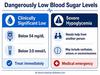
Dangerous low Sugar, A1C Level up to 3.0% Not rated yet
Question from Marcel:
I have type 2 diabetes. I woke up shaking and feeling like I was going to pass out. My blood sugar was 3.2 mmol/L …
Diabetes Test Report Not rated yet
Quick Answer
A fasting blood sugar of 107 mg/dL is slightly above the normal laboratory fasting range and falls within the prediabetes range …

How to perform an A1C test at home with fasting blood sugar 98–108 mg/dL Not rated yet
.c2{font:18px/1.48 Arial,sans-serif;color:#24323d;max-width:920px;margin:10px auto;text-align:justify}.c2 h2,.c2 h3{color:#14536b;text-align:left;margin:20px …

Why is my A1C 6.7% when fasting blood sugar is under 105? Not rated yet
.c2{font:18px/1.48 Arial,sans-serif;color:#24323d;max-width:920px;margin:10px auto;text-align:justify}.c2 h2,.c2 h3{color:#14536b;text-align:left;margin:20px …
Glucose Level Paradox Not rated yet
Question from Dr. Emil Katz:
I am 67 years old and exercise intensively every day. My morning glucose level has been 120–135 mg/dL for the …
Why Fasting Sugar Ranges 125-130 mg/dL & HbA1C <6.5%? Not rated yet
Question from Prakash:
My fasting sugar is 125–130 mg/dL and my HbA1c is less than 6.5%. I exercise regularly: 20 minutes running on the treadmill …
Convert Blood Sugar Reading of 12.3 to USA Terms Not rated yet
Question from PJV:
My son recently was in South Africa and his blood sugar reading was 12.3. What does that convert to in USA terms please? …
Blood Sugar After Eating Sweets of 236 Not rated yet
Question:
I normally do not have high blood sugar, but I ate ice cream, two malai cakes, and strawberry syrup before my blood sugar test. The …
High & Low Sugar Level With High Blood Pressure Not rated yet
QUESTION : I went to my doctor for regular check up and was told two weeks ago that I am diabetic. Glucose was in my urine and blood sugar was 310. …
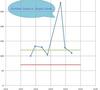
Sudden Jump in Fasting Sugar Level Not rated yet
QUESTION : I am 29 yrs old and a Type II diabetic, was diagnosed 6 months ago. I am taking Glyburide 2.5mg and Metaformin 500mg ,3 times a day.
My …
How to Mantain HBAIC Lower than 8.6? Not rated yet
QUESTION: For the last two months, I have been taking Lantus at night, Galvus 50 and Amaryl MP2 Forte before breakfast, and Amaryl M-1 Forte …
How long does it take to reduce a reading of 800 to get back to a normal range? Not rated yet
Question:
How long does it take to reduce a blood sugar reading of 800 mg/dL back to a normal range? Is hospitalization necessary?
…
High glucose readings 27.3 up to 33.6 mmol/L for the last week! Not rated yet
Question:
My readings have been very high for the last week. I am getting readings of 27.3 up to 33.6 mmol/L. What is the end result of these …
How long to fast for A1C test? Not rated yet
Sharing Experience : This is something very important, because most people still think that they have to fast, before the A1C test.
However, this …
Goals for geriatric hba1c Not rated yet
Quick Answer
There is no single HbA1c goal for every older adult with diabetes. A healthy, independent older adult may have a goal below 7.0–7.5%. …
Glucose levels before prebreakfast and two hours after lunch? Not rated yet
QUESTION: I was diagnosed with type 2 diabetes eight months ago with fasting glucose of 220 mg/dL and HbA1c of 9.1%. After losing weight through …
Concerned, not clear on wether body is giving signs of diabetes. Not rated yet
.bd-tight p{margin:0 0 6px!important}.bd-tight h2{margin:14px 0 5px!important;line-height:1.2}.bd-tight h3{margin:10px 0 4px!important;line-height:1.25}.bd-tight …
Why do I have deviation among blood sugar every day: 97, 103, 107 mg/dl? Not rated yet
.c2{font:18px/1.48 Arial,sans-serif;color:#24323d;max-width:920px;margin:10px auto;text-align:justify}.c2 h2,.c2 h3{color:#14536b;text-align:left;margin:20px …
My glucose levels are between 30mg/dl and 50 mg/dl Not rated yet
QUESTION:
By Jackie Smith, Africa
I am a fit and 28-year-old woman. One morning I could not be awakened, and my blood glucose was below …
What should be the the post prandial blood sugar after taking OHA? Not rated yet
.bd-tight p{margin:0 0 6px!important;}.bd-tight h2{margin:14px 0 5px!important;line-height:1.2;}.bd-tight h3{margin:10px 0 4px!important;line-height:1.25;}.bd-tight …
Why Grandfather has fasting blood glucose level 102, postprandial 145? Not rated yet
.c2{font:18px/1.48 Arial,sans-serif;color:#24323d;max-width:920px;margin:10px auto;text-align:justify}.c2 h2,.c2 h3{color:#14536b;text-align:left;margin:20px …
What is the benefit of a fasting blood test for a known diabetic in routine annual checks against a non fasting blood test? Not rated yet
QUESTION : What is the benefit of a fasting blood test for a known diabetic in routine annual checks against a non fasting blood test?
My opinion …
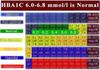
Hba1c 6.4 is it curable? Not rated yet
Quick Answer
An HbA1c of 6.4% is not normal. In a nonpregnant adult, it is at the upper end of the prediabetes range of 5.7–6.4%, just below …
Why my fasting result is 108 mg/dl, and after breakfast 217 mg/dl? Is it high or acceptable? Not rated yet
QUESTION: My fasting glucose is 108 mg/dL and my blood sugar after breakfast is 217 mg/dL. Are these readings high or acceptable? I have already …
Is fasting sugar level 105 and after food 130 - 145 ok? Not rated yet
QUESTION: I was diagnosed with type 2 diabetes six months ago and took Glucophage 500 mg for one month. My doctor then stopped the medicine, …
Diabetic since 2 years wit hb a1c 5.2%, fasting sugar 144 mg/dl, but urinating 10 times a day. Why? Not rated yet
Quick Answer
An HbA1c of 5.2% does not match a fasting glucose of 144 mg/dL. If 144 was a properly performed laboratory fasting test, it is …
Why my blood sugar levels reading early morning is higher (11 mmol/L) than before bed? Not rated yet
Question:
I noticed I have diabetes since March 2011, and now I am trying my best to control it by dieting. My non-fasting blood sugar is between …
High HBA1c (6.5 to 7) and normal fasting (100) and PP levels (100 to 125) while taking Galvus tablet Not rated yet
QUESTION:
Dear Doctor, I am a 39-year-old diabetic patient taking Galvus tablets in the morning and evening. My fasting result is always …
Normal blood sugar levels 88, 81, 90 and A1C=6 Not rated yet
QUESTION: My fasting glucose results were 88 mg/dL in May, 81 in August, and 90 in October, but my HbA1c is 6.0%. Why are my fasting readings …
regarding pp blood sugar test Not rated yet
Quick Answer
Yes. For a routine two-hour postprandial blood sugar test, your mother would usually eat her normal meal, take her diabetes medicine …

What is blood glucose level supposed to be at 52 years? Not rated yet
Quick Answer
At age 52, the laboratory ranges used to identify normal glucose, prediabetes, and diabetes are the same as for other nonpregnant …
Diabetic fasting sugar high 130 - 140; post-lunch = 140 - 148 normal. Why? Not rated yet
.bd-tight p{margin:0 0 6px!important;}
.bd-tight h2{margin:14px 0 5px!important;line-height:1.2;}
.bd-tight h3{margin:10px 0 4px!important;line-height:1.25;} …
TSH level is 0.10 and in that day my glucose is 112 Not rated yet
QUESTION: I have Hashimoto’s disease and my thyroid levels have fluctuated for two years. My TSH was 0.10, and my glucose was 112 mg/dL on the …
Why is my blood sugar still over 300 while taking Lantus insulin? Not rated yet
.c2{font:18px/1.48 Arial,sans-serif;color:#24323d;max-width:920px;margin:10px auto;text-align:justify}.c2 h2,.c2 h3{color:#14536b;text-align:left;margin:20px …
Blood Glucose Level To Go To Hospital? Not rated yet
QUESTION: At what blood glucose level should someone go to the hospital? Please explain what happens during severe hyperglycemia and hypoglycemia …
Reg. Fasting Sugar Level Not rated yet
.bd-tight p{margin:0 0 6px!important;}
.bd-tight h2{margin:14px 0 5px!important;line-height:1.2;}
.bd-tight h3{margin:10px 0 4px!important;line-height:1.25;} …
Am I Diabetic? - fasting sugar 122, PP level of 103 after eating rice and orange juice Not rated yet
.bd-tight p{margin:0 0 6px!important;}.bd-tight h2{margin:14px 0 5px!important;line-height:1.2;}.bd-tight h3{margin:10px 0 4px!important;line-height:1.25;}.bd-tight …
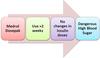
Can take a Medrol dosepak increase blood glucose to a dangerous level? Not rated yet
Question:
Can taking a Medrol Dosepak increase blood glucose to a dangerous level?
Quick Answer
Yes. A Medrol Dosepak contains …
Blood glucose level of 40mg/dl, what method of treatment is suggested? Not rated yet
Question: Blood glucose level of 40 mg/dL—what method of treatment is suggested?
Quick Answer
A blood glucose level of 40 mg/dL, …
Measuring Fasting Blood Glucose Level of 126 - Is that high? Not rated yet
Question from Sunil:
I am 62 years old and have high blood pressure controlled by tablets. I check my blood sugar from time to time and it …
What should the blood glucose level be of a 180 lbs. woman? Not rated yet
Quick Answer
A woman who weighs 180 pounds does not need a different “normal” blood sugar range because of her weight. For a nonpregnant adult, …
What raises blood glucose level and causes insulin response? Not rated yet
Question: What raises blood glucose, and what causes the pancreas to release insulin?
Quick Answer
Blood glucose rises mainly …
my mother is 80 and and suffers high sugar levels plus asthma, what should she eat and what to avoid Not rated yet
QUESTION: My mother is 80 and has high blood sugar as well as asthma. What should she eat, what should she avoid, and could her asthma medicine …
Fasting Sugar of 70 from last three years Not rated yet
Question from Patricia
QUESTION: Hello, my blood sugar reads normal at night, but the longer I fast, the higher it reads in the morning. Do my gallstones …
FASTING BLOOD SUGAR 98 & 142 THE 2ND HOUR Not rated yet
Quick Answer
If you are not pregnant and this was a correctly performed 75-gram oral glucose tolerance test, fasting glucose of 98 mg/dL is …
Diabetes 2 insulin dependent & polymyalgia rheumatica Not rated yet
QUESTION:
From Ireland
I am 60 and have insulin-treated type 2 diabetes, retinopathy, giant cell arteritis and polymyalgia rheumatica. …
What does 98 on a blood sugar level mean? Not rated yet
QUESTION:
By Ram Singh
My blood sugar reading was 98 mg/dL. Yesterday I became unconscious while driving a scooter. Could this have been …
blood glucose level after eating of 212 Not rated yet
QUESTION:
What does a blood glucose level of 212 mg/dL after eating mean? Is that high for diabetes?
Quick Answer
A blood glucose …
107 fasting blood sugar in a 28 yrs old lady with hypothyroidism Not rated yet
QUESTION: I am a thin 28-year-old woman with hypothyroidism. My glucose was reported as 107 mg/dL, but I had tea during the night and again …
Diagonised Diabetics Type II, PPBS 656 ml/dl Not rated yet
.bd-tight p{margin:0 0 6px!important;}.bd-tight h2{margin:14px 0 5px!important;line-height:1.2;}.bd-tight h3{margin:10px 0 4px!important;line-height:1.25;}.bd-tight …
High blood glucose level even after taking insulin Not rated yet
.bd-tight p{margin:0 0 6px!important;}.bd-tight h2{margin:14px 0 5px!important;line-height:1.2;}.bd-tight h3{margin:10px 0 4px!important;line-height:1.25;}.bd-tight …
Fasting Sugar 159, Random 200 & 107 after eating Not rated yet
Questions: Why was Michael’s glucose 159 mg/dL before eating but 107 mg/dL afterward? What should Wendell do about a random glucose of 200 mg/dL? …

Gallstones and high blood sugar after fasting Not rated yet
Question from Patricia
QUESTION: Hello, my blood sugar reads normal at night, but the longer I fast, the higher it reads in the morning. Do my gallstones …
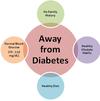
Is a blood sugar level of 92 good? Not rated yet
Quick Answer
Yes. A random blood sugar of 92 mg/dL (about 5.1 mmol/L) is a reassuring result and is not in the diabetes range. However, one …
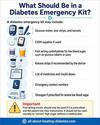
Emergency blood sugar remote monitoring system? Not rated yet
Question from Alaima:
What is the emergency blood sugar remote monitoring system? Is it available only for hospital use, or can one have it …
Diagnosed borderline diabetic Hba1c 6.4 Not rated yet
Quick Answer
An HbA1c of 6.4% is in the prediabetes range and is just below the diabetes threshold of 6.5%. Not gaining weight does not mean …
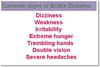
Please HELP my Doc doesnt even "get it" - Brittle Diabetes? Not rated yet
QUESTION: By Misty, Chattanooga, Tennessee I was diagnosed with type 2 diabetes two years ago. Despite several medicines, my glucose may go from …
Low blood sugar in the morning Not rated yet
Quick Answer
Morning glucose does not have to be the highest reading of the day. A reading below 70 mg/dL (3.9 mmol/L) is low and should be …
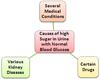
Can one have normal sugar level in blood but high sugar in urine? Not rated yet
Question:
I have done my lab tests and there was high sugar in my urine, but my blood sugar level was normal.
Is it possible to have a normal …
What is the normal blood sugar level after high carb meal? Not rated yet
.bd-tight p{margin:0 0 6px!important;}.bd-tight h2{margin:14px 0 5px!important;line-height:1.2;}.bd-tight h3{margin:10px 0 4px!important;line-height:1.25;}.bd-tight …
How can be affected normal blood sugar level and the healing process during surgery? Not rated yet
.c2{font:18px/1.48 Arial,sans-serif;color:#24323d;max-width:920px;margin:10px auto;text-align:justify}.c2 h2,.c2 h3{color:#14536b;text-align:left;margin:20px …
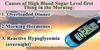
Why is my blood sugar level higher first thing in the morning ? Not rated yet
.bdc{width:100%;max-width:1200px;box-sizing:border-box;margin:auto;font-size:18px;line-height:1.43;text-align:justify}.bdc p{margin:0 0 8px}.bdc h2{margin:15px …
What to do if insulin is high and no diabetes Not rated yet
.c2{font:18px/1.48 Arial,sans-serif;color:#24323d;max-width:920px;margin:10px auto;text-align:justify}.c2 h2,.c2 h3{color:#14536b;text-align:left;margin:20px …

High Morning Blood Sugar Not rated yet
QUESTION: My blood sugar is 112 mg/dL at bedtime but rises to 157 mg/dL by morning. It also seems to rise when I fast. Why does this happen? …