- Home
- Diabetes Information for Patients Types Symptoms Tests and Treatment
- Complete Type 2 Diabetes Information Guide
Type 2 Diabetes Information: Symptoms, Diagnosis, Treatment, and Prevention
Type 2 diabetes develops when the body becomes resistant to insulin and can no longer keep blood sugar within a healthy range. This guide explains the common symptoms, diagnostic tests, treatment options, possible complications, and practical steps that may help prevent or delay the condition.
Written by Dr. Albana Greca, MD, MMedSc, Family Physician
Medically reviewed by Dr. Ruden Cakoni, MD, Endocrinologist
Last reviewed: July 2026
Quick Answer
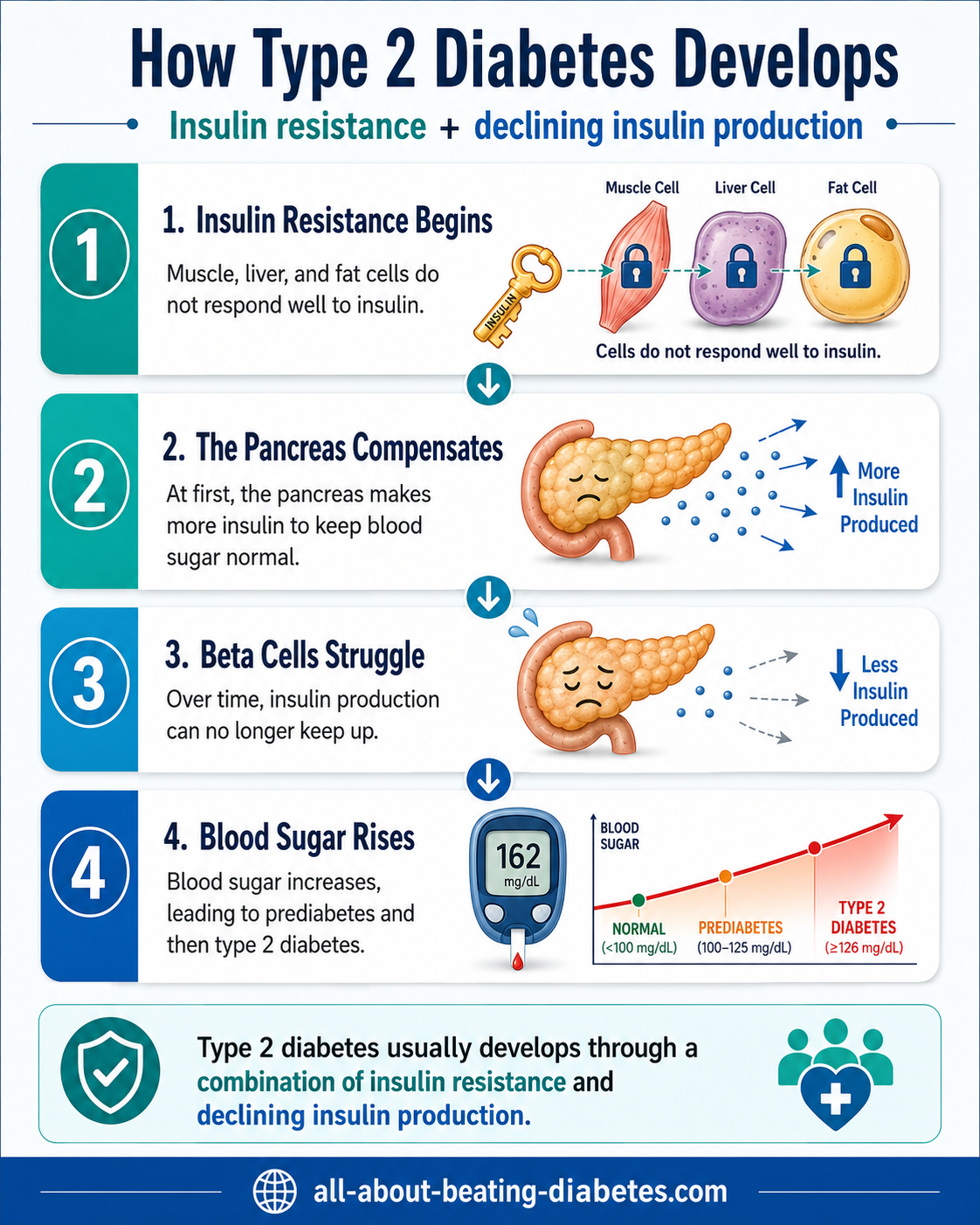
Type 2 diabetes develops when the body becomes resistant to insulin and the pancreas can no longer make enough insulin to keep blood glucose within a healthy range. It can develop slowly, and many people have no obvious symptoms at first.
Diagnosis requires laboratory blood testing—not a home glucose meter alone. Treatment may include healthy eating, physical activity, weight management, diabetes education, glucose monitoring, medicines, and sometimes insulin. Modern treatment is individualized and also aims to protect the heart, kidneys, eyes, nerves, and feet.
Type 2 diabetes is the most common form of diabetes. It is manageable, and early diagnosis gives you more opportunities to improve glucose levels and protect your long-term health. This guide explains what type 2 diabetes is, how it is diagnosed, what causes it, the symptoms to watch for, and how current treatment works.
What Is Type 2 Diabetes?
Blood glucose—also called blood sugar—is an important source of energy. Much of it comes from carbohydrate-containing foods, while the liver can also release or make glucose between meals. The hormone insulin, produced by beta cells in the pancreas, helps glucose move from the bloodstream into many body cells.
In type 2 diabetes, the body does not use insulin effectively, a condition called insulin resistance. At first, the pancreas often compensates by producing more insulin. Over time, beta-cell function may decline, insulin production may become insufficient, and glucose remains too high in the bloodstream.
This corrects two common misunderstandings:
- Type 2 diabetes is not simply caused by eating table sugar.
- The pancreas does not always produce a “normal” amount of insulin throughout the condition. Insulin resistance and progressive loss of insulin-producing capacity can occur together.

Where Does Blood Glucose Come From?
Carbohydrates in foods such as grains, fruit, milk, beans, starchy vegetables, sweets, and sugary drinks are broken down into glucose and other simple sugars during digestion. Protein and fat can also contribute indirectly to energy metabolism, and the liver stores and releases glucose according to the body’s needs.
The old advice that fructose or galactose is automatically safe while glucose should be avoided is incorrect. Fructose, sucrose, lactose, starch, and other digestible carbohydrates can all influence metabolism, blood glucose, calorie intake, or liver fat. What matters is the amount, food quality, portion, meal composition, and individual response—not only the name of the sugar.
Fruit is not the same as a sugary drink. Whole fruit provides fiber, water, vitamins, and minerals and can fit into a diabetes meal plan. For practical food choices, see our guide to diabetes foods and balanced meal planning.
Low-glucose treatment is different: When blood glucose is below 70 mg/dL and the person is awake and able to swallow, fast-acting glucose tablets, glucose gel, measured juice, or regular soda are usually preferred. Chocolate and cakes act more slowly because fat can delay glucose absorption.
Who Is More Likely to Develop Type 2 Diabetes?
Risk increases with a combination of genetic, metabolic, environmental, and social factors. Important risk factors include:
- Prediabetes
- A parent or sibling with type 2 diabetes
- Overweight or obesity, especially excess abdominal fat
- Physical inactivity
- Increasing age, although children and younger adults can also develop it
- Previous gestational diabetes or giving birth to a large baby
- Polycystic ovary syndrome
- High blood pressure or abnormal blood lipids
- Metabolic dysfunction-associated steatotic liver disease
- Sleep apnea
- Long-term use of medicines that raise glucose, such as some glucocorticoids or antipsychotics
Body weight is an important risk factor, but people with a lower body weight can also develop type 2 diabetes. Diabetes should never be treated as a personal failure.
Symptoms of Type 2 Diabetes
Type 2 diabetes may develop over several years, and many people notice no symptoms. When symptoms occur, they may include:
- Frequent urination, especially at night
- Increased thirst or hunger
- Fatigue
- Blurred vision
- Slow-healing cuts or sores
- Frequent urinary, skin, or yeast infections
- Numbness, burning, or tingling in the hands or feet
- Unexplained weight loss
- Sexual or bladder problems
Symptoms alone cannot diagnose diabetes. Some people are diagnosed during routine testing or after an eye, kidney, nerve, heart, or foot problem is discovered. Review our detailed guide to the symptoms of type 2 diabetes.
How Type 2 Diabetes Is Diagnosed
A clinician uses laboratory blood tests. A home glucose meter or continuous glucose monitor can identify patterns but cannot establish the diagnosis by itself.
| Test | Normal | Prediabetes | Diabetes |
|---|---|---|---|
| HbA1c | Below 5.7% | 5.7%–6.4% | 6.5% or higher |
| Fasting plasma glucose | 99 mg/dL or lower | 100–125 mg/dL | 126 mg/dL or higher |
| 2-hour 75-g OGTT | 139 mg/dL or lower | 140–199 mg/dL | 200 mg/dL or higher |
| Random plasma glucose | No diagnostic normal cutoff | Not used | 200 mg/dL or higher with classic symptoms or hyperglycemic crisis |
When symptoms are absent and hyperglycemia is not unequivocal, a second abnormal result is generally required to confirm the diagnosis. HbA1c can be misleading with certain anemias, hemoglobin variants, pregnancy, recent blood loss or transfusion, kidney disease, and other conditions.
These diagnostic thresholds are not the same as everyday treatment targets. See blood tests for diabetes for fasting glucose, HbA1c, oral glucose tolerance testing, and test limitations.
Could It Be Another Type of Diabetes?
Age and body weight do not always identify the diabetes type correctly. Adults can develop autoimmune type 1 diabetes, and some families have monogenic diabetes. Pancreatic disease, endocrine disorders, and certain medicines can also cause secondary diabetes.
Testing for diabetes autoantibodies, C-peptide, or genetic variants may be appropriate when the presentation is atypical—for example, rapid weight loss, ketosis, early insulin requirement, a strong pattern across generations, or glucose that is unexpectedly difficult to control.
How Type 2 Diabetes Is Treated
Modern treatment is patient-centered. Two people with the same HbA1c may need different plans because their heart, kidneys, weight goals, hypoglycemia risk, age, cost, access, and preferences differ.
1. Diabetes education and self-management support
Diabetes self-management education helps people understand food, medicines, monitoring, physical activity, illness, low glucose, and problem-solving. Education should be offered at diagnosis and revisited when treatment or life circumstances change.
2. Healthy eating
There is no single diabetes diet. Effective patterns emphasize minimally processed foods, vegetables, legumes, whole grains, appropriate fruit portions, healthy fats, and sufficient protein. Carbohydrate quality and quantity both matter. Sugary drinks and frequent refined foods are usually best limited.
The diabetes plate method can be a practical starting point: fill half the plate with nonstarchy vegetables, one quarter with protein, and one quarter with carbohydrate foods. Individual needs differ, especially with kidney disease, pregnancy, gastroparesis, food insecurity, or insulin treatment.
3. Physical activity and less sitting
Aerobic activity, resistance exercise, balance work, and breaking up prolonged sitting can improve insulin sensitivity, fitness, blood pressure, and well-being. Build activity gradually and discuss precautions when you have heart disease, neuropathy, foot ulcers, retinopathy, or frequent hypoglycemia.
4. Weight management
For people with overweight or obesity, even modest sustained weight loss can improve glucose, blood pressure, liver fat, mobility, and medication needs. Larger weight loss may lead to type 2 diabetes remission in some people, but weight-loss goals should be safe and individualized.
5. Diabetes medicines
Metformin remains effective, affordable, and commonly used. However, treatment no longer follows a rule that every person must try metformin before another medicine.
An SGLT2 inhibitor or GLP-1 receptor agonist may be recommended because of established or high cardiovascular risk, heart failure, chronic kidney disease, or weight-management needs. These organ-protective considerations may apply independently of the current HbA1c and background metformin use.
Other options include DPP-4 inhibitors, sulfonylureas, thiazolidinediones, insulin, and additional agents. Each class has different effects on glucose, weight, hypoglycemia, heart or kidney outcomes, side effects, cost, and dosing. Our diabetes medication guide compares these considerations.
Insulin may be needed temporarily or long term. It can be appropriate early when glucose is very high, symptoms are severe, weight loss or ketosis is present, or noninsulin treatment does not provide enough control. Needing insulin is not a failure.
6. Glucose monitoring and individualized targets
Monitoring may use laboratory HbA1c, a glucose meter, or continuous glucose monitoring. The frequency depends on treatment, glucose stability, hypoglycemia risk, and whether results will guide decisions.
For many nonpregnant adults, a common HbA1c goal is below 7%. Common capillary-glucose targets are 80–130 mg/dL before meals and below 180 mg/dL one to two hours after the start of a meal. These are general treatment targets, not universal rules. Pregnancy, childhood, older age, frailty, hypoglycemia, and serious illness require different goals.
Use our HbA1c-to-average-glucose calculator to understand how an HbA1c result relates to estimated average glucose.
Why Good Diabetes Care Matters
Persistently high glucose can damage blood vessels and nerves. Type 2 diabetes is associated with:
- Heart attack, stroke, and heart failure
- Chronic kidney disease
- Diabetic retinopathy and vision loss
- Peripheral and autonomic neuropathy
- Foot ulcers, infection, and amputation risk
- Dental and gum disease
- Sexual and bladder problems
- Metabolic dysfunction-associated steatotic liver disease
- Sleep apnea and depression
Diabetes care is therefore not only about lowering one glucose number. Blood pressure, cholesterol, smoking, kidney protection, eye care, foot care, dental care, vaccinations, sleep, and emotional health all matter. Explore our overview of diabetes complications and prevention.
Routine Care Checklist
| Area | What to Review |
|---|---|
| Glucose | HbA1c and glucose patterns at intervals based on control and treatment |
| Heart risk | Blood pressure, cholesterol, smoking, activity, and appropriate medication |
| Kidneys | Estimated GFR and urine albumin-to-creatinine ratio |
| Eyes | Dilated retinal examination according to current findings and clinician advice |
| Feet and nerves | Skin, pulses, sensation, footwear, wounds, pain, and numbness |
| Medicines | Benefits, adverse effects, cost, adherence, kidney dosing, and interactions |
| Whole-person care | Vaccines, dental care, sleep, mental health, nutrition, and social barriers |
Can Type 2 Diabetes Be Prevented or Delayed?
Type 2 diabetes can often be delayed—and sometimes prevented—in people with prediabetes or high risk. Proven prevention strategies include:
- Losing about 5%–7% of body weight when appropriate
- Completing at least 150 minutes per week of moderate activity, such as brisk walking
- Choosing a sustainable eating pattern with fewer sugary drinks and highly processed foods
- Improving sleep and treating sleep apnea when present
- Not smoking
- Using metformin for prevention in selected high-risk people after clinical assessment
Prediabetes usually has no symptoms. Testing is important for adults with risk factors and is generally recommended for adults starting at age 35, with earlier testing when risk is increased. Our type 2 diabetes risk calculator can help you prepare for a discussion with your clinician, but it does not diagnose diabetes.
Can Type 2 Diabetes Go Into Remission?
Some people achieve remission after substantial sustained weight loss through an intensive lifestyle program, weight-management medication, or metabolic surgery. An international consensus defines remission as HbA1c below 6.5% for at least three months without glucose-lowering medication.
Remission is not the same as a permanent cure. Glucose may rise again, and ongoing weight, glucose, kidney, eye, nerve, and cardiovascular monitoring remains necessary.
When to Seek Urgent Help
Seek urgent medical care for very high glucose with vomiting, abdominal pain, deep or rapid breathing, fruity breath, severe dehydration, confusion, inability to keep fluids down, or ketones.
Call emergency services for unconsciousness, seizure, severe breathing difficulty, chest pain, stroke symptoms, or severe hypoglycemia when the person cannot swallow.
Doctor’s Note
Type 2 diabetes should not be managed with fear of medication or promises of a natural cure. Lifestyle treatment is foundational, but medicines are often protective and necessary. The best plan lowers glucose safely while also addressing heart, kidney, weight, and quality-of-life priorities.
Most Asked Questions
Does eating sugar cause type 2 diabetes?
No single food directly causes type 2 diabetes. Frequent sugary drinks and excess calories can contribute to weight gain and metabolic risk, but genetics, insulin resistance, activity, sleep, medicines, and other health factors also matter.
Can a person with type 2 diabetes eat fruit?
Yes. Whole fruit can fit into a balanced diabetes plan. Portion size, total carbohydrate, and individual glucose response matter. Juice raises glucose more quickly and is easier to overconsume.
Do all people with type 2 diabetes need medication?
No, but many do. Some people reach their goals initially with lifestyle treatment, while others need medication at diagnosis. Delaying necessary treatment can increase the risk of complications.
Can thin people develop type 2 diabetes?
Yes. Body weight is only one risk factor. Genetics, age, body-fat distribution, ethnicity, previous gestational diabetes, pancreatic function, and other conditions can contribute.
Is insulin only used in advanced type 2 diabetes?
No. Insulin may be used temporarily during severe illness, pregnancy, hospitalization, or marked hyperglycemia, and it may also be needed long term when the pancreas cannot produce enough insulin.
Can herbs replace diabetes medicine?
No herb or supplement has been proven to safely replace prescribed type 2 diabetes treatment. Products may vary in strength, interact with medicines, lower glucose unpredictably, or harm the liver or kidneys.
Educational safety note: This page provides general education and does not replace diagnosis, emergency care, or an individualized diabetes treatment plan. Do not start, stop, or change diabetes medicine without your healthcare professional.
Related Questions
- I Am Not Sure Whether I Have Diabetes—What Should I Do?
- Which Type 2 Diabetes Medicine Is Suitable for Me?
- Can Type 2 Diabetes Cause Blurry Vision?
- Can Herbs and Foods Control Type 2 Diabetes Naturally?
Related Resources
- Diabetes Answers and Tools Learning Center
- Blood Tests for Diabetes and Prediabetes
- Diabetes Foods and Balanced Meal Planning
- Diabetes Medicines: Benefits and Side Effects
- Diabetes Complications and Prevention
- Online Diabetes Calculators
References
- American Diabetes Association. Diagnosis and Classification of Diabetes: Standards of Care in Diabetes—2026.
- American Diabetes Association. Glycemic Goals, Hypoglycemia, and Hyperglycemic Crises—2026.
- American Diabetes Association. Pharmacologic Approaches to Glycemic Treatment—2026.
- National Institute of Diabetes and Digestive and Kidney Diseases. Type 2 Diabetes.
- National Institute of Diabetes and Digestive and Kidney Diseases. Diabetes Tests and Diagnosis.
- Centers for Disease Control and Prevention. Preventing Type 2 Diabetes.
- International Consensus Report. Definition and Interpretation of Remission in Type 2 Diabetes.
Type 2 diabetes information Questions or Problems? Get Help Here
This is the place where you can ask a question about any aspect of Type 2 diabetes information.
It's free and it's easy to do. Just fill in the form below.
What Other Visitors Have Asked
Click below to see contributions from other visitors to this page...
Type of Diabetes for Fasting Blood Sugar Of 8.6! 
.c2{font-family:Arial,sans-serif;font-size:18px;line-height:1.48;color:#24323d;max-width:920px;margin:10px auto;text-align:justify}.c2 h2,.c2 h3{color:#14536b;text-ali …
BLOOD SUGER FASTING: 197Mgms/100ml.
.c2{font-family:Arial,sans-serif;font-size:18px;line-height:1.48;color:#24323d;max-width:920px;margin:10px auto;text-align:justify}.c2 h2,.c2 h3{color:#14536b;text-ali …
Do you have to take metformin?
Question from oobuc5:
Do you have to take metformin? What happens if you do not take it?
I also find that when my blood sugar goes down …
Suitable Diabetic Medicine for me 
QUESTION: I am 50 and have had type 2 diabetes for about 15 years. Despite diet and exercise, my fasting glucose is around 170 mg/dL and post-meal …
How does furosemide affect blood glucose level? Not rated yet
.bd-tight p{margin:0 0 6px!important;}
.bd-tight h2{margin:14px 0 5px!important;line-height:1.2;}
.bd-tight h3{margin:10px 0 4px!important;line-height:1.25;} …
Diabetes Guidelines from ADA how to understand them. Not rated yet
QUESTION: I have had type 2 diabetes for eight years and use metformin and insulin. I keep hearing about new ADA and EASD guidelines, but I …
Taking Amaryl Galvus HbA1C level ranges between 7 - 8. Should I aim below 7? Not rated yet
Question:
I am a senior citizen aged 68. For the past 30 years, I have had type 2 diabetes. All these years, I have maintained good food habits …
Confused about my Blood Sugar Numbers Not rated yet
QUESTION: My fasting blood sugar is 84 mg/dL. After a light breakfast it is 105 mg/dL, and after an evening meal it is 86 mg/dL. Are these good …
Confused by GTT and Insulin Resistance results Not rated yet
Question from Yolanda, South Africa: My glucose was 5.2 mmol/L before an OGTT and 9.2 mmol/L two hours later. My “insulin resistance” result was …
im not sure if im diabetes. Not rated yet
QUESTION: I recently found that my blood sugar can rise above 300 mg/dL after eating. A doctor said I have diabetes and prescribed Janumet 50/500 …
Should an 83-year-old take metformin for prediabetes Not rated yet
.c2{font:18px/1.48 Arial,sans-serif;color:#24323d;max-width:920px;margin:10px auto;text-align:justify}.c2 h2,.c2 h3{color:#14536b;text-align:left;margin:20px …
What foods can a type 2 diabetic eat with blood sugar 11–15 mmol/L? Not rated yet
.c2{font:18px/1.48 Arial,sans-serif;color:#24323d;max-width:920px;margin:10px auto;text-align:justify}.c2 h2,.c2 h3{color:#14536b;text-align:left;margin:20px …
Blood Sugar Level of 347 one Hour after Eating? Not rated yet
QUESTION: One hour after I ate, my blood sugar was 347 mg/dL. Should I be worried?
Emergency Quick Answer
A glucose reading of …
Lowering Cholesterol Drugs and Blood Sugar Not rated yet
QUESTION:
By Varun
Doctors often prescribe cholesterol medicine to protect the heart when someone has diabetes or high blood sugar. Is …
High Triglycerides,LDL, low HDL in prediabetic causes! Can Simcor increase blood sugar? Not rated yet
Question from Wedison:
I have high triglycerides, high LDL, and low HDL. My doctor diagnosed me as prediabetic.
Could you give me information …
New 2012 ADA/EASD Hyperglycemia Management Guidelines Not rated yet
Question from Dr. Ann Valdez: What were the 2012 ADA/EASD guidelines, and are they still current?
Follow-up: What are DPP-4 inhibitors, …
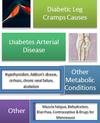
Leg Cramps & Insulin! Not rated yet
QUESTION: I am a 55-year-old woman with type 2 diabetes treated with tablets. I have developed leg cramps. Would changing to insulin help the …
Type 2 Diabetes and Alcohol Not rated yet
QUESTION: Can prolonged alcohol use cause type 2 diabetes? If high blood sugar developed after about 12 years of drinking, will stopping alcohol …
Diabetes Diagnosis on blood sugar 9.2,fasting 4.2! Not rated yet
Questions: Does a premeal glucose of 144 mg/dL followed by 97 mg/dL after eating mean diabetes? Josh also asks whether an initial glucose of 9.2 …
Border line type two diabetes - herbs and foods? Not rated yet
QUESTION: By Kathie, Perth, Western Australia A glucose tolerance test indicated that I was borderline type 2 diabetic. My morning home glucose …
what doctor should I see for diabetes Not rated yet
QUESTION:
I am 38 years old and have diabetes. I currently live in the Middle East and receive medicine from my family doctor. My blood sugar …
Prostate Cancer and High Blood Sugar Not rated yet
QUESTION:
My husband has type 2 diabetes and stage IV metastatic prostate cancer involving lymph nodes and the liver. During the past week, …
Poison ivy & diabetes blood sugar? Not rated yet
QUESTION:
How can poison ivy affect blood sugar in someone with diabetes?
Quick Answer
A mild poison-ivy rash may have little …
What sugar does alcohol put in the blood stream after drinking? Not rated yet
QUESTION: What sugar does alcohol put into the bloodstream after drinking? Does alcohol raise or lower blood glucose in a person with diabetes? …
What to do when you have type 2 diabetes and your leg hurts ? Not rated yet
Quick Answer
Persistent leg pain in a person with type 2 diabetes should be examined. It may result from peripheral artery disease, diabetic …
Being lazy, lethargic, pain and glucose tables and Diabetes Not rated yet
.bd-tight p{margin:0 0 6px!important;}
.bd-tight h2{margin:14px 0 5px!important;line-height:1.2;}
.bd-tight h3{margin:10px 0 4px!important;line-height:1.25;} …
My weight loss in diabetes? - What i do to increase my weight? Not rated yet
.c2{font:18px/1.48 Arial,sans-serif;color:#24323d;max-width:920px;margin:10px auto;text-align:justify}.c2 h2,.c2 h3{color:#14536b;text-align:left;margin:20px …
How to Naturally controlling Type II Diabetes? Not rated yet
QUESTION: By Sanjay Kumar, Dubai I am a 48-year-old Indian man recently diagnosed with type 2 diabetes. My first glucose result was about 279 …
600 mg alpha lipoic acid for my type 2 diabetic husband with neuropathy Not rated yet
Quick Answer
Alpha-lipoic acid (ALA) has been studied for painful diabetic peripheral neuropathy, and 600 mg once daily is a commonly researched …
May weight loss in diabetes occur? - sugar level 105 to 128 Not rated yet
QUESTION: Can diabetes cause weight loss? My blood glucose was 565 mg/dL in April, but it is now around 105–128 mg/dL.
Quick Answer …
Bariatric, Herbal and Allopathic Treatment for Diabetes Not rated yet
Question: Can bariatric surgery really treat type 2 diabetes, and how does it work?
Quick Answer: Yes. Metabolic or bariatric surgery can …
Type 2 diabetes with blurry vision Not rated yet
Question from Mary:
I have type 2 diabetes and I do not take medication for it at this point. Initially, I was fine monitoring my sugar levels. …

Nasonex + blood sugar level interactions Not rated yet
Question:
My relative uses Nasonex during spring. His doctor noticed changes in blood sugar and is concerned about diabetes. How are Nasonex …
Why am I gaining weight while taking Actos and glipizide Not rated yet
.c2{font:18px/1.48 Arial,sans-serif;color:#24323d;max-width:920px;margin:10px auto;text-align:justify}.c2 h2,.c2 h3{color:#14536b;text-align:left;margin:20px …
Moderate to energetic exercise, Diabetes Awareness Day, Home Sugar Monitoring Not rated yet
Three reader contributions: Alba’s exercise schedule, a question about home glucose monitoring after a type 2 diabetes diagnosis, and Alba’s reflections …
40IU or 100IU insuline dose for diabetes type two Not rated yet
QUESTION: I have type 2 diabetes and am new to insulin. In India, I see insulin labelled 40 IU and 100 IU. Which is the better dose, and why? …
Endocrine Hormones,Thyroid and Asthma Problems related to Diabetes Not rated yet
Question from Sue:
My mother has type 2 diabetes and also has thyroid problems.
Can thyroid problems cause type 2 diabetes, or did diabetes …