Secondhand Smoke and Type 2 Diabetes Risk: What the Evidence Shows
Growing evidence suggests that repeated secondhand smoke exposure may increase the risk of type 2 diabetes by contributing to insulin resistance, inflammation, and impaired glucose metabolism.
If you live with diabetes, it is understandable to want a simple answer to the question, “What blood sugar should I aim for?”
For many adults, there are well-established treatment targets. However, I always remind my patients that these are general goals, not one-size-fits-all rules. Your safest target depends on your age, type and duration of diabetes, medicines, risk of hypoglycemia, pregnancy status, kidney or heart disease, and overall health.
The goal is not to keep glucose at one perfect number all day. It is to remain within a safe range as consistently as possible while avoiding prolonged high blood sugar and unnecessary low blood sugar.
Quick Answer: Common Blood Glucose Targets
For many nonpregnant adults with diabetes, commonly used treatment goals are:
- Before meals: 80–130 mg/dL (4.4–7.2 mmol/L)
- Peak after meals: below 180 mg/dL (below 10.0 mmol/L), measured 1–2 hours after the beginning of the meal
- A1C: below 7% (below 53 mmol/mol), when this can be achieved safely
| Measurement | Common target | What it means |
|---|---|---|
| Before meals | 80–130 mg/dL (4.4–7.2 mmol/L) |
A common premeal target for many nonpregnant adults |
| Peak after meals | Below 180 mg/dL (below 10.0 mmol/L) |
Usually assessed 1–2 hours after the beginning of the meal |
| A1C | Below 7% (below 53 mmol/mol) |
A common longer-term goal when it can be reached safely |
What Does “Acceptable Blood Glucose” Mean?
An acceptable blood glucose level is not necessarily the same as a “normal” glucose level in someone without diabetes.
When we set a diabetes target, we balance two priorities: keeping glucose low enough to reduce the risk of long-term complications while avoiding hypoglycemia and treatment that is too aggressive for the individual patient.
A single blood glucose reading does not provide a complete picture of diabetes control. In clinical practice, I consider the broader pattern, including fasting and premeal glucose levels, post-meal readings when appropriate, A1C, episodes of hypoglycemia, symptoms, current medications, and, when available, continuous glucose monitoring (CGM) data. These measures should also be interpreted in the context of established blood glucose and A1C ranges for normal glucose, prediabetes, and diabetes.
Acceptable Blood Glucose Before Meals
For many nonpregnant adults with diabetes, a common target before meals is 80–130 mg/dL (4.4–7.2 mmol/L).
This gives us useful information about your baseline glucose before food begins to raise it. If most of your premeal readings are within your agreed target, that is encouraging, but they should still be interpreted together with your post-meal pattern, A1C, low-glucose episodes and overall treatment plan.
A reading of 80 mg/dL is not hypoglycemia. It is near the lower end of the usual premeal target. Hypoglycemia is generally defined as glucose below 70 mg/dL.
If fasting or premeal readings are repeatedly above your personal target, possible contributors include overnight glucose production, meal or medication timing, illness, poor sleep, stress and changes in physical activity. A pattern over several days is more informative than one isolated morning reading.
If morning glucose is your main concern, see our guide to fasting blood sugar levels.
Acceptable Blood Glucose After Meals
For many adults with diabetes, a common target is a peak post-meal glucose below 180 mg/dL (10.0 mmol/L).
When post-meal glucose is being assessed, it is generally measured 1–2 hours after the beginning of the meal. The timing matters because this period is intended to capture glucose near its post-meal peak.
One reading slightly above 180 mg/dL does not necessarily mean your treatment is failing. A larger meal, more carbohydrate than usual, illness, stress, poor sleep or reduced activity can all affect the result. More important questions are whether higher readings occur frequently, remain elevated for a long time, or appear alongside an A1C or CGM pattern showing excessive glucose exposure.
Because blood glucose changes throughout the day, the timing of a measurement matters, particularly when interpreting blood sugar levels after eating.
How Does A1C Fit With Daily Blood Sugar Targets?
Daily readings show what your blood sugar is doing at a particular moment. A1C provides a broader view of glucose exposure over the previous two to three months, with more recent weeks contributing more to the result.
For many nonpregnant adults with diabetes, a common A1C goal is below 7% (53 mmol/mol) when it can be achieved safely. Some people may benefit from a lower goal. Others need a less stringent goal because hypoglycemia, frailty, serious comorbidities, cognitive or functional limitations, or treatment burden makes tighter control less safe.
I would not interpret A1C in isolation. Two people can have the same A1C while experiencing very different patterns of highs and lows.
Learn more in A1C vs Blood Sugar, or use our HbA1c to Average Glucose Calculator.
What If I Use a Continuous Glucose Monitor?
A continuous glucose monitor, or CGM, helps us look beyond individual fingerstick readings. It shows how much time glucose spends within, above and below the target range.
| CGM metric | Common goal for many adults |
|---|---|
| Time in range: 70–180 mg/dL | More than 70% of the time |
| Time below 70 mg/dL | Less than 4% of the time |
| Time below 54 mg/dL | Less than 1% of the time |
| Time above 180 mg/dL | Less than 25% of the time |
CGM goals also need to be individualized. Some older adults with complex health problems, for example, may need more permissive goals to reduce the risk of hypoglycemia.
What About Bedtime Blood Sugar?
There is no single bedtime glucose target appropriate for every adult with diabetes. Bedtime goals depend on insulin use, risk of overnight hypoglycemia, age, other medical conditions, recent exercise, meal timing and the treatment plan you follow.
If you use insulin or medicines that can cause hypoglycemia, your clinician may give you a specific bedtime target. Follow that individualized plan rather than relying on a universal bedtime number from the internet.
What Is Considered Low Blood Sugar?
For people with diabetes, glucose below 70 mg/dL (3.9 mmol/L) is considered hypoglycemia and should be taken seriously. A level below 54 mg/dL (3.0 mmol/L) is more clinically significant.
Symptoms may include shakiness, sweating, hunger, palpitations, dizziness, weakness, irritability, confusion or difficulty concentrating. If you have a hypoglycemia treatment plan, follow it promptly. Frequent low readings require medical review because medication dose, meal timing or activity may need adjustment.
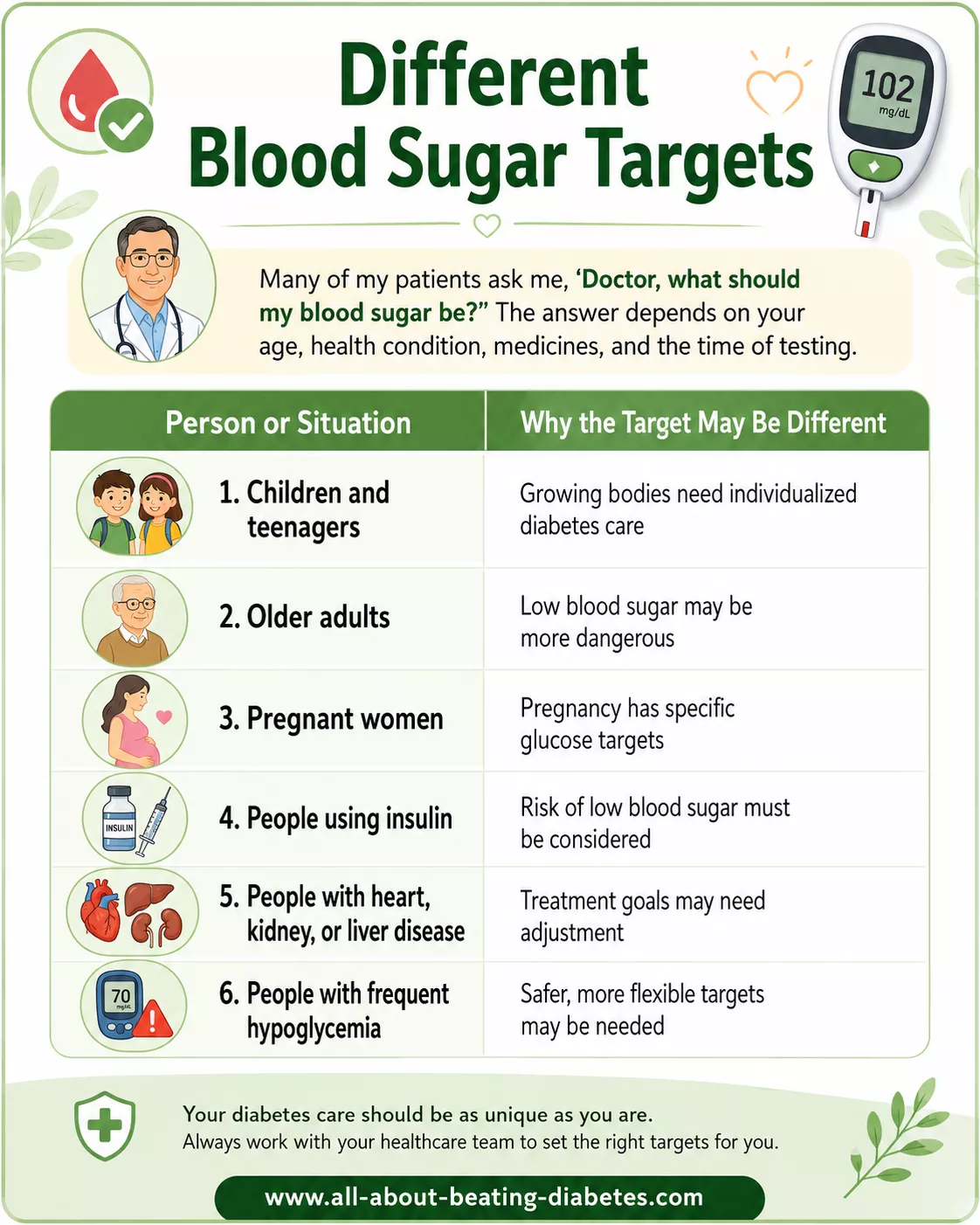
Why Your Personal Target May Be Different
I would not give exactly the same glucose goal to every patient. Your targets may need to be individualized if you:
- are pregnant or planning pregnancy;
- are a child or adolescent;
- are an older adult;
- have frequent or severe hypoglycemia;
- have impaired awareness of low blood sugar;
- have significant kidney, heart, liver or other medical disease;
- have cognitive or functional limitations;
- have lived with diabetes for many years; or
- use insulin or medicines that increase hypoglycemia risk.
An older adult who is otherwise healthy may still have relatively tight glucose goals. Someone with frailty, several serious illnesses or recurrent hypoglycemia may need more relaxed targets because preventing low blood sugar becomes the greater priority.
What Can Affect Your Blood Glucose Readings?
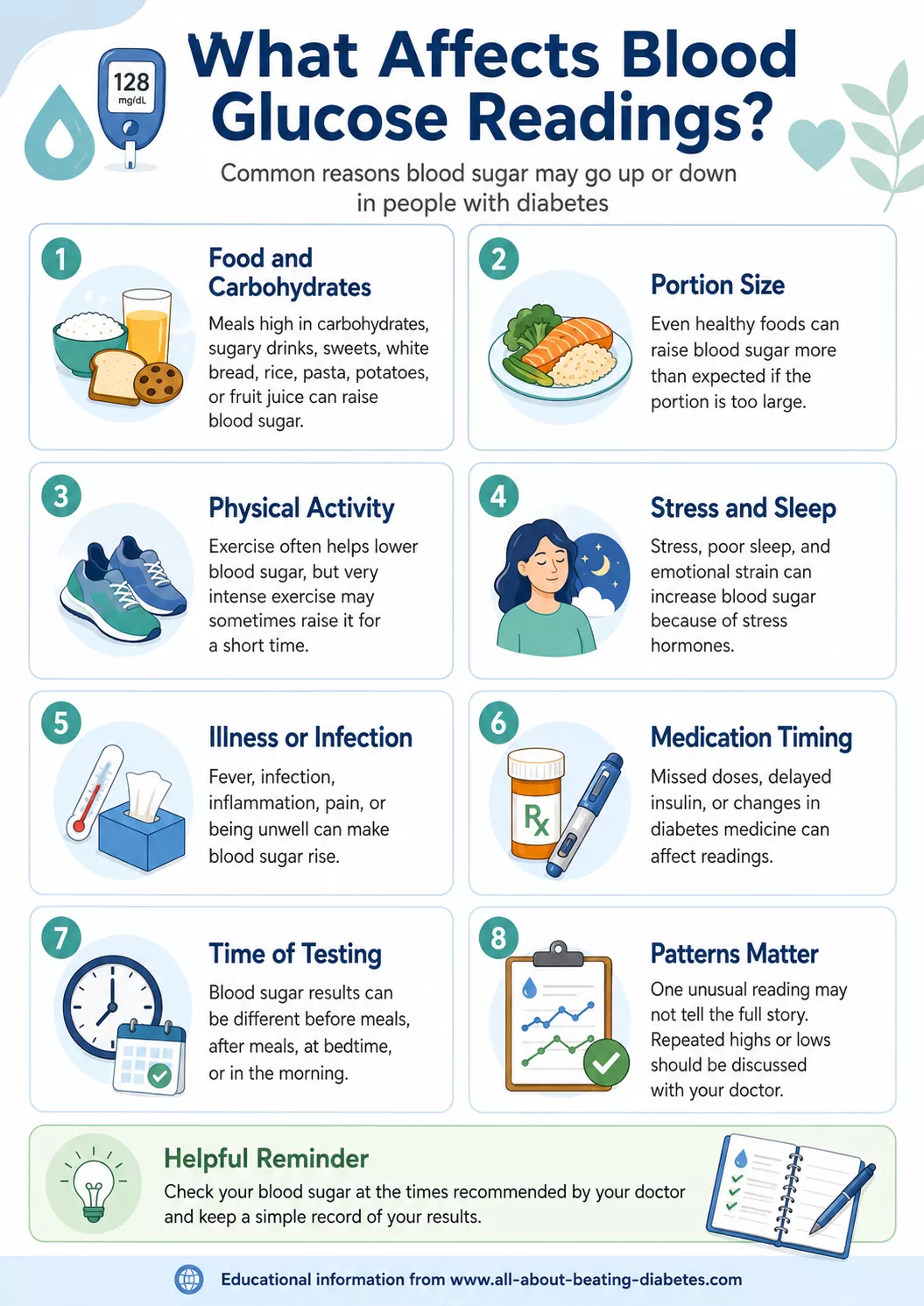
Even when your treatment plan has not changed, glucose can vary from day to day. Common influences include:
- meal size and carbohydrate content;
- physical activity;
- stress and sleep;
- infection, illness or pain;
- dehydration or alcohol;
- hormonal changes;
- medication timing;
- missed insulin or diabetes medicine; and
- corticosteroids and some other medicines.
This is why I encourage patients to look for patterns rather than reacting strongly to one unusual result.
How to Keep Blood Glucose Closer to Your Target
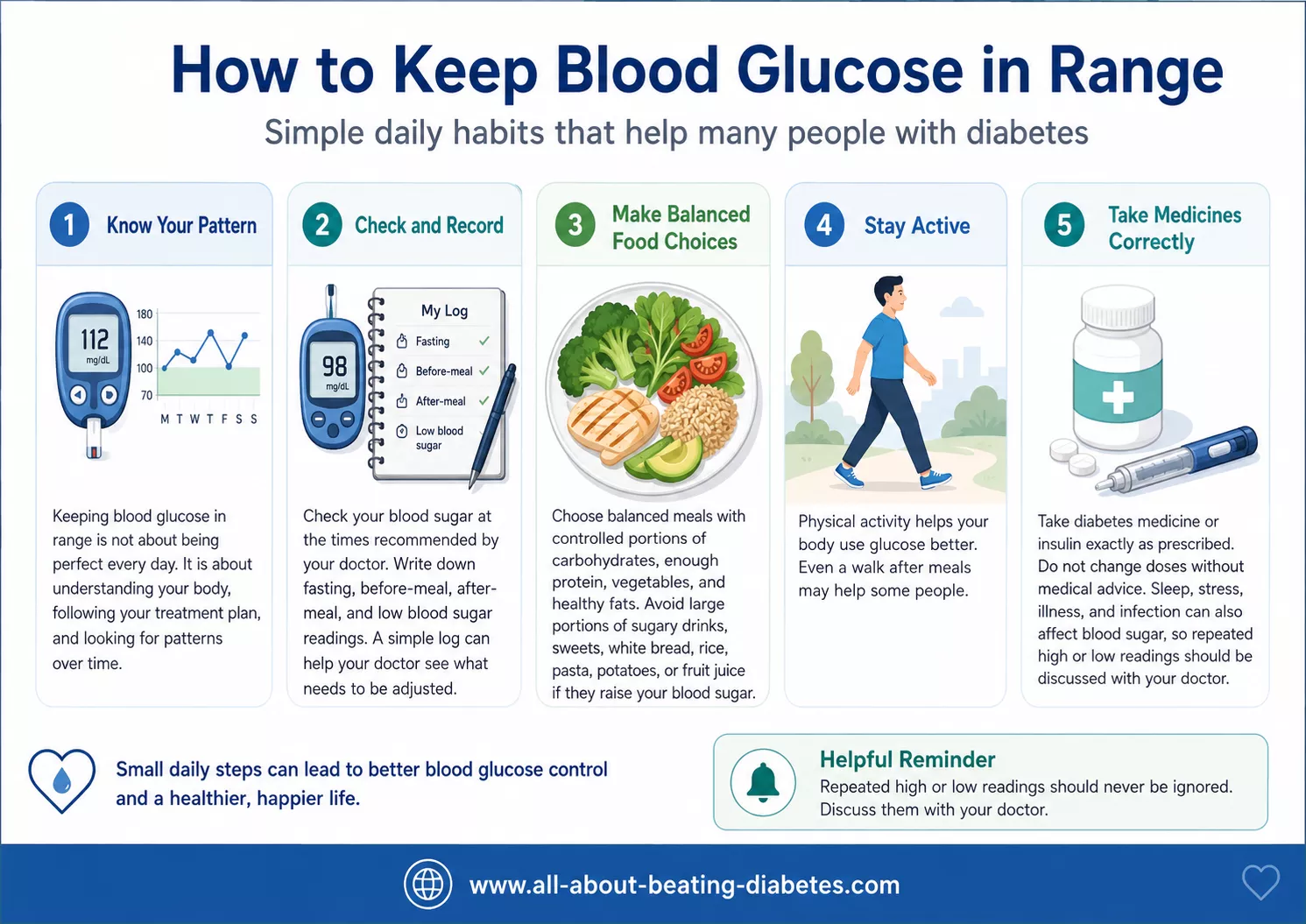
Keeping glucose in range does not require perfect numbers every day. The practical goal is to make the overall pattern safer and more consistent. Depending on your treatment plan, helpful steps may include:
- taking insulin or diabetes medicine exactly as prescribed;
- checking glucose at the times recommended by your healthcare team;
- keeping carbohydrate portions reasonably consistent when this is part of your plan;
- choosing meals with vegetables, protein, fiber and appropriate carbohydrate portions;
- being physically active regularly;
- reviewing repeated highs or lows instead of changing medication on your own;
- paying attention to sleep, illness, stress and hydration; and
- bringing your glucose log or CGM report to medical appointments.
Do not change insulin or medication doses because of one unusual result unless your healthcare professional has given you a specific adjustment plan.
Dr. Albana’s Perspective
When a patient asks whether a blood sugar number is “acceptable,” I first ask when it was measured and what target we agreed on for that person.
A premeal glucose of 125 mg/dL may be within the usual target for many adults with diabetes. The same number means something different if we are discussing a fasting laboratory test used to screen a person who has not been diagnosed with diabetes.
I also do not judge diabetes control from one good reading or one bad reading. I want to know whether most values are reasonably close to target, whether there are repeated highs, whether low glucose is occurring, and whether the A1C or CGM report tells the same story.
The best target is not the lowest number you can achieve. It is the range that offers meaningful long-term protection while remaining safe and realistic for your health and treatment.
When Should You Contact Your Doctor?
Contact your healthcare team if:
- glucose is repeatedly above your agreed target;
- you have repeated readings below 70 mg/dL;
- you experience nighttime hypoglycemia;
- your A1C is rising despite apparently reasonable daily readings;
- your CGM shows frequent highs or lows;
- you are ill and glucose becomes difficult to control;
- you are unsure whether medication or insulin needs adjustment; or
- your target may no longer be appropriate because of pregnancy, aging or a new medical condition.
Related Questions
Is 130 mg/dL acceptable for someone with diabetes?
It depends on when it was measured. For many nonpregnant adults, 130 mg/dL is at the upper end of the common premeal target. After a meal, it may also be within an acceptable range, but your individual target may differ.
Is 180 mg/dL after eating acceptable?
For many adults with diabetes, the common goal is a peak post-meal glucose below 180 mg/dL, assessed 1–2 hours after the beginning of the meal. Frequent readings at or above this level should be reviewed as a pattern.
Is 70 mg/dL acceptable?
Seventy mg/dL is the threshold at which we become concerned about hypoglycemia. A reading below 70 mg/dL should be treated according to your diabetes plan, and repeated lows should be discussed with your healthcare team.
Should everyone with diabetes have the same glucose target?
No. Age, pregnancy, medications, hypoglycemia risk, kidney or heart disease, functional status and other health conditions can all affect the safest goal.
What should my blood sugar be at bedtime?
There is no universal bedtime target for every adult with diabetes. Your bedtime goal should reflect your treatment plan, especially if you use insulin or are at risk of overnight hypoglycemia.
Is A1C below 7% right for everyone?
No. Below 7% is a common goal for many nonpregnant adults, but some people may benefit from a lower goal and others need a less stringent one for safety.
Related Tools and Calculators
Related Resources
Final Key Message
For many nonpregnant adults with diabetes, common treatment goals are 80–130 mg/dL before meals, below 180 mg/dL at the peak after meals, and A1C below 7% when these goals can be achieved safely.
If you use CGM, spending more than 70% of the time between 70 and 180 mg/dL is a common goal for many adults, while time below 70 mg/dL should remain limited.
Most importantly, your target should fit you. A safe plan balances glucose control with your risk of hypoglycemia, medications, age, other medical conditions and daily life. I would rather see a patient follow a realistic, individualized target safely and consistently than chase a “perfect” number that creates unnecessary risk.
References
- American Diabetes Association Professional Practice Committee. Glycemic Goals, Hypoglycemia, and Hyperglycemic Crises: Standards of Care in Diabetes—2026. Diabetes Care. 2026;49(Suppl. 1).
- American Diabetes Association Professional Practice Committee. Older Adults: Standards of Care in Diabetes—2026. Diabetes Care. 2026;49(Suppl. 1).
- American Diabetes Association. Checking Your Blood Sugar.
- National Institute of Diabetes and Digestive and Kidney Diseases. Managing Diabetes. National Institutes of Health.
Medical disclaimer: This information is for general education and does not replace professional medical advice, diagnosis or treatment. Follow the glucose targets and treatment plan recommended by your healthcare professional. Do not change insulin or diabetes medication doses without appropriate medical guidance.
Written by: Dr. Albana Greca, MD, MMedSc, Family Physician and Medical Author.
Medically reviewed by: Dr. Ruden Cakoni, MD, Endocrinologist.
Last reviewed: July 2026.
Quick Answer
Secondhand smoke exposure is associated with an increased risk of developing type 2 diabetes, particularly when exposure is repeated or prolonged. Research suggests that tobacco smoke may contribute to inflammation, oxidative stress, insulin resistance, and impaired glucose regulation.
Although the evidence does not prove that secondhand smoke directly causes diabetes in every exposed person, avoiding exposure remains an important preventive measure because there is no safe level of secondhand smoke for overall health. The most effective protection is a completely smoke-free home, car, workplace, and indoor public environment.
Secondhand smoke is a well-established cause of cardiovascular disease, respiratory illness, and several cancers. Current research also suggests that repeated or prolonged exposure may contribute to inflammation, oxidative stress, insulin resistance, impaired glucose regulation, and a higher long-term risk of type 2 diabetes.
The available evidence supports an association between secondhand smoke exposure and type 2 diabetes risk, but it does not prove direct causation in every individual. Research examining a possible relationship with overweight or obesity remains less consistent, so these findings should be interpreted cautiously.
What Is Secondhand Smoke?
Secondhand smoke is the mixture of smoke released from a burning tobacco product and smoke breathed out by a person who is smoking. Sources include cigarettes, cigars, pipes, hookahs, and other combustible tobacco products.
People may be exposed at home, in cars, at work, in restaurants or entertainment venues, in shared building spaces, or when smoke travels between apartments.
Tobacco smoke contains more than 7,000 chemicals. Hundreds are toxic, and approximately 70 are known to cause cancer. A person who does not smoke can still inhale nicotine, fine particles, carbon monoxide, and many of the same toxic substances inhaled by the smoker.
Does Secondhand Smoke Increase Type 2 Diabetes Risk?
Current evidence supports an association between secondhand smoke exposure and a higher risk of developing type 2 diabetes. Prospective cohort studies and pooled research analyses consistently indicate that nonsmokers exposed to tobacco smoke have a modestly increased risk compared with nonsmokers who are not exposed.
A 2023 meta-analysis of 10 prospective cohort studies involving 251,620 participants estimated a 27% higher relative risk of type 2 diabetes among people exposed to secondhand smoke. A broader 2026 umbrella review reached a similar conclusion, reporting an approximately 28% higher relative risk across the available evidence. These figures describe relative risk and do not mean that 27 or 28 additional people out of every 100 exposed individuals will develop diabetes.
The findings appear most relevant to repeated or prolonged exposure, and some evidence suggests that diabetes risk may increase as exposure duration rises. However, the research remains observational and differs in how exposure is measured, including self-reported exposure and nicotine biomarkers.
A conservative 2024 evidence assessment also found a harmful association but rated the certainty as limited after accounting for differences among studies. The most accurate conclusion is therefore that repeated secondhand smoke exposure is associated with an increased risk of type 2 diabetes, but it has not been proven to directly cause diabetes in every exposed person.
Association Is Not the Same as Proof of Causation
These studies followed people over time, which is stronger than a one-time survey. However, they were observational. Researchers cannot completely eliminate differences in diet, physical activity, income, occupation, home environment, family smoking patterns, or other factors. The results support prevention and smoke avoidance, but they do not prove that secondhand smoke was the sole cause of diabetes in each participant.

Does Passive Smoking Cause Overweight or Obesity?
Current evidence is insufficient to conclude that passive smoking directly causes overweight or obesity.
Some observational studies have reported associations between secondhand smoke exposure and higher body weight, abdominal fat, insulin resistance, or metabolic syndrome. However, these findings are not consistent across studies, and several analyses have not identified a clear independent relationship.
The results may also be influenced by other factors, including diet, physical activity, household smoking patterns, socioeconomic conditions, and exposure during pregnancy or childhood. Passive smoking should therefore be considered a possible contributor to metabolic risk rather than an established direct cause of overweight or obesity.
It is therefore more accurate to say:
Secondhand smoke may contribute to an unhealthy metabolic environment and is associated with type 2 diabetes risk, but it has not been conclusively shown to directly cause overweight or obesity.
Type 2 diabetes can develop in people at any body size. Excess abdominal fat is an important risk factor, but it is not required for diagnosis. Genetics, age, muscle insulin sensitivity, liver fat, sleep, medicines, pregnancy history, physical activity, and pancreatic beta-cell function also matter.
How Might Secondhand Smoke Affect Glucose Metabolism?
Researchers have proposed several biological pathways. These are plausible mechanisms, not proof that every exposed person will develop diabetes.
Inflammation and Oxidative Stress
Tobacco smoke can trigger systemic inflammation and oxidative stress. These processes may interfere with insulin signaling and contribute to blood vessel damage.
Insulin Resistance
Nicotine and other tobacco-smoke chemicals may make muscle, liver, and fat cells respond less effectively to insulin. When insulin sensitivity falls, the pancreas must produce more insulin to maintain normal glucose.
Stress-Hormone Effects
Nicotine can stimulate the sympathetic nervous system and stress hormones. These effects may temporarily influence glucose production, heart rate, blood pressure, and insulin action.
Vascular and Endothelial Damage
Secondhand smoke can damage the lining of blood vessels and alter platelet function. These effects are particularly important because diabetes itself increases cardiovascular risk.
Pancreatic Effects
Laboratory and animal research has investigated possible toxic effects on pancreatic cells. These findings are biologically relevant but should not be presented as direct proof of pancreatic damage from ordinary secondhand exposure in every human.
What Is Cotinine?
Cotinine is a major metabolite produced when the body breaks down nicotine. It can be measured in blood, urine, or saliva and is widely used as a biomarker of recent nicotine or tobacco-smoke exposure.
Cotinine helps researchers estimate whether a person who reports not smoking has been exposed to tobacco smoke. It is more accurate to describe cotinine as an exposure marker than as the substance responsible for all the health damage caused by smoke.
Cotinine results may also reflect nicotine replacement therapy, vaping, or another nicotine source. Interpretation should therefore consider all nicotine exposure, not cigarettes alone.
Is Brief Exposure to Secondhand Smoke Dangerous?
Public health authorities, including the CDC and WHO, state that there is no safe level of exposure to secondhand tobacco smoke. Even short-term exposure can cause immediate effects on the cardiovascular and respiratory systems, including changes in blood-vessel function, heart rate, and airway irritation.
However, research examining type 2 diabetes risk generally involves repeated or prolonged exposure in homes, workplaces, vehicles, or other shared environments. A single accidental exposure does not mean that a person will develop diabetes or suddenly become high risk.
Practical Guidance
- Avoid secondhand smoke whenever reasonably possible.
- Do not panic after one brief or accidental exposure.
- Take repeated or ongoing exposure seriously and work to eliminate it.
- Seek medical advice based on symptoms, existing health conditions, and your overall diabetes risk rather than fear from a single incident.
Why Secondhand Smoke Matters Even More With Diabetes
Diabetes already increases the risk of heart disease, stroke, kidney disease, circulation problems, eye disease, neuropathy, and poor wound healing. Secondhand smoke adds established cardiovascular and respiratory harm.
Among adults who do not smoke, secondhand smoke can cause coronary heart disease, stroke, and lung cancer. CDC estimates that exposure raises coronary heart disease risk by approximately 25–30% and stroke risk by approximately 20–30%.
For someone with diabetes, avoiding tobacco smoke is therefore important even apart from its possible effect on blood glucose or future diabetes risk.
How to Protect Your Home and Family?
Protecting your family from secondhand smoke requires more than opening windows or using ventilation. The most effective approach is to keep homes, vehicles, workplaces, and shared indoor spaces completely smoke-free while offering respectful support to anyone who wants to quit.


Protecting your family from secondhand smoke requires more than opening windows or improving ventilation. The most effective approach is to keep homes, vehicles, workplaces, and other shared indoor spaces completely smoke-free while providing respectful, evidence-based support to anyone who wants to stop smoking.
What About Vaping and E-Cigarette Aerosol?
E-cigarette aerosol is not the same as cigarette smoke, but it is not harmless water vapor. It may contain nicotine, ultrafine particles, flavoring chemicals, metals, and other potentially harmful substances.
The long-term relationship between passive vaping exposure and type 2 diabetes is not as well established as the evidence for combustible tobacco. Nevertheless, CDC recommends including e-cigarettes in tobacco-free home, school, workplace, and public-space policies.
If Someone in Your Home Smokes
Nicotine dependence is a medical condition—not a lack of character or concern for the family. Shame and criticism rarely help someone stop.
A practical conversation may include:
- Setting a clear rule that smoking and vaping are not allowed indoors or in vehicles
- Asking the person to smoke outside, away from doors, windows, children, and other people
- Encouraging an appointment with a doctor, pharmacist, or tobacco-cessation service
- Discussing counseling and approved cessation medication when appropriate
- Planning how to handle cravings, stress, and relapse without abandoning the smoke-free rule
ADA’s 2026 Standards recommend routinely asking people with diabetes about tobacco and vaping and providing cessation counseling and pharmacological treatment when indicated.
Quitting Smoking, Weight, and Blood Sugar
Some people gain weight after quitting smoking, and glucose patterns can temporarily change. This concern should not be used as a reason to continue smoking.
The cardiovascular, cancer, respiratory, and overall survival benefits of quitting are substantially greater than the risks associated with modest post-cessation weight gain. People with diabetes may need closer glucose monitoring while quitting because appetite, food intake, activity, stress, nicotine exposure, and medication needs can change.
Do not begin a severe diet at the same time without guidance. A structured plan can address smoking cessation, meal choices, activity, weight concerns, and glucose safely.
Pregnancy, Infants, and Children
Secondhand smoke is particularly dangerous during pregnancy and childhood. It is associated with low birth weight and other pregnancy-related harm. In infants and children, exposure can cause sudden infant death syndrome, respiratory infections, ear infections, asthma attacks, respiratory symptoms, and slowed lung growth.
Children also have little control over their environment. A smoke-free home and car should therefore be treated as a basic safety measure, not a preference.
Should You Be Tested for Diabetes?
Secondhand smoke exposure by itself does not diagnose diabetes. Consider diabetes screening based on your complete risk profile, including:
- Age and family history
- Overweight, obesity, or increased waist measurement
- Previous prediabetes or abnormal glucose
- High blood pressure or abnormal cholesterol
- Polycystic ovary syndrome
- Previous gestational diabetes
- Low physical activity
- Cardiovascular disease
- Long-term steroid use or another glucose-raising medicine
- Persistent thirst, frequent urination, unexplained weight loss, fatigue, or blurred vision
Common tests include fasting plasma glucose, HbA1c, and the oral glucose tolerance test. A home meter can identify a concerning pattern but should not be used alone to diagnose diabetes.
Learn more from our guide to blood tests for diabetes and prediabetes.
When to Seek Medical Care
Secondhand smoke exposure does not usually require emergency treatment by itself. Move to clean air and monitor symptoms.
Seek urgent medical care for:
- Severe breathing difficulty or wheezing
- Chest pressure or chest pain
- Fainting or severe weakness
- Sudden facial drooping, arm weakness, or speech difficulty
- A severe asthma attack
- Confusion or another serious neurological symptom
Important Safety Note
Secondhand smoke avoidance complements diabetes care; it does not replace glucose testing, healthy eating, physical activity, medication, insulin, blood-pressure treatment, cholesterol management, or medical screening.
Call emergency services for severe chest pain, stroke symptoms, loss of consciousness, or serious breathing difficulty. People with heart disease, asthma, pregnancy, or significant lung disease may be especially vulnerable to smoke exposure.
Doctor’s Note
The most useful message is not that every exposure will cause diabetes. It is that repeated secondhand smoke is preventable, is associated with type 2 diabetes risk, and has established heart, stroke, lung, pregnancy, and childhood harms. I advise families to create a clear smoke-free home and car rule while offering respectful, evidence-based help to anyone who wants to quit.
Most Asked Questions
Can passive smoking cause type 2 diabetes?
Prospective studies show an association between secondhand smoke exposure and higher type 2 diabetes risk. Because the evidence is observational, it cannot prove that smoke directly caused every case.
How much does secondhand smoke increase diabetes risk?
A 2023 meta-analysis estimated a 27% higher relative risk among exposed nonsmokers. Your absolute risk depends on age, genetics, weight, activity, pregnancy history, medicines, and other factors.
Does one brief exposure cause diabetes?
No. A single brief encounter does not mean diabetes will develop. Even brief exposure can harm the cardiovascular and respiratory systems, while diabetes studies generally reflect repeated or ongoing exposure.
Can secondhand smoke raise HbA1c?
Some studies have found associations with higher glucose, insulin resistance, or HbA1c, but HbA1c is influenced by many factors. One result should be interpreted with glucose tests and medical history.
Does secondhand smoke cause obesity?
It has not been conclusively shown to directly cause obesity. Some studies report associations with weight or metabolic markers, but the evidence is inconsistent and affected by other factors.
Will smoking near a window protect other people?
No. Open windows, fans, air cleaners, and smoking in another room do not eliminate exposure. Smoking should occur completely outside and away from doors, windows, and other people.
Is thirdhand smoke the same as secondhand smoke?
No. Thirdhand smoke refers to residues left on surfaces, dust, clothing, hair, and furniture after tobacco smoke clears. It is another reason not to smoke indoors, although its long-term diabetes risk is less clearly defined.
Should I check cotinine at home?
Routine cotinine testing is usually unnecessary. It is primarily used in research and selected clinical or occupational situations. The best response to known exposure is to remove the smoke source.
Educational safety note: This article provides general health and diabetes education. It does not replace personal medical advice, diagnosis, tobacco-cessation care, or treatment. Discuss persistent smoke exposure, symptoms, pregnancy, diabetes risk, and quitting medication with a qualified healthcare professional.
Related Questions
- Is Rapid Weight Gain a Sign of Gestational Diabetes?
- Why Is HbA1c 6.6% When Finger-Prick Readings Look Normal?
- Why Isn’t My Blood Sugar Going Down?
- Is Fasting Blood Sugar of 126 mg/dL High?
- Is Fasting Blood Sugar of 122 mg/dL a Sign of Diabetes?
Related Resources
- Smoking and Diabetes: Risks and Reasons to Quit
- Insulin Resistance: Symptoms, Causes, and Testing
- Type 2 Diabetes Risk Calculator
- HbA1c Explained
- Blood Sugar Level Control
- Diabetes Complications and Prevention
- How Lifestyle Affects Blood Sugar
References
- Qin GQ, et al. Effect of Passive Smoking Exposure on Risk of Type 2 Diabetes: A Systematic Review and Meta-analysis of Prospective Cohort Studies. Frontiers in Endocrinology. 2023.
- Pan A, et al. Relation of Active, Passive, and Quitting Smoking With Incident Type 2 Diabetes: A Systematic Review and Meta-analysis. The Lancet Diabetes & Endocrinology. 2015.
- Wang Y, et al. Passive Smoking and Risk of Type 2 Diabetes: A Meta-analysis of Prospective Cohort Studies. PLOS ONE. 2013.
- Centers for Disease Control and Prevention. About Secondhand Smoke.
- Centers for Disease Control and Prevention. Preventing Exposure to Secondhand Smoke in the Home.
- Centers for Disease Control and Prevention. Smokefree Policies Can Protect Everyone.
- Centers for Disease Control and Prevention. Diabetes and Smoking.
- World Health Organization. Tobacco and Nicotine Fact Sheet.
- American Diabetes Association Professional Practice Committee. Facilitating Positive Health Behaviors and Well-being: Standards of Care in Diabetes—2026.
- National Cancer Institute. Secondhand Smoke and Cancer.