- Home
- New Diabetes Medications and Side Effects
- What Is the Right Metformin Dosage for Type 2 Diabetes and PCOS
Metformin Dosage for Type 2 Diabetes, Prediabetes and PCOS
Metformin is one of the most widely used medicines for type 2 diabetes, but there is no single dose that is right for everyone. The correct plan depends on the formulation, kidney function, age, glucose and HbA1c results, other medicines, side effects, and the reason metformin was prescribed.
I want you to understand the usual dosing principles without treating an online schedule as a personal prescription. Immediate-release and extended-release metformin have different instructions, and combination tablets may contain metformin plus another medicine. Always check the exact name and strength on your own label.
Quick Answer
Metformin is usually started at a low dose with food and increased gradually only when needed and tolerated. Common U.S. labels allow different starting and maximum doses for immediate-release and extended-release tablets, so there is no universal “best metformin dosage.”
Do not copy someone else’s schedule or increase the dose yourself. Your prescriber should match the dose to your glucose goals, kidney function, side effects, and whether metformin is being used for type 2 diabetes, selected high-risk prediabetes, or polycystic ovary syndrome (PCOS). Metformin does not replace insulin in type 1 diabetes.
How Does Metformin Lower Blood Sugar?
Metformin is a biguanide medicine. It lowers glucose mainly by reducing unnecessary glucose production by the liver and improving the body’s response to insulin. It does not force the pancreas to release a large amount of insulin, which is why metformin used alone has a low risk of hypoglycemia.
Low blood sugar can still occur when metformin is taken with insulin, a sulfonylurea such as gliclazide or glipizide, or another treatment that can cause hypoglycemia. Missed meals, alcohol, prolonged exercise, or acute illness can increase that risk. Our diabetes medication safety guide explains how the major medication classes differ.
Metformin may begin affecting glucose within days, but the full response and the appropriate maintenance dose take longer to assess. HbA1c reflects approximately the previous two to three months, so no honest clinician can guarantee that a particular dose will lower HbA1c to a specific level within one month. Treatment goals must also be individualized; an HbA1c below 7% is common for many nonpregnant adults, but it is not the correct target for every person.
Usual Metformin Doses: What the Labels Mean
The table below summarizes examples from current U.S. prescribing information. It is educational, not a schedule for you to begin. Labels and available strengths can differ by country, brand, formulation, age, and combination product.
| Formulation | Common labeled starting point | How labeled increases are made | Important limit |
|---|---|---|---|
| Immediate-release tablets for adults | 500 mg twice daily or 850 mg once daily, with meals | Some labels permit increases of 500 mg weekly or 850 mg every two weeks, based on glucose response and tolerability | One common U.S. label lists 2,550 mg/day in divided doses; product and country limits can differ |
| Extended-release tablets for adults | Often 500 mg once daily with the evening meal | Some labels permit 500 mg weekly increases, based on response and tolerability | Many products list 2,000 mg/day, but the exact maximum and schedule are product-specific |
| Immediate-release tablets for children aged 10 years or older | A common U.S. label starts at 500 mg twice daily with meals | Specialist-guided increases may be made gradually | A common U.S. pediatric label lists 2,000 mg/day; extended-release products do not all have the same pediatric approval |
Why start low and increase slowly? Diarrhea, nausea, bloating, cramps, and reduced appetite are often dose-related and most noticeable when treatment begins or the dose rises. A slower increase or an extended-release formulation may improve tolerance, but only your prescriber should make that change.
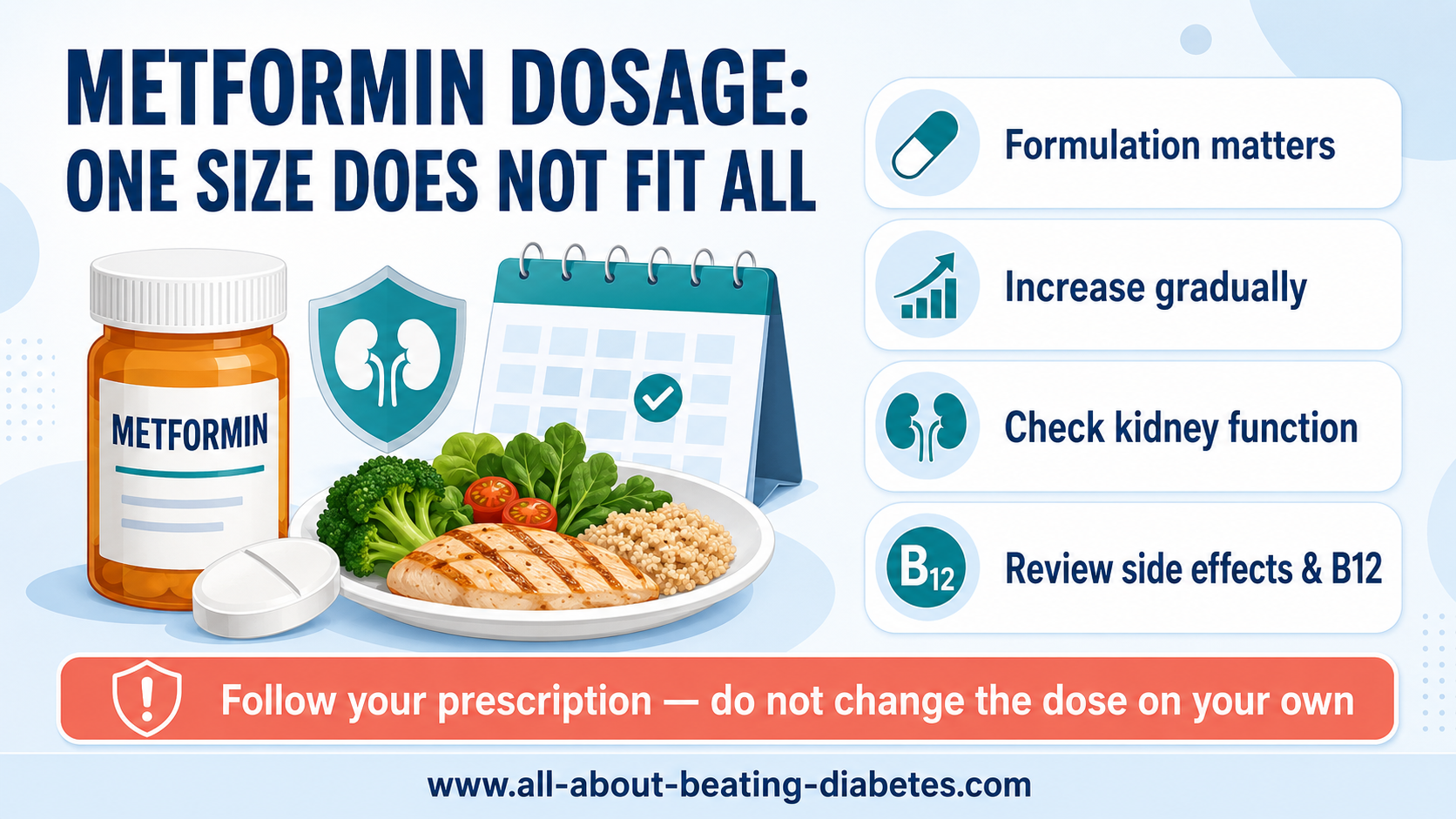

Immediate-release versus extended-release metformin
Immediate-release metformin is commonly taken with meals in divided doses. Extended-release metformin is designed to release the medicine more slowly and is often taken once daily with the evening meal, although the prescribed schedule depends on the exact product. Extended-release tablets usually must be swallowed whole; do not crush, cut, or chew them unless your pharmacist confirms that your specific tablet may be altered.
Some people notice what looks like a tablet shell in the stool after taking an extended-release product. This can be the inactive tablet matrix after the medicine has been released and is not automatically a sign that the dose failed. Ask your pharmacist if you are uncertain.
Is 1,500 mg the minimum effective dose?
No fixed amount is the minimum effective dose for every person. Some patients respond to a lower dose, while others need a higher tolerated dose or another medicine. The safest goal is the lowest effective regimen that supports the individual treatment target without unacceptable effects—not reaching a particular number simply because it appears in a general schedule.
Metformin Dosage for Different Diabetes Types
Type 2 diabetes
Metformin remains an effective and commonly used treatment for type 2 diabetes. However, modern treatment selection is based on more than HbA1c alone. Heart disease, heart failure, chronic kidney disease, weight goals, hypoglycemia risk, pregnancy plans, cost, and personal preferences may make another medicine or combination more suitable.
A dose should be reviewed using glucose patterns, HbA1c, tolerability, kidney function, adherence, and the complete medication list. Needing an additional medicine does not mean that metformin has “failed,” and using medicine does not mean that the patient has failed. Type 2 diabetes changes over time, and treatment often needs to change with it.
Prediabetes
Lifestyle support remains central for prediabetes. The American Diabetes Association advises considering metformin for diabetes prevention in selected high-risk adults, particularly those aged 25–59 years with a BMI of 35 kg/m² or higher, higher fasting glucose or HbA1c, or a history of gestational diabetes. It is not automatically needed for every person with prediabetes, a higher weight, or an elevated fasting-insulin result.
If you are trying to understand whether insulin resistance rather than diabetes is the reason for treatment, read my explanation of metformin and insulin resistance. Diagnosis should be based on appropriate glucose testing and clinical assessment, not on fasting insulin alone.
Type 1 diabetes
Metformin Does Not Replace Insulin
Everyone with type 1 diabetes requires insulin. Stopping or reducing insulin because metformin was added can lead to severe hyperglycemia and diabetic ketoacidosis.
Metformin is not a standard substitute for insulin in type 1 diabetes. In selected adults it has been studied as an off-label add-on. The ADA notes small effects on body weight, insulin dose, and lipid levels in studies, but it did not provide a sustained improvement in HbA1c. Any adjunct use belongs under specialist supervision, with insulin continued as prescribed.
Gestational diabetes and pregnancy
Do not use a general metformin dose table during pregnancy. Metformin crosses the placenta, glucose targets are different during pregnancy, and the balance of benefits and uncertainties must be discussed individually. The ADA recommends insulin as the preferred medication for gestational diabetes in the United States; metformin is not first-line because it crosses the placenta and long-term offspring data remain a consideration.
Metformin may still be used in selected pregnancy situations after informed discussion. If you are pregnant, planning pregnancy, or breastfeeding, ask the prescribing clinician to review the medicine rather than stopping it abruptly. Read more about metformin and pregnancy.
Metformin Dosage for PCOS
PCOS is a hormonal and metabolic condition that may involve irregular ovulation, higher androgen levels, insulin resistance, and an increased long-term risk of type 2 diabetes. Metformin is not a cure for PCOS, and it does not treat every feature equally.
The 2023 International Evidence-based PCOS Guideline supports considering metformin for metabolic outcomes in adults with PCOS and a BMI of 25 kg/m² or higher. It may also be considered in some adults with a lower BMI, although the evidence is more limited. Active lifestyle intervention and metformin can have similar efficacy for some metabolic outcomes, so the decision should reflect goals, preferences, tolerance, and access.
For PCOS, the guideline advises beginning with a low dose and using 500 mg increases every one to two weeks when clinically appropriate. Extended-release preparations may reduce digestive effects. It suggests a maximum of 2.5 g/day in adults and 2 g/day in adolescents, but this does not override the approved maximum of the exact product, local prescribing rules, kidney limits, or the clinician’s judgment. In many countries, metformin use for PCOS is off-label.
PCOS, fertility, and pregnancy plans
The correct treatment depends on the goal. Metformin may be used for metabolic features and sometimes for cycle or fertility management, but letrozole is the guideline-preferred first-line medicine for ovulation induction in women with PCOS who have anovulatory infertility and no other infertility factors. Metformin is not routinely recommended during pregnancy solely to prevent gestational diabetes, late miscarriage, hypertension, preeclampsia, or a large baby in women with PCOS.
If pregnancy is possible, arrange a medication and health review before conception when you can. Do not continue, stop, or change the dose based only on an internet article.
Kidney Function, Contrast Tests, Illness, and Surgery
Metformin is cleared mainly through the kidneys. The concern is not that metformin routinely damages healthy kidneys; it is that the medicine can accumulate when kidney function becomes severely reduced, increasing the risk of rare but serious lactic acidosis.
| eGFR result | General U.S. label guidance |
|---|---|
| 45 mL/min/1.73 m² or higher | Metformin may be appropriate if the full clinical situation supports it. Kidney function still needs periodic review. |
| 30–44 mL/min/1.73 m² | Starting metformin is not recommended. If eGFR falls below 45 while taking it, the prescriber should reassess benefits and risks. |
| Below 30 mL/min/1.73 m² | Metformin is contraindicated under current U.S. labeling and should be discontinued by the treating clinician. |
Kidney function should be checked before starting and at least annually while taking metformin; older adults and people at increased risk of kidney decline may need more frequent testing. A single creatinine number should not be interpreted without the eGFR and the wider clinical picture.
Iodinated contrast imaging
Metformin does not need to be stopped for every scan. Current U.S. labeling advises temporary interruption at or before certain iodinated contrast procedures for people with eGFR 30–60, a history of liver disease, alcoholism or heart failure, or when contrast is given intra-arterially. Kidney function is generally reassessed about 48 hours afterward, and metformin is restarted only if it is stable. Follow the radiology and prescribing team’s instructions.
Vomiting, diarrhea, dehydration, infection, or surgery
Acute illness can change kidney function and medication safety quickly. Persistent vomiting, severe diarrhea, dehydration, sepsis, low oxygen, major surgery, or inability to eat and drink may require metformin to be paused. Ask your diabetes team for written sick-day and procedure instructions instead of improvising. People with type 1 diabetes must continue an individualized basal-insulin plan even when ill.
What Tests Are Needed During Metformin Treatment?
- HbA1c and glucose patterns: These show whether the overall plan is working. HbA1c is commonly checked about every three months when treatment is changing or goals are not met, and less often when control is stable, depending on clinical guidance.
- Kidney function: eGFR should be assessed before treatment and periodically afterward because it affects whether metformin can be started or continued safely.
- Vitamin B12: Long-term metformin can lower B12. Test when anemia, fatigue, a sore tongue, numbness, tingling, balance problems, or new neuropathy suggests deficiency, and consider periodic monitoring when risk factors are present.
- Other health checks: Blood pressure, cholesterol, weight, liver health, urine albumin, eye care, and foot care remain important in diabetes, but they are not simply tests used to push the metformin dose higher.
- Medication review: Combination products, alcohol intake, supplements, changes in eating, and medicines that affect kidney function or glucose should be reviewed to prevent duplication and interactions.
Routine fasting-insulin testing is not a standard method for adjusting metformin in most people. It is usually more useful to follow HbA1c, fasting and after-meal glucose when appropriate, symptoms, kidney function, and treatment goals. You can use our HbA1c-to-average-glucose calculator to understand your result, but do not use a calculator to change medicine.
Side Effects, Timing, and Missed Doses
The most common metformin effects are diarrhea, nausea, abdominal discomfort, bloating, gas, reduced appetite, and a metallic taste. Taking the medicine with food as prescribed, increasing gradually, and discussing extended-release metformin may help. Persistent symptoms deserve review because ongoing diarrhea can cause dehydration and can make metformin less safe if kidney function worsens.
Long-term use can lower vitamin B12, especially with higher doses, longer treatment, older age, limited dietary B12, or conditions and medicines that reduce absorption. A confirmed deficiency can usually be treated; it does not automatically mean metformin must be stopped. See the detailed guide to metformin, vitamin B12, kidney safety, and lactic acidosis or our practical page on managing Glucophage side effects.
If you miss a dose
Follow the instructions supplied with your medicine. In general, take the missed dose when you remember unless it is almost time for the next dose. Do not double the next dose. Because immediate-release, extended-release, and combination products differ, ask a pharmacist if you are unsure.
If the dose feels too strong
Check glucose if you feel shaky, sweaty, confused, unusually hungry, weak, or dizzy, particularly if you also use insulin or a sulfonylurea. Metformin alone rarely causes true hypoglycemia, so weakness should not automatically be blamed on low sugar. Dehydration, anemia, vitamin B12 deficiency, infection, other medicines, high glucose, heart problems, and many other conditions can produce similar symptoms.
Record the dose, timing, meal, glucose value, and symptoms, then contact the prescriber. Do not repeatedly skip tablets, cut extended-release tablets, or alternate doses without a plan.
When to Call the Doctor or Seek Urgent Help
Contact your healthcare professional promptly for severe or persistent diarrhea, repeated vomiting, inability to drink, worsening weakness, new numbness or tingling, symptoms of anemia, repeated low glucose, pregnancy, a major change in kidney function, or a side effect that prevents you from taking treatment.
Urgent Safety Warning
Seek urgent or emergency medical care for severe breathing difficulty, confusion, collapse, unusual extreme sleepiness, persistent vomiting with dehydration, severe weakness, severe abdominal pain, feeling very cold, or a slow or irregular heartbeat. These symptoms can have many causes, including the rare emergency metformin-associated lactic acidosis.
If you may have taken an overdose, contact emergency services or a poison center immediately. Do not wait for symptoms.
Doctor’s Note
When I explain metformin dosage, the most important message is that “more” is not automatically “better.” The right dose is the dose that fits the exact formulation, improves the agreed glucose goal, remains safe for kidney function, and is tolerated.
If you have stomach effects or your readings are not improving, bring the medicine bottle, glucose record, HbA1c result, kidney result, and full medication list to your appointment. That gives your doctor the information needed to adjust the timing, formulation, dose, or wider treatment plan safely.
Metformin Dosage FAQs
1. What is the safest metformin starting dose?
There is no single safest dose for everyone. Many labels begin with a low dose taken with food, but the exact starting point depends on immediate-release versus extended-release metformin, age, kidney function, other medicines, and the reason for treatment. Follow your prescription.
2. How quickly can metformin be increased?
Many labels use increases no more frequently than weekly, while some use longer intervals. Side effects, glucose results, kidney function, and the product label determine the pace. Never increase it because one glucose reading was high.
3. What is the maximum daily dose of metformin?
The maximum is formulation- and product-specific. A common U.S. immediate-release label permits up to 2,550 mg/day, while many extended-release products list 2,000 mg/day. Kidney function or side effects may require a much lower amount, and some products have different limits.
4. Is extended-release metformin better than immediate-release?
Neither is best for everyone. Extended-release metformin may cause fewer digestive effects for some people and may offer simpler dosing. It has the same active medicine and still requires kidney and safety monitoring.
5. Can metformin replace insulin in type 1 diabetes?
No. Insulin is essential in type 1 diabetes. Metformin is occasionally used off-label as an add-on under specialist care, but it cannot prevent diabetic ketoacidosis and must never replace prescribed insulin.
6. What dose of metformin is used for PCOS?
PCOS plans are individualized. The international guideline advises starting low and increasing gradually, often in 500 mg steps every one to two weeks when appropriate. The exact dose must remain within the product label, local rules, kidney limits, and the prescriber’s plan.
7. Does metformin cause low blood sugar?
Metformin alone has a low hypoglycemia risk. The risk increases when it is combined with insulin or a sulfonylurea, or during reduced food intake, heavy exercise, alcohol use, or illness. Confirm symptoms with a glucose check when possible and follow your low-glucose plan.
8. Should metformin be stopped before a scan or surgery?
Sometimes, but not for every procedure. Certain iodinated contrast studies, acute illness, dehydration, kidney changes, fasting, or major surgery may require temporary interruption. Ask the radiology, surgical, and prescribing teams for exact stop-and-restart instructions.
Related Questions from Readers
Related Resources
- Metformin side effects: vitamin B12, kidneys, and lactic acidosis
- How to manage Glucophage side effects safely
- Metformin and insulin resistance explained
- Diabetes medicines: benefits, side effects, metformin, and insulin
- Blood tests for diabetes: fasting glucose, HbA1c, and OGTT
- HbA1c to average glucose calculator
Medical References
- DailyMed: Metformin hydrochloride immediate-release and extended-release prescribing information
- American Diabetes Association: Pharmacologic Approaches to Glycemic Treatment—Standards of Care in Diabetes 2026
- American Diabetes Association: Prevention or Delay of Diabetes and Associated Comorbidities—2026
- American Diabetes Association: Chronic Kidney Disease and Risk Management—2026
- American Diabetes Association: Management of Diabetes in Pregnancy—2026
- 2023 International Evidence-based Guideline for the Assessment and Management of PCOS
- UK MHRA: Metformin and reduced vitamin B12 levels—monitoring advice
Medical disclaimer: Educational only — not personal medical advice. Do not start, stop, or change metformin, insulin, or any other treatment without guidance from your qualified healthcare professional.