- Home
- Diabetes Information for Patients Types Symptoms Tests and Treatment
- How to Reverse Insulin Resistance Naturally and Safely
Reversing Insulin Resistance: Evidence-Based Steps That Work
If you live with diabetes, it is understandable to want a simple answer to the question, “What blood sugar should I aim for?”
For many adults, there are well-established treatment targets. However, I always remind my patients that these are general goals, not one-size-fits-all rules. Your safest target depends on your age, type and duration of diabetes, medicines, risk of hypoglycemia, pregnancy status, kidney or heart disease, and overall health.
The goal is not to keep glucose at one perfect number all day. It is to remain within a safe range as consistently as possible while avoiding prolonged high blood sugar and unnecessary low blood sugar.
Quick Answer: Common Blood Glucose Targets
For many nonpregnant adults with diabetes, commonly used treatment goals are:
- Before meals: 80–130 mg/dL (4.4–7.2 mmol/L)
- Peak after meals: below 180 mg/dL (below 10.0 mmol/L), measured 1–2 hours after the beginning of the meal
- A1C: below 7% (below 53 mmol/mol), when this can be achieved safely
| Measurement | Common target | What it means |
|---|---|---|
| Before meals | 80–130 mg/dL (4.4–7.2 mmol/L) |
A common premeal target for many nonpregnant adults |
| Peak after meals | Below 180 mg/dL (below 10.0 mmol/L) |
Usually assessed 1–2 hours after the beginning of the meal |
| A1C | Below 7% (below 53 mmol/mol) |
A common longer-term goal when it can be reached safely |
What Does “Acceptable Blood Glucose” Mean?
An acceptable blood glucose level is not necessarily the same as a “normal” glucose level in someone without diabetes.
When we set a diabetes target, we balance two priorities: keeping glucose low enough to reduce the risk of long-term complications while avoiding hypoglycemia and treatment that is too aggressive for the individual patient.
A single blood glucose reading does not provide a complete picture of diabetes control. In clinical practice, I consider the broader pattern, including fasting and premeal glucose levels, post-meal readings when appropriate, A1C, episodes of hypoglycemia, symptoms, current medications, and, when available, continuous glucose monitoring (CGM) data. These measures should also be interpreted in the context of established blood glucose and A1C ranges for normal glucose, prediabetes, and diabetes.
Acceptable Blood Glucose Before Meals
For many nonpregnant adults with diabetes, a common target before meals is 80–130 mg/dL (4.4–7.2 mmol/L).
This gives us useful information about your baseline glucose before food begins to raise it. If most of your premeal readings are within your agreed target, that is encouraging, but they should still be interpreted together with your post-meal pattern, A1C, low-glucose episodes and overall treatment plan.
A reading of 80 mg/dL is not hypoglycemia. It is near the lower end of the usual premeal target. Hypoglycemia is generally defined as glucose below 70 mg/dL.
If fasting or premeal readings are repeatedly above your personal target, possible contributors include overnight glucose production, meal or medication timing, illness, poor sleep, stress and changes in physical activity. A pattern over several days is more informative than one isolated morning reading.
If morning glucose is your main concern, see our guide to fasting blood sugar levels.
Acceptable Blood Glucose After Meals
For many adults with diabetes, a common target is a peak post-meal glucose below 180 mg/dL (10.0 mmol/L).
When post-meal glucose is being assessed, it is generally measured 1–2 hours after the beginning of the meal. The timing matters because this period is intended to capture glucose near its post-meal peak.
One reading slightly above 180 mg/dL does not necessarily mean your treatment is failing. A larger meal, more carbohydrate than usual, illness, stress, poor sleep or reduced activity can all affect the result. More important questions are whether higher readings occur frequently, remain elevated for a long time, or appear alongside an A1C or CGM pattern showing excessive glucose exposure.
Because blood glucose changes throughout the day, the timing of a measurement matters, particularly when interpreting blood sugar levels after eating.
How Does A1C Fit With Daily Blood Sugar Targets?
Daily readings show what your blood sugar is doing at a particular moment. A1C provides a broader view of glucose exposure over the previous two to three months, with more recent weeks contributing more to the result.
For many nonpregnant adults with diabetes, a common A1C goal is below 7% (53 mmol/mol) when it can be achieved safely. Some people may benefit from a lower goal. Others need a less stringent goal because hypoglycemia, frailty, serious comorbidities, cognitive or functional limitations, or treatment burden makes tighter control less safe.
I would not interpret A1C in isolation. Two people can have the same A1C while experiencing very different patterns of highs and lows.
Learn more in A1C vs Blood Sugar, or use our HbA1c to Average Glucose Calculator.
What If I Use a Continuous Glucose Monitor?
A continuous glucose monitor, or CGM, helps us look beyond individual fingerstick readings. It shows how much time glucose spends within, above and below the target range.
| CGM metric | Common goal for many adults |
|---|---|
| Time in range: 70–180 mg/dL | More than 70% of the time |
| Time below 70 mg/dL | Less than 4% of the time |
| Time below 54 mg/dL | Less than 1% of the time |
| Time above 180 mg/dL | Less than 25% of the time |
CGM goals also need to be individualized. Some older adults with complex health problems, for example, may need more permissive goals to reduce the risk of hypoglycemia.
What About Bedtime Blood Sugar?
There is no single bedtime glucose target appropriate for every adult with diabetes. Bedtime goals depend on insulin use, risk of overnight hypoglycemia, age, other medical conditions, recent exercise, meal timing and the treatment plan you follow.
If you use insulin or medicines that can cause hypoglycemia, your clinician may give you a specific bedtime target. Follow that individualized plan rather than relying on a universal bedtime number from the internet.
What Is Considered Low Blood Sugar?
For people with diabetes, glucose below 70 mg/dL (3.9 mmol/L) is considered hypoglycemia and should be taken seriously. A level below 54 mg/dL (3.0 mmol/L) is more clinically significant.
Symptoms may include shakiness, sweating, hunger, palpitations, dizziness, weakness, irritability, confusion or difficulty concentrating. If you have a hypoglycemia treatment plan, follow it promptly. Frequent low readings require medical review because medication dose, meal timing or activity may need adjustment.
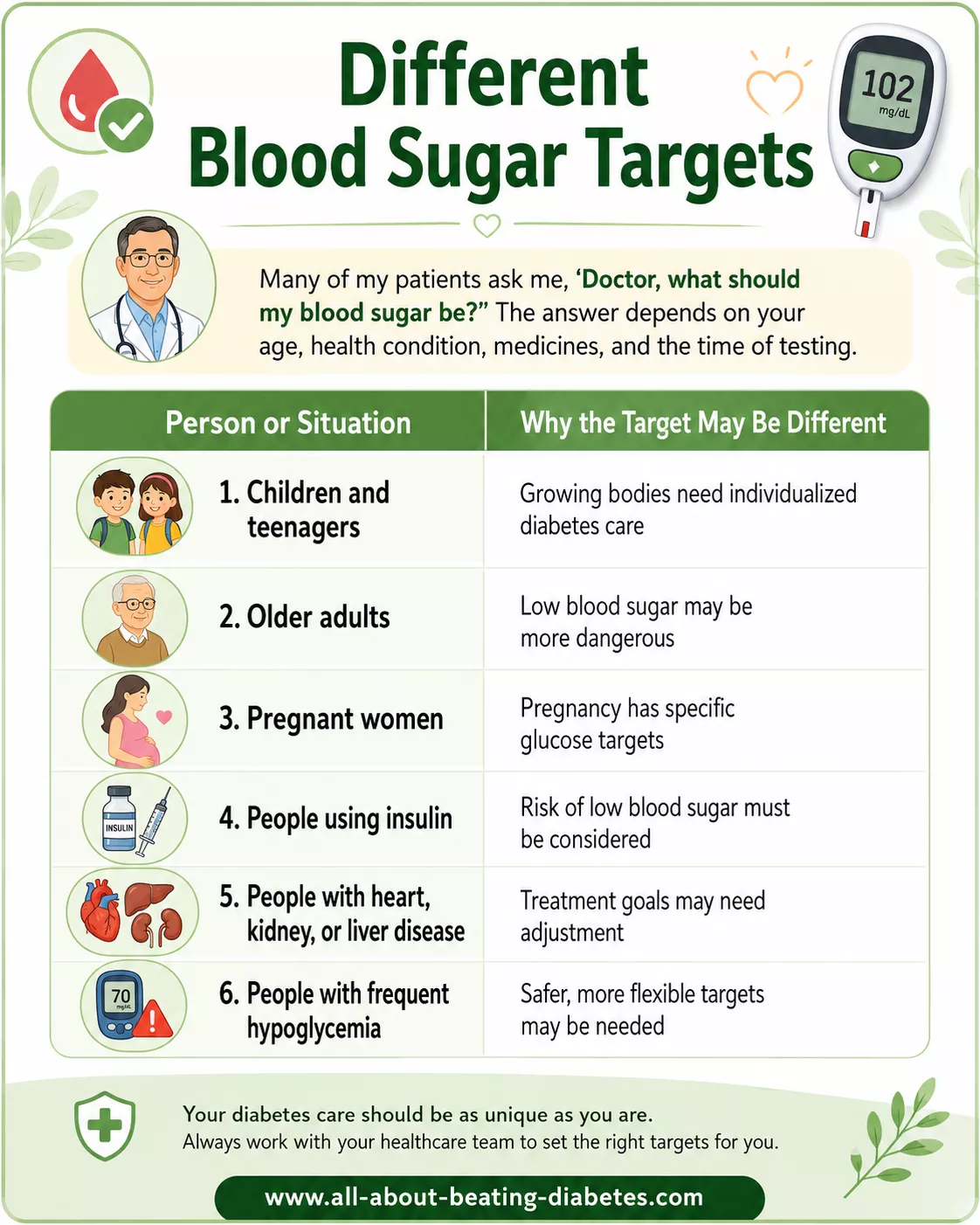
Why Your Personal Target May Be Different
I would not give exactly the same glucose goal to every patient. Your targets may need to be individualized if you:
- are pregnant or planning pregnancy;
- are a child or adolescent;
- are an older adult;
- have frequent or severe hypoglycemia;
- have impaired awareness of low blood sugar;
- have significant kidney, heart, liver or other medical disease;
- have cognitive or functional limitations;
- have lived with diabetes for many years; or
- use insulin or medicines that increase hypoglycemia risk.
An older adult who is otherwise healthy may still have relatively tight glucose goals. Someone with frailty, several serious illnesses or recurrent hypoglycemia may need more relaxed targets because preventing low blood sugar becomes the greater priority.
What Can Affect Your Blood Glucose Readings?
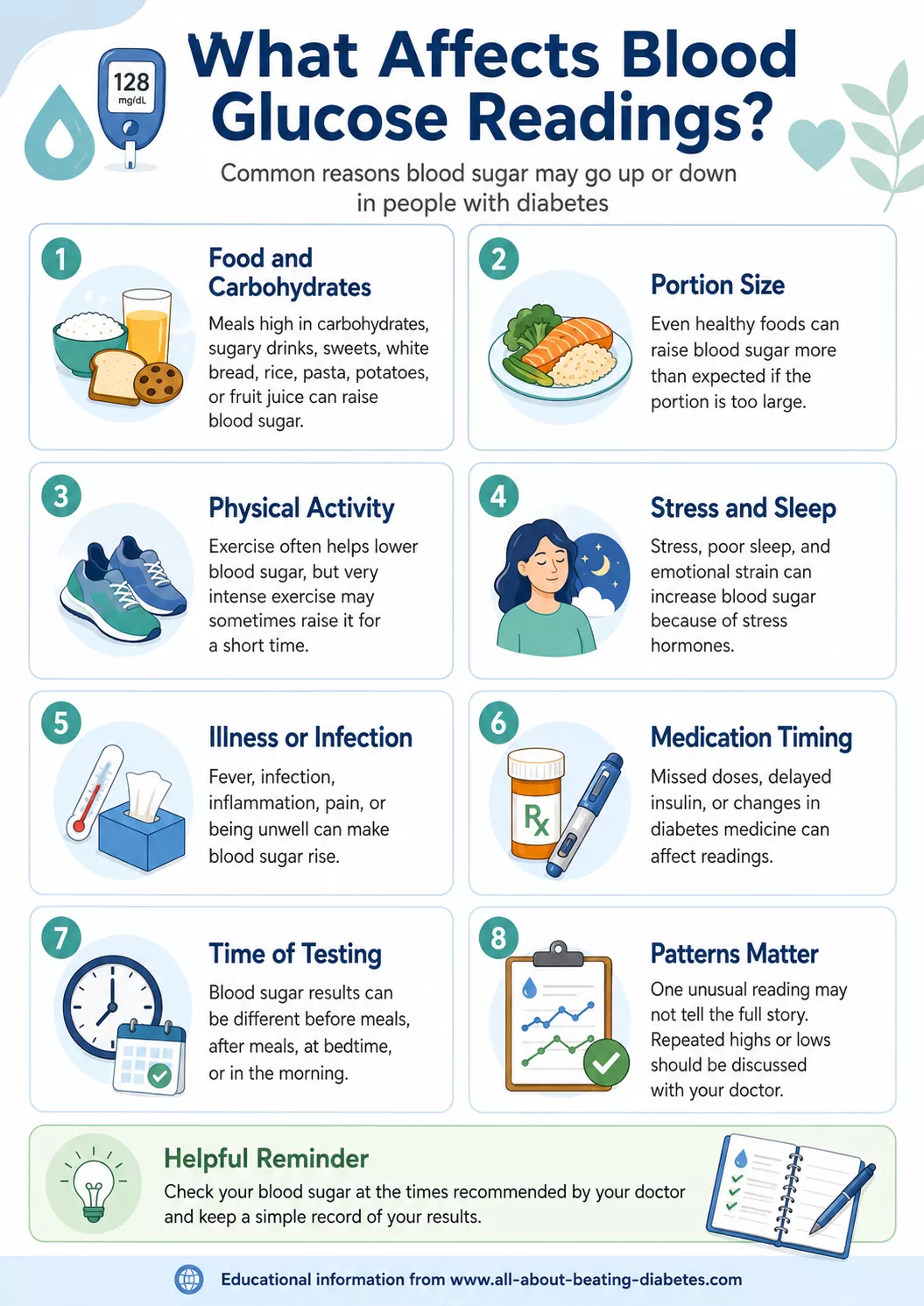
Even when your treatment plan has not changed, glucose can vary from day to day. Common influences include:
- meal size and carbohydrate content;
- physical activity;
- stress and sleep;
- infection, illness or pain;
- dehydration or alcohol;
- hormonal changes;
- medication timing;
- missed insulin or diabetes medicine; and
- corticosteroids and some other medicines.
This is why I encourage patients to look for patterns rather than reacting strongly to one unusual result.
How to Keep Blood Glucose Closer to Your Target
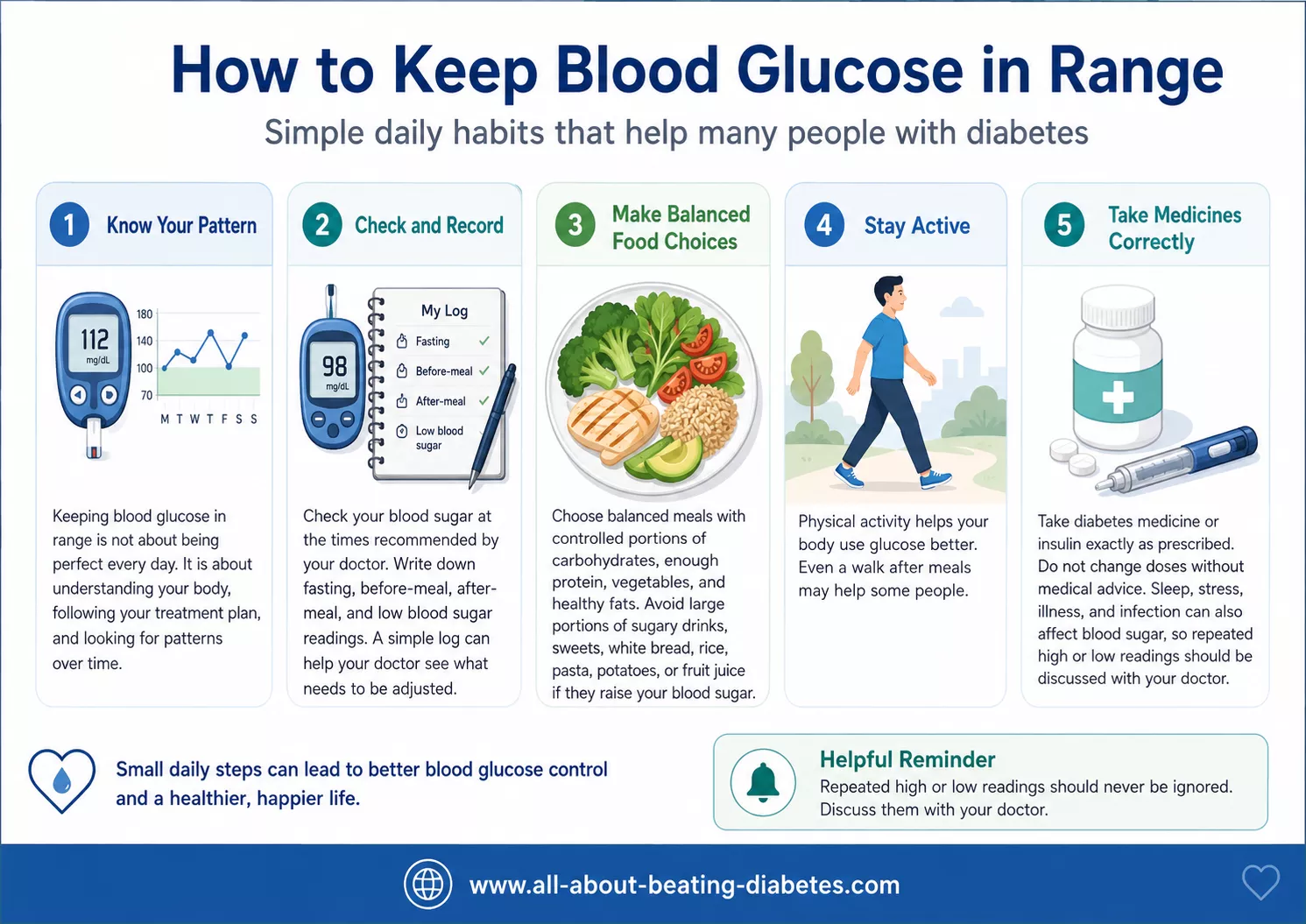
Keeping glucose in range does not require perfect numbers every day. The practical goal is to make the overall pattern safer and more consistent. Depending on your treatment plan, helpful steps may include:
- taking insulin or diabetes medicine exactly as prescribed;
- checking glucose at the times recommended by your healthcare team;
- keeping carbohydrate portions reasonably consistent when this is part of your plan;
- choosing meals with vegetables, protein, fiber and appropriate carbohydrate portions;
- being physically active regularly;
- reviewing repeated highs or lows instead of changing medication on your own;
- paying attention to sleep, illness, stress and hydration; and
- bringing your glucose log or CGM report to medical appointments.
Do not change insulin or medication doses because of one unusual result unless your healthcare professional has given you a specific adjustment plan.
Dr. Albana’s Perspective
When a patient asks whether a blood sugar number is “acceptable,” I first ask when it was measured and what target we agreed on for that person.
A premeal glucose of 125 mg/dL may be within the usual target for many adults with diabetes. The same number means something different if we are discussing a fasting laboratory test used to screen a person who has not been diagnosed with diabetes.
I also do not judge diabetes control from one good reading or one bad reading. I want to know whether most values are reasonably close to target, whether there are repeated highs, whether low glucose is occurring, and whether the A1C or CGM report tells the same story.
The best target is not the lowest number you can achieve. It is the range that offers meaningful long-term protection while remaining safe and realistic for your health and treatment.
When Should You Contact Your Doctor?
Contact your healthcare team if:
- glucose is repeatedly above your agreed target;
- you have repeated readings below 70 mg/dL;
- you experience nighttime hypoglycemia;
- your A1C is rising despite apparently reasonable daily readings;
- your CGM shows frequent highs or lows;
- you are ill and glucose becomes difficult to control;
- you are unsure whether medication or insulin needs adjustment; or
- your target may no longer be appropriate because of pregnancy, aging or a new medical condition.
Related Questions
Is 130 mg/dL acceptable for someone with diabetes?
It depends on when it was measured. For many nonpregnant adults, 130 mg/dL is at the upper end of the common premeal target. After a meal, it may also be within an acceptable range, but your individual target may differ.
Is 180 mg/dL after eating acceptable?
For many adults with diabetes, the common goal is a peak post-meal glucose below 180 mg/dL, assessed 1–2 hours after the beginning of the meal. Frequent readings at or above this level should be reviewed as a pattern.
Is 70 mg/dL acceptable?
Seventy mg/dL is the threshold at which we become concerned about hypoglycemia. A reading below 70 mg/dL should be treated according to your diabetes plan, and repeated lows should be discussed with your healthcare team.
Should everyone with diabetes have the same glucose target?
No. Age, pregnancy, medications, hypoglycemia risk, kidney or heart disease, functional status and other health conditions can all affect the safest goal.
What should my blood sugar be at bedtime?
There is no universal bedtime target for every adult with diabetes. Your bedtime goal should reflect your treatment plan, especially if you use insulin or are at risk of overnight hypoglycemia.
Is A1C below 7% right for everyone?
No. Below 7% is a common goal for many nonpregnant adults, but some people may benefit from a lower goal and others need a less stringent one for safety.
Related Tools and Calculators
Related Resources
Final Key Message
For many nonpregnant adults with diabetes, common treatment goals are 80–130 mg/dL before meals, below 180 mg/dL at the peak after meals, and A1C below 7% when these goals can be achieved safely.
If you use CGM, spending more than 70% of the time between 70 and 180 mg/dL is a common goal for many adults, while time below 70 mg/dL should remain limited.
Most importantly, your target should fit you. A safe plan balances glucose control with your risk of hypoglycemia, medications, age, other medical conditions and daily life. I would rather see a patient follow a realistic, individualized target safely and consistently than chase a “perfect” number that creates unnecessary risk.
References
- American Diabetes Association Professional Practice Committee. Glycemic Goals, Hypoglycemia, and Hyperglycemic Crises: Standards of Care in Diabetes—2026. Diabetes Care. 2026;49(Suppl. 1).
- American Diabetes Association Professional Practice Committee. Older Adults: Standards of Care in Diabetes—2026. Diabetes Care. 2026;49(Suppl. 1).
- American Diabetes Association. Checking Your Blood Sugar.
- National Institute of Diabetes and Digestive and Kidney Diseases. Managing Diabetes. National Institutes of Health.
Medical disclaimer: This information is for general education and does not replace professional medical advice, diagnosis or treatment. Follow the glucose targets and treatment plan recommended by your healthcare professional. Do not change insulin or diabetes medication doses without appropriate medical guidance.
Written by Dr. Albana Greca, MD, MMedSc, Family Physician
Medically reviewed by Dr. Ruden Cakoni, MD, Endocrinologist
Last medically reviewed: July 2026
Insulin resistance can often improve substantially. Your muscles, liver, and fat tissue may become more responsive to insulin when you increase physical activity, reduce excess body weight when appropriate, improve food quality, sleep adequately, and address medical conditions that contribute to the problem.
I prefer to describe this as improving insulin sensitivity rather than promising a permanent cure. Insulin resistance may return or worsen if weight is regained, activity decreases, sleep deteriorates, or another health condition changes.
Quick Answer
Yes, insulin resistance can often be improved—and sometimes brought close to normal—through sustainable lifestyle changes and, when appropriate, medication or metabolic surgery. For people with overweight or obesity and a high risk of type 2 diabetes, losing approximately 5–7% of initial body weight and completing at least 150 minutes of moderate activity weekly are evidence-based goals. Herbs, chromium, vitamin K, and other supplements have not been proven to reverse insulin resistance.
On this page:
What Does Reversing Insulin Resistance Mean?
Insulin is a hormone produced by the beta cells in your pancreas. It helps move glucose from your bloodstream into cells where it can be used or stored.
When you have insulin resistance, your muscle, liver, and fat cells do not respond to insulin as effectively as expected. Your pancreas may compensate by producing more insulin. For a time, this can keep blood glucose within the normal range.
If the pancreas can no longer produce enough insulin to overcome the resistance, blood glucose begins to rise. This may lead to prediabetes and eventually type 2 diabetes.
“Reversing” insulin resistance generally means improving the body’s response to insulin so that less insulin is needed to manage glucose. Insulin resistance is not usually measured as a simple yes-or-no condition in routine practice, and improvement does not guarantee that it can never return.
Insulin resistance is not the same as diabetes remission
If you have prediabetes, improving insulin sensitivity may reduce or delay your risk of progressing to type 2 diabetes.
If you already have type 2 diabetes, improving insulin sensitivity may lower your glucose and medication needs. Some people may achieve diabetes remission, but remission is not the same as a permanent cure.
An international expert group defines type 2 diabetes remission as an A1C below 6.5% for at least three months without glucose-lowering medication. Continued monitoring is necessary because blood sugar may rise again and diabetes complications may still occur.
What Causes Insulin Resistance?
There is rarely one single cause. Insulin resistance can be influenced by:
- Genetics and family history
- Overweight, obesity, or excess abdominal fat
- Physical inactivity and prolonged sitting
- A diet high in refined carbohydrates, sugary drinks, and highly processed foods
- Insufficient or disrupted sleep
- Obstructive sleep apnea
- Polycystic ovary syndrome
- Fatty liver disease
- Pregnancy and a history of gestational diabetes
- Certain medicines, including glucocorticoids and some antipsychotic medicines
- Hormonal disorders and other medical conditions
- Aging and changes in muscle mass
Some people develop insulin resistance despite not having overweight or obesity. This is why I assess the full medical picture rather than assuming that body weight explains every case.
How Do You Know Whether You Have Insulin Resistance?
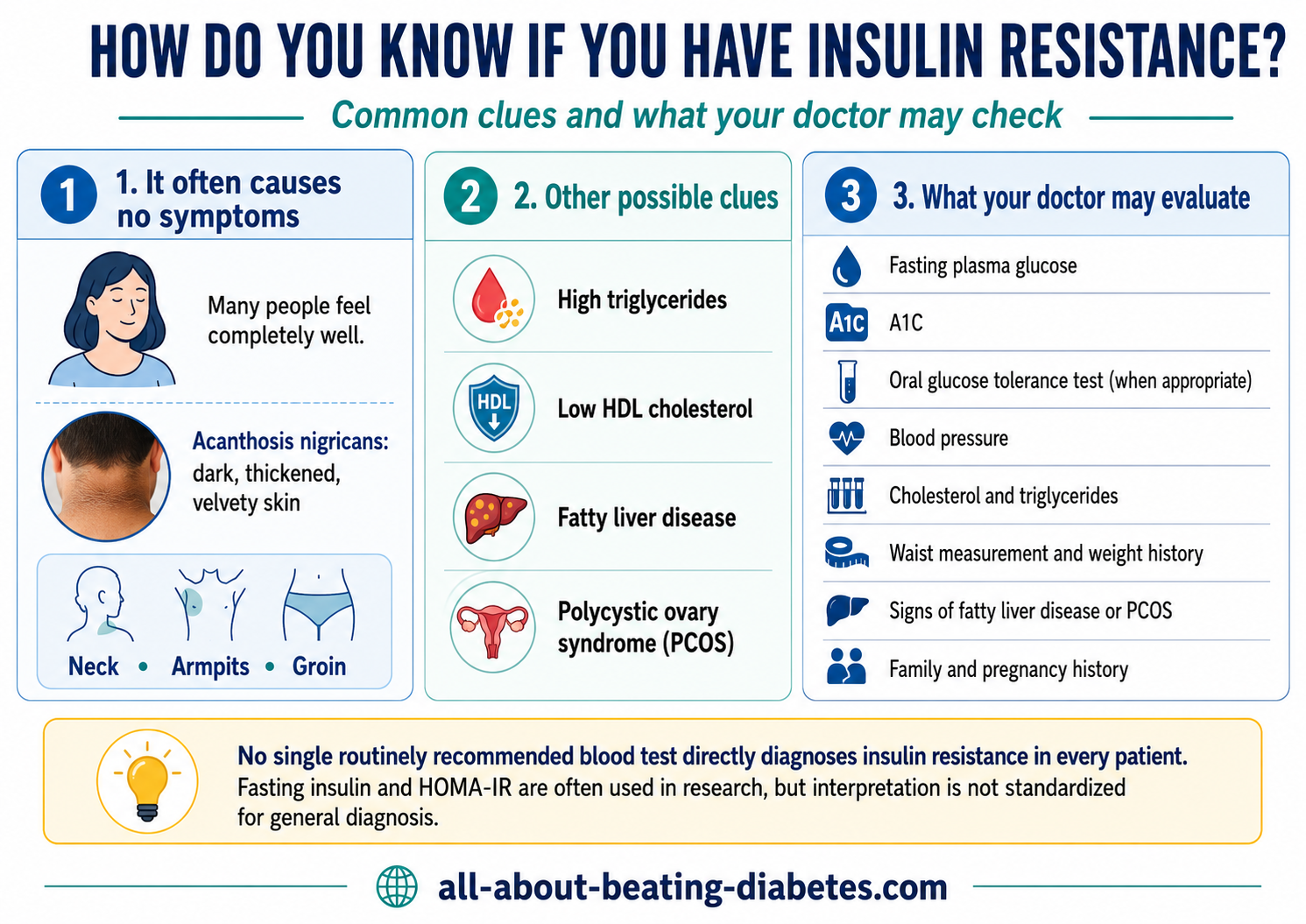
Insulin resistance often causes no symptoms. Some people develop dark, thickened, velvety skin—called acanthosis nigricans—around the neck, armpits, or groin. Others may have high triglycerides, low HDL cholesterol, fatty liver disease, or polycystic ovary syndrome.
There is no single routinely recommended blood test that directly diagnoses insulin resistance in every patient. Fasting insulin and calculations such as HOMA-IR are commonly used in research, but their interpretation is not standardized for general diagnosis.
Your doctor may instead evaluate:
- Fasting plasma glucose
- A1C
- Oral glucose tolerance test when appropriate
- Blood pressure
- Cholesterol and triglycerides
- Waist measurement and body-weight history
- Signs of fatty liver disease or polycystic ovary syndrome
- Family and pregnancy history

Our type 2 diabetes risk calculator can help you identify risk factors, but it cannot diagnose insulin resistance or diabetes.
1. Lose Excess Weight When Appropriate
Weight loss is not required for every person, but it can significantly improve insulin sensitivity when overweight or obesity is contributing to the problem.
The Diabetes Prevention Program used a goal of losing approximately 7% of initial body weight together with at least 150 minutes of weekly physical activity. The lifestyle program reduced progression to type 2 diabetes by 58% compared with placebo over approximately three years.
This was a reduction in the risk of developing diabetes—not a claim that insulin sensitivity improved by exactly 60% in every participant.
Current guidance recommends aiming for at least 5–7% weight loss for many adults with overweight or obesity who are at high risk of type 2 diabetes. Greater sustainable weight loss may provide additional metabolic benefits for some people.
What does 5–7% weight loss look like?
- At 80 kg: approximately 4–5.6 kg
- At 100 kg: approximately 5–7 kg
- At 220 lb: approximately 11–15 lb
I recommend gradual, sustainable changes rather than extreme diets. Weight regain can worsen insulin resistance again, so the best plan is one you can maintain.
2. Use Exercise to Improve Insulin Sensitivity
Physical activity allows working muscles to take up more glucose and improves their response to insulin. Some benefits begin after a single session, although they are not permanent. Regular activity is therefore more effective than occasional intense exercise.
A practical weekly goal for many adults is:
- At least 150 minutes of moderate-intensity aerobic activity
- Activity spread across at least three days
- No more than two consecutive inactive days when possible
- Resistance exercise two or three times weekly
- Regular breaks from prolonged sitting
Examples include brisk walking, cycling, swimming, dancing, resistance bands, body-weight exercises, or supervised strength training.
If you have heart disease, severe neuropathy, an active foot ulcer, proliferative retinopathy, very high blood sugar, or another significant complication, ask your healthcare professional which activities are safe before beginning a new program.
Start from your current level
If 30 minutes at once feels difficult, begin with 5–10 minutes and build gradually. A short walk after a meal may also help reduce the post-meal glucose rise.
Do not become discouraged if weight changes slowly. In the Diabetes Prevention Program, meeting the physical activity goal was associated with lower diabetes risk even when the full weight-loss goal was not achieved.
3. Choose an Eating Pattern You Can Maintain
There is no single insulin-resistance diet that is best for everyone. Mediterranean-style and appropriately planned lower-carbohydrate eating patterns are among the evidence-supported options for people at high risk of type 2 diabetes.
I encourage you to build meals around:
- Non-starchy vegetables
- Beans and lentils
- Whole grains in suitable portions
- Whole fruit rather than juice
- Fish, eggs, poultry, tofu, and other protein sources
- Nuts and seeds in appropriate portions
- Olive oil and other unsaturated fats
- Plain water and unsweetened drinks
Reduce or replace:
- Sugar-sweetened beverages
- Large portions of refined bread, rice, pasta, and pastries
- Sweets and heavily processed snack foods
- Frequent processed meats
- Foods high in trans fat or excessive saturated fat
Carbohydrates do not have to be eliminated. Their type, portion, preparation, and combination with protein, fat, and fiber influence your glucose response.
Use my diabetic meal plan and low-glycemic diet guide to build a balanced approach.
4. Address Sleep, Stress, and Smoking
Insufficient sleep, irregular sleep, and untreated sleep apnea can make blood sugar and appetite regulation more difficult. Most adults should aim for a regular schedule that provides enough restorative sleep.
Talk with your doctor if you snore loudly, wake gasping, have morning headaches, or remain very sleepy during the day. These may be signs of obstructive sleep apnea.
Chronic stress can also affect sleep, eating behavior, physical activity, and glucose levels. Stress-management techniques may include walking, structured relaxation, breathing exercises, counseling, social support, or mindfulness practices.
If you smoke, stopping is one of the most important steps you can take to protect your heart and blood vessels. Ask for professional support rather than trying to manage nicotine dependence alone.
5. Can Metformin Reverse Insulin Resistance?
Metformin improves the way the liver and other tissues respond to insulin and reduces the liver’s glucose production. It is widely used to treat type 2 diabetes and may be considered for diabetes prevention in selected adults with prediabetes who are at particularly high risk.
In the Diabetes Prevention Program, metformin reduced progression to type 2 diabetes by 31% compared with placebo. The intensive lifestyle program produced a larger overall risk reduction of 58%.
These figures describe relative reductions in diabetes incidence among study groups. They do not mean that metformin reverses insulin resistance by exactly 31%.
Metformin prevention is most often considered for higher-risk adults, particularly those with factors such as:
- Age approximately 25–59 years
- Body mass index of 35 kg/m² or higher
- Higher fasting glucose or A1C within the prediabetes range
- A previous diagnosis of gestational diabetes
Metformin is not automatically necessary for everyone with insulin resistance. Your doctor should consider your laboratory results, kidney function, pregnancy plans, other health conditions, and personal preferences.
Long-term metformin use may contribute to vitamin B12 deficiency, so periodic assessment may be appropriate—especially if you develop anemia, numbness, tingling, or neuropathy symptoms.
What About Weight-Loss Medication or Metabolic Surgery?
When obesity is a major contributor, evidence-based weight-management medication or metabolic surgery may produce substantial weight loss and improve insulin sensitivity, blood sugar, blood pressure, and other health outcomes.
These treatments are not shortcuts or appropriate for everyone. They require an individual assessment of benefits, risks, eligibility, costs, and long-term follow-up.
If you already have type 2 diabetes, substantial weight loss—particularly earlier in the course of the condition—may make remission more likely. Never stop diabetes medication without supervision, because treatment often needs adjustment as glucose improves.
Do Chromium, Vitamin K, Cinnamon, or Turmeric Reverse Insulin Resistance?
No supplement has been proven to reverse insulin resistance reliably.
Chromium
Chromium is involved in normal nutrient metabolism, and true deficiency can affect glucose handling. However, evidence for chromium supplements in people without a deficiency is inconsistent. Large doses have also been associated with digestive symptoms and rare reports of kidney, liver, muscle, or skin problems.
Vitamin K
Vitamin K is essential for blood clotting and bone health, but there is not enough evidence to recommend vitamin K supplements as an insulin-resistance treatment. Vitamin K can also interact with medicines such as warfarin.
Cinnamon and turmeric
Cinnamon and turmeric can be used in normal culinary amounts if you enjoy them, but supplements have not been proven to reverse insulin resistance or prevent diabetes. Concentrated products may cause side effects or interact with medication.
Supplement safety
Tell your doctor and pharmacist about every vitamin, herb, tea, powder, and supplement you use. Do not replace metformin, insulin, or another prescribed treatment with a product advertised as a natural insulin-resistance cure.
How Can You Tell Whether Insulin Resistance Is Improving?
There is no single home test that proves insulin resistance has been reversed. Your doctor may monitor changes in:
- Fasting glucose
- A1C
- Glucose after meals when appropriate
- Weight and waist measurement
- Blood pressure
- Triglycerides and HDL cholesterol
- Fatty liver indicators
- Medication requirements
- Fitness, strength, and daily activity
If you have prediabetes, your glucose should generally be checked at least yearly, although your doctor may recommend more frequent testing based on your risk and previous results.
Use our A1C calculator to understand how an A1C result relates to estimated average glucose.
A Practical 12-Week Starting Plan
- ☐ Replace sugary beverages with water or unsweetened drinks.
- ☐ Walk or perform another safe activity for 10–30 minutes most days.
- ☐ Include resistance exercise twice weekly if medically appropriate.
- ☐ Build half of your main meal around non-starchy vegetables.
- ☐ Choose whole fruit instead of juice.
- ☐ Follow a regular sleep schedule.
- ☐ Take prescribed medication consistently.
- ☐ Arrange follow-up testing rather than judging progress only by weight.
When Should You Talk With Your Doctor?
Arrange an evaluation if you have risk factors for insulin resistance, symptoms of high blood sugar, acanthosis nigricans, polycystic ovary syndrome, fatty liver disease, a history of gestational diabetes, or a strong family history of type 2 diabetes.
Seek prompt medical care if you develop excessive thirst, frequent urination, unexplained weight loss, vomiting, confusion, difficulty breathing, or very high glucose readings.
If you take insulin or a medicine that can cause hypoglycemia, changes in food intake, weight, and activity may lower your medication needs. Monitor your glucose and discuss adjustments with your healthcare team rather than changing doses on your own.
Frequently Asked Questions
How long does it take to improve insulin resistance?
Exercise can improve insulin sensitivity for a limited period after a single session, while measurable changes in weight, A1C, and metabolic health usually take weeks or months. The timeframe depends on your starting health, genetics, activity, food choices, sleep, medicines, and ability to maintain the changes.
Can a thin person have insulin resistance?
Yes. Genetics, low muscle mass, physical inactivity, fatty liver disease, sleep apnea, polycystic ovary syndrome, medicines, and body-fat distribution may contribute even when body mass index is not high.
Does fasting reverse insulin resistance?
Reducing total calorie intake and losing excess weight can improve insulin sensitivity, but intermittent fasting is not necessary and is not safe for everyone. It may increase the risk of hypoglycemia or require medication adjustments. Discuss it with your healthcare professional if you use insulin or glucose-lowering medicine.
Can insulin resistance return?
Yes. Insulin resistance may worsen again with weight regain, inactivity, aging, poor sleep, illness, pregnancy, certain medicines, or progression of metabolic disease. Think of improvement as an ongoing health strategy rather than a one-time cure.
Related Questions
- Ask about insulin resistance
- Ask about natural diabetes management
- Ask about food and diabetes
- Ask about meal planning
Related Resources
- Insulin resistance treatment and management
- Prediabetes: diagnosis and prevention
- Type 2 diabetes information
- Diabetic meal plan
- Low-glycemic diet
References
- American Diabetes Association: Prevention or Delay of Diabetes and Associated Comorbidities—Standards of Care in Diabetes—2026
- National Institute of Diabetes and Digestive and Kidney Diseases: Diabetes Prevention Program
- Consensus Report: Definition and Interpretation of Remission in Type 2 Diabetes
- National Center for Complementary and Integrative Health: Diabetes and Dietary Supplements
This information is for general education and does not replace individual medical advice, diagnosis, or treatment.