Natural Cures for Diabetes? What Really Helps Blood Sugar Naturally — and What to Avoid
Written by Dr. Albana Greca, MD
Family Physician and Medical Author
Medically reviewed by: Dr. Ruden Cakoni, MD, Endocrinologist
Last reviewed: June 2026
Many people search for natural cures for diabetes because they want a safer, simpler way to lower blood sugar and protect their health. As a doctor, I understand that hope. But it is also important to be honest: there is no proven natural cure for diabetes that safely replaces medical care.
The good news is that healthy food choices, weight loss when needed, regular activity, better sleep, and careful monitoring can strongly support blood sugar control. In some people with type 2 diabetes, these changes may even help diabetes go into remission. This page explains what really helps, which natural remedies need caution, and when you should speak with your doctor before making changes.
Natural methods may support better blood sugar control, insulin sensitivity, weight, cholesterol, blood pressure, and overall health. However, they should be used as part of a complete diabetes care plan — not as a replacement for proper diagnosis, regular monitoring, prescribed treatment, and medical follow-up.
Can Diabetes Be Cured Naturally?
No natural treatment has been proven to cure diabetes.
When patients ask me, “Doctor, can diabetes be cured naturally?” I always explain that diabetes is not one single condition. The answer depends on the type of diabetes, how long it has been present, the person’s weight, insulin production, other medical conditions, and the treatment already being used.
Current diabetes care standards support lifestyle changes as a foundation of treatment, but not as a replacement for diagnosis, monitoring, prescribed medicines, or regular medical follow-up. Recent evidence continues to show that weight management, nutrition therapy, physical activity, and diabetes education can improve A1C, reduce medication needs in some patients, and lower cardiovascular risk. However, no herb, supplement, detox, fasting plan, or “natural cure” has been proven to safely replace medical diabetes care.
“Natural methods can help control diabetes, but they do not cure it. In type 2 diabetes, strong lifestyle changes may sometimes lead to remission, while type 1 diabetes always requires insulin. The safest approach is to use natural methods together with proper medical care — not instead of it.”
Type 1 Diabetes
Type 1 diabetes is an autoimmune condition in which the immune system attacks the insulin-producing beta cells in the pancreas. As a result, the body cannot produce enough insulin to keep blood sugar in a safe range.
People with type 1 diabetes need insulin to survive. Natural remedies, herbs, supplements, fasting plans, detox programs, or special diets cannot replace insulin treatment in type 1 diabetes.
This is an important safety point: stopping or reducing insulin without medical supervision can lead to diabetic ketoacidosis, a life-threatening emergency that requires urgent medical care.
Type 2 Diabetes
Type 2 diabetes is commonly associated with insulin resistance, excess body weight, genetics, family history, aging, physical inactivity, poor sleep, certain medications, and other metabolic factors. It develops gradually, and over time the pancreas may also produce less insulin.
Many people with type 2 diabetes can improve their blood sugar significantly through weight loss when needed, healthier eating, regular physical activity, better sleep, stress management, and appropriate medical treatment.
In some cases, especially when type 2 diabetes is diagnosed early and meaningful weight loss is achieved, a person may reach diabetes remission. Remission means that blood sugar levels return below the diabetes range for a period of time without glucose-lowering medication.
However, remission is not the same as a permanent cure. Type 2 diabetes can return if weight is regained, insulin resistance worsens, lifestyle changes are not maintained, or pancreatic beta-cell function declines over time.
The safest message is this: natural lifestyle changes can be very powerful for type 2 diabetes control and may help some people achieve remission, but they should be used together with regular monitoring and medical care — not as a replacement for it.
Prediabetes
Prediabetes is a warning sign that blood sugar levels are higher than normal, but not yet in the diabetes range. At this stage, lifestyle changes can be especially effective.
Many people with prediabetes can improve insulin resistance and bring blood sugar levels back toward the normal range through weight loss when needed, healthier eating, regular physical activity, better sleep, and regular follow-up testing.
This is one of the most important times to act, because early changes can reduce the risk of developing type 2 diabetes and may also improve blood pressure, cholesterol, weight, and overall metabolic health.
What Does Diabetes Remission Mean?
Diabetes remission means that blood sugar has improved enough to fall below the diabetes range without the need for glucose-lowering diabetes medication.
According to an international expert consensus report, type 2 diabetes remission is usually defined as:
- A1C below 6.5%
- For at least 3 months
- Without glucose-lowering diabetes medication
As I explain to my patients, remission is very good news — but it is not the same as a permanent cure. It means diabetes is well controlled without glucose-lowering medication at that time. However, blood sugar can rise again if weight is regained, insulin resistance worsens, physical activity decreases, or pancreatic beta-cell function declines over time.
Even during remission, a person still needs regular A1C testing, healthy eating habits, physical activity, weight management when needed, and routine medical follow-up. Doctors may also continue to monitor blood pressure, cholesterol, kidney function, eye health, nerve symptoms, and cardiovascular risk, because diabetes-related risks do not always disappear immediately.
What Really Helps Lower Blood Sugar Naturally?
When patients ask me about “natural ways to lower blood sugar,” I explain that the strongest evidence is not for magic herbs, detoxes, or quick cures. The strongest evidence is for the daily foundations of diabetes care.
Natural diabetes care should start with the basics:
- Losing weight if you are overweight or living with obesity
- Following a healthy eating pattern
- Choosing higher-fiber foods and better-quality carbohydrates
- Avoiding sugary drinks and large portions of refined starches
- Being physically active on a regular basis
- Reducing long periods of sitting
- Improving sleep quality
- Managing stress in a healthy way
- Stopping smoking and avoiding vaping
- Monitoring blood sugar and A1C as advised
- Taking prescribed medication when it is needed
These steps can improve blood sugar, insulin resistance, weight, cholesterol, blood pressure, energy, and long-term heart and kidney health.
For people with type 2 diabetes who are overweight, even modest weight loss can improve blood sugar and reduce the need for some diabetes medicines. Greater and sustained weight loss may lead to diabetes remission in some people, especially when type 2 diabetes is diagnosed early. However, remission is not guaranteed, and it still requires ongoing monitoring.
A healthy eating pattern does not have to be extreme. For most people, the goal is to reduce sugary drinks, sweets, and highly processed carbohydrates, while increasing vegetables, beans, lentils, nuts, seeds, lean proteins, healthy fats, and high-fiber foods. Carbohydrate quality and portion size matter.
Physical activity is also a powerful natural tool. Regular walkingd, strength training, and reducing sitting time can help the body use insulin more effectively. Even small, consistent changes can make a meaningful difference over time.
Supplements and herbs should never be the first step in diabetes care. Some may have small effects on blood sugar, but many are not well studied, may interact with medicines, and cannot replace metformin, insulin, GLP-1 medicines, blood pressure treatment, cholesterol treatment, or regular medical follow-up.
The safest message is this: natural methods can support diabetes control, but they work best when used as part of a complete diabetes care plan — not as a replacement for diagnosis, monitoring, or prescribed treatment.
Natural Ways to Help Blood Sugar: Evidence-Based Table
The Best Natural Way to Lower Blood Sugar
When patients ask me for the best natural way to lower blood sugar, I explain that it is usually not one herb, one supplement, or one “special” food.
The strongest natural approach is a consistent daily plan that improves how the body uses insulin and reduces blood sugar spikes after meals.
The most helpful steps are:
- Build meals around non-starchy vegetables, lean protein, high-fiber carbohydrates, and healthy fats.
- Choose better-quality carbohydrates such as beans, lentils, vegetables, fruit in sensible portions, and whole grains instead of sugary foods and refined starches.
- Avoid sugary drinks, fruit juices, sweetened coffee drinks, and large portions of white bread, white rice, pasta, pastries, and sweets.
- Walk after meals when possible, even for 10–15 minutes.
- Lose weight if you are overweight, especially if weight is carried around the waist.
- Reduce long periods of sitting during the day.
- Sleep enough and discuss possible sleep apnea with your doctor if you snore, feel tired during the day, or have obesity.
- Monitor blood sugar and A1C as advised.
- Work with your doctor to adjust treatment safely when lifestyle changes improve blood sugar.
Recent diabetes care standards continue to emphasize nutrition therapy, physical activity, weight management, diabetes education, sleep, smoking cessation, and regular monitoring as core parts of diabetes management. These approaches can improve blood sugar control, insulin resistance, cholesterol, blood pressure, weight, and cardiovascular risk.
For many patients, a 10–15 minute walk after meals is one of the simplest and safest natural tools. It helps the muscles use glucose from the bloodstream and may reduce post-meal blood sugar rises. It is free, practical, and safer than relying on unproven supplements.
However, natural methods should not replace prescribed diabetes treatment. If your blood sugar improves, your medication plan may need adjustment — but this should be done with your doctor, especially if you use insulin or medicines that can cause low blood sugar.
Foods That May Help Lower Blood Sugar Naturally
|
No food can cure diabetes. I always explain this clearly to my patients because diabetes care should never be based on one “magic” food. However, some foods can support better blood sugar control because they are rich in fiber, protein, healthy fats, vitamins, minerals, and plant compounds, or because they have a lower glycemic effect. These foods may help slow digestion, reduce blood sugar spikes after meals, improve fullness, and support weight and heart health. The key is not only what you eat, but also how much, how often, and what you eat it with. For example, eating carbohydrates together with protein, healthy fats, and fiber can often reduce the size of the post-meal blood sugar rise. This is easier for many patients than counting every gram of carbohydrate. |

“No food cures diabetes, but the right food pattern can help control blood sugar. Choose high-fiber, minimally processed foods, pair carbohydrates with protein or healthy fats, and keep portions realistic.”
Can Type 2 Diabetes Be Reversed Naturally?
Some people use the word “reversed,” but medically, “remission” is usually more accurate.
Type 2 diabetes may go into remission in some people, especially when treatment begins early and the main drivers of insulin resistance are improved. This is more likely when:
- Type 2 diabetes has been diagnosed relatively early
- Weight loss is significant and maintained
- The pancreas is still able to produce enough insulin
- The person follows a structured eating and physical activity plan
- Blood sugar, A1C, weight, blood pressure, and cholesterol are monitored regularly
- Medical follow-up is consistent
Weight loss is one of the strongest evidence-based strategies for type 2 diabetes remission in people who are overweight or living with obesity. The DiRECT trial showed that an intensive, primary-care-led weight management program helped some people with type 2 diabetes achieve remission, with higher remission rates in those who lost more weight and maintained it. At 2 years, remission was still present in 36% of the intervention group, compared with 3% of the control group.
More recent diabetes standards also emphasize that modest weight loss can improve blood sugar and reduce the need for glucose-lowering medicines, while greater weight loss can substantially improve A1C and fasting glucose and may promote sustained remission in some people.
However, remission is not guaranteed, and it is not the same as a permanent cure. Diabetes can return if weight is regained, insulin resistance worsens, physical activity decreases, or pancreatic beta-cell function declines over time.
As I explain to my patients, not reaching remission does not mean failure. Better blood sugar control still matters greatly. Improving A1C, blood pressure, cholesterol, weight, and daily glucose patterns can reduce the risk of diabetes complications and protect the heart, kidneys, eyes, nerves, and blood vessels.
“Type 2 diabetes can sometimes go into remission, especially with early, sustained weight loss and structured lifestyle care. But remission is not a guaranteed cure. Even when remission is not achieved, better blood sugar control still protects long-term health.”
Which Herbs May Help Blood Sugar?
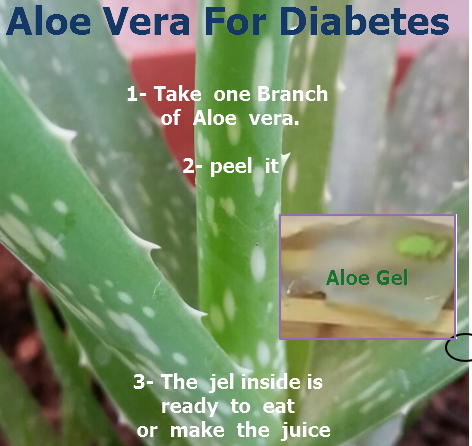
Some herbs and plant-based supplements have been studied for blood sugar control, but the evidence is often limited, mixed, or based on small studies. A few products, such as cinnamon, berberine, fenugreek, bitter melon, aloe vera, and apple cider vinegar, may show modest blood sugar effects in some research. However, results are not consistent enough to recommend them as a replacement for standard diabetes care.
As I explain to my patients, “natural” does not always mean safe. Herbs and supplements can interact with diabetes medicines, blood pressure medicines, blood thinners, cholesterol medicines, and other treatments. Some may also affect the liver, kidneys, stomach, or risk of low blood sugar, especially when combined with insulin or sulfonylureas.
If you want to try an herb or supplement for blood sugar, discuss it first with your doctor or pharmacist. It is especially important to be cautious if you are pregnant, breastfeeding, have kidney or liver disease, take multiple medicines, or use insulin.
The safest approach is to focus first on the proven foundations of diabetes care: healthy eating, weight management when needed, regular physical activity, good sleep, stress management, blood sugar monitoring, A1C testing, and prescribed medication when necessary.
“Some herbs may have small effects on blood sugar, but they are not diabetes cures and should not replace medical treatment. Always check for safety and medication interactions before using supplements.”
Common Herbs and Supplements Discussed for Blood Sugar
Some herbs and plant-based supplements are often discussed for blood sugar support. The most commonly mentioned include:
- Cinnamon
- Berberine
- Fenugreek
- Bitter melon
- Gymnema sylvestre
- Aloe vera
- Ginseng
- Turmeric
- Bay leaf
- Milk thistle
Medical note: The evidence for these supplements is usually limited, mixed, or based on small studies. Supplement quality also varies widely, and some products may interact with diabetes medicines or cause side effects.
Herbs and supplements are not always harmless. Some can lower blood sugar too much when combined with diabetes medicines, increasing the risk of hypoglycemia.
Some supplements may also affect the liver, kidneys, stomach, or blood clotting. Others may interact with metformin, insulin, sulfonylureas, blood pressure medicines, cholesterol medicines, or blood thinners.
Supplements are not tested and regulated in the same way as prescription medicines, and product quality can vary widely.
Always tell your doctor or pharmacist about any herbs, vitamins, or supplements you take — especially if you have diabetes or take regular medication.
Bitter Melon as a Natural Remedy for Diabetes Bitter melon, also called bitter gourd or **Momordica charantia**, is a traditional food and herbal remedy that has been studied for possible blood-sugar-lowering effects. Some research suggests it may modestly support glucose control in people with type 2 diabetes, but the evidence is not strong enough to call it a cure or to use it instead of prescribed diabetes treatment. You can eat bitter melon cooked as a vegetable or, in some cases, use bitter melon juice or supplements. However, it should be used carefully because it may lower blood sugar, especially if you already take insulin or diabetes medication. Check your glucose more often, avoid it during pregnancy unless advised by your doctor, and speak with your healthcare provider before using it regularly. |
Does Cinnamon Lower Blood Sugar?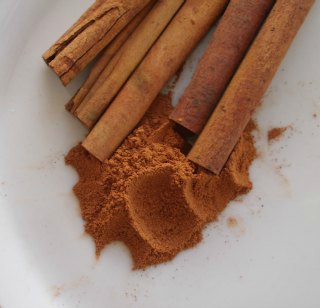 Cinnamon is often used in food, tea, or supplements because some people hope it may help lower blood sugar naturally. Some research suggests cinnamon may modestly improve fasting blood sugar in some people with type 2 diabetes, but results are not consistent, and cinnamon has not been proven to cure diabetes or replace diabetes medication. As I explain to my patients, cinnamon can be enjoyed in normal food amounts as part of a healthy eating pattern, but it should not be used as a diabetes treatment by itself. High-dose cinnamon supplements may cause safety concerns, especially with liver disease or when combined with diabetes medicines, blood thinners, blood pressure medicines, or cholesterol medicines, so discuss them first with your doctor or pharmacist. |
Gymnema Sylvestre for diabetes Gymnema sylvestre is an herb traditionally used in Ayurvedic medicine and is sometimes promoted as a natural remedy for diabetes. Some research suggests it may help modestly lower blood sugar in people with type 2 diabetes, but the evidence is still limited, and it has not been proven to cure diabetes or replace prescribed treatment. As I explain to my patients, Gymnema sylvestre should be used carefully, especially by people taking insulin or diabetes medication, because it may increase the risk of low blood sugar. It is not a substitute for blood sugar monitoring, A1C testing, healthy eating, physical activity, or medical follow-up, and anyone considering Gymnema supplements should first discuss it with a doctor or pharmacist. |
Banaba for Diabetes Banaba, also known as **Lagerstroemia speciosa**, is a plant traditionally used in herbal medicine and sometimes promoted as “plant insulin” or “botanical insulin.” Its leaves contain compounds such as **corosolic acid**, which have been studied for possible blood-sugar-lowering effects, but current evidence is still limited and does not prove that banaba cures diabetes or replaces prescribed treatment. As I explain to my patients, banaba may have a modest supportive role for some people with type 2 diabetes, but it should be used carefully, especially if you take insulin or diabetes medication, because it may increase the risk of low blood sugar. It should not replace healthy eating, physical activity, blood sugar monitoring, A1C testing, or regular medical follow-up. |
Berberine for Diabetes Berberine is a natural plant compound found in several herbs and is often promoted for blood sugar support. Some recent studies suggest it may modestly improve fasting blood sugar, A1C, insulin resistance, and cholesterol levels in people with type 2 diabetes, but the evidence is not strong enough to call it a cure or to use it instead of prescribed diabetes treatment. As I explain to my patients, berberine should be used carefully because it can interact with diabetes medicines and may increase the risk of low blood sugar, especially when combined with insulin or sulfonylureas. It is not recommended during pregnancy or breastfeeding, and anyone considering berberine should first discuss it with a doctor or pharmacist. |
Vitamin C for diabetes Vitamin C is an important antioxidant that supports immune health, wound healing, and normal blood vessel function. Some studies have explored whether vitamin C may help reduce oxidative stress in people with diabetes, but current guidelines do not recommend routine vitamin C supplements for blood sugar control unless there is a deficiency or a medical reason. As I explain to my patients, vitamin C is best obtained from healthy foods such as citrus fruits, berries, peppers, broccoli, and leafy greens. High-dose vitamin C supplements should be used carefully, especially in people with kidney disease, kidney stone history, or those taking multiple medications, because large doses may cause side effects such as stomach upset and may increase oxalate levels. |
Benefits of Cayenne for Diabetics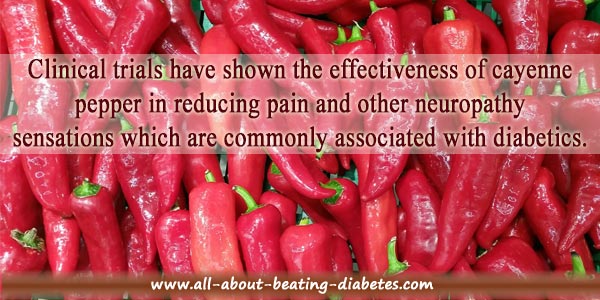 Cayenne pepper contains **capsaicin**, the natural compound that gives chili peppers their heat. Some research has explored capsaicin for possible effects on metabolism, appetite, weight control, blood pressure, and cholesterol, but current evidence does not prove that cayenne directly lowers blood sugar or treats diabetes. Recent reviews suggest any cardiometabolic benefits are modest and not consistent. As I explain to my patients, cayenne can be used in small amounts as a flavoring in healthy meals, but it should not be used as a diabetes treatment or a replacement for medication, blood sugar monitoring, A1C testing, or medical follow-up. People with acid reflux, stomach ulcers, irritable bowel symptoms, or those taking blood thinners should use cayenne carefully and ask a doctor or pharmacist before using high-dose supplements. |
Fenugreek for Diabetes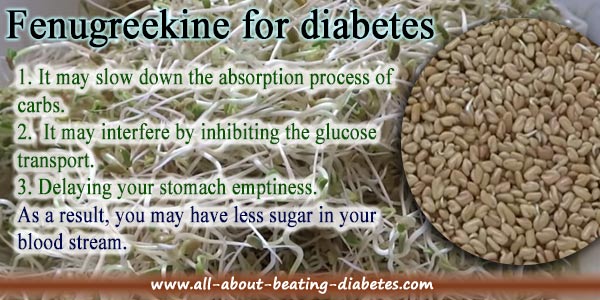 Fenugreek seeds are used in traditional cooking and herbal medicine, especially in Indian and Middle Eastern diets. They contain soluble fiber and natural plant compounds, including 4-hydroxyisoleucine, that may help slow carbohydrate absorption and may modestly support insulin action. Recent reviews suggest fenugreek may improve fasting blood sugar, A1C, insulin resistance, and some cholesterol markers in people with type 2 diabetes, but the evidence is still not strong enough to call it a cure. As I explain to my patients, fenugreek can be used in normal food amounts as part of a healthy eating pattern, but it should not replace diabetes medication, glucose monitoring, A1C testing, or medical follow-up. Fenugreek supplements should be used carefully because they may lower blood sugar too much when combined with insulin or diabetes tablets, and they may cause stomach upset or interact with blood thinners and other medicines. |
Can I Stop Diabetes Medication If I Use Natural Remedies?
No. You should not stop diabetes medication because of natural remedies unless your doctor specifically advises you to do so.
This is a very important safety point. Natural methods such as healthier eating, weight loss, physical activity, sleep improvement, or supplements may help support blood sugar control, but they should not replace prescribed treatment without medical supervision.
Stopping diabetes medication suddenly can lead to serious problems, including:
- Very high blood sugar
- Dehydration
- Unintentional weight loss from uncontrolled diabetes
- Increased risk of infections
- Diabetic ketoacidosis, especially in people with type 1 diabetes or insulin deficiency
- Hyperosmolar hyperglycemic state, a dangerous emergency that can occur particularly in older adults with type 2 diabetes
If your blood sugar improves with lifestyle changes, that is excellent progress. In some cases, your doctor may be able to reduce or adjust medication safely. However, this should be done with regular blood sugar monitoring, A1C testing, and medical follow-up.
As I explain to my patients: improving your lifestyle may reduce the need for medication in some situations, but medication changes should be planned — not stopped suddenly.
“Do not stop diabetes medication because of natural remedies. If blood sugar improves, your doctor can help adjust treatment safely with monitoring.”
Can Fasting Help Diabetes?
|
Intermittent fasting may help some people with type 2 diabetes or insulin resistance lose weight, reduce calorie intake, and improve blood sugar patterns, but it is not safe or appropriate for everyone with diabetes. Fasting can increase the risk of low blood sugar, dehydration, medication-related side effects, or very high blood sugar in some situations, especially in people using insulin or sulfonylureas, pregnant women, older adults, people with kidney disease, eating disorders, type 1 diabetes, or a history of diabetic ketoacidosis. As I explain to my patients, fasting should be discussed with your doctor first so your medications, meal timing, hydration, and blood sugar monitoring can be adjusted safely. |

Fasting should be discussed with your doctor first, especially if you are pregnant, elderly, underweight, have kidney disease, have a history of eating disorders, or use insulin.
Can Weight Loss Put Diabetes Into Remission?
Remission is not guaranteed for everyone. A person’s chance of achieving and maintaining remission depends on several factors, including genetics, age, duration of diabetes, degree of insulin resistance, remaining pancreatic beta-cell function, weight changes, sleep quality, medications, and other health conditions. Even when remission is not achieved, improving blood sugar control is still very valuable because it helps reduce the risk of long-term diabetes complications.
Are Natural Diabetes Supplements Safe With Metformin or Insulin?
Natural diabetes supplements are not always safe when used with metformin, insulin, sulfonylureas, or other glucose-lowering medicines. Although they are often marketed as “natural,” some supplements can have drug-like effects and may lower blood sugar further when combined with diabetes treatment. This can increase the risk of hypoglycemia, especially if a person is eating less, fasting, losing weight, drinking alcohol, exercising more than usual, or taking more than one diabetes medication.
Extra caution is needed with supplements such as berberine, cinnamon capsules, alpha-lipoic acid, fenugreek, bitter melon, gymnema, ginseng, apple cider vinegar, and chromium. Some of these products have shown possible blood sugar effects in small studies, but the overall evidence is often limited, mixed, or not strong enough to replace standard diabetes care. Safety also depends on the dose, product quality, kidney and liver function, other medical conditions, and the medicines a person already takes.
As I explain to my patients, supplements should never be added to a diabetes treatment plan without first discussing them with a doctor or pharmacist. This is especially important for people who use insulin, sulfonylureas such as glipizide, gliclazide, or glyburide, multiple diabetes medicines, blood pressure medicines, cholesterol medicines, blood thinners, or medicines for kidney or heart disease.
The safest approach is individualized care: monitor blood sugar, review A1C results, check for medication interactions, and adjust treatment only under medical supervision.
When Natural Remedies Can Be Dangerous
Natural does not always mean safe. If you have diabetes, it is important to know when high blood sugar or illness may require urgent medical care.
Seek urgent medical attention if you have diabetes and develop any of the following:
- Blood sugar repeatedly above 300 mg/dL, especially if it does not improve with your usual treatment plan
- Vomiting or inability to keep fluids down
- Confusion, drowsiness, or difficulty staying awake
- Severe weakness or fainting
- Signs of dehydration, such as very dry mouth, dizziness, or little urination
- Rapid or deep breathing
- Abdominal pain
- Fruity-smelling breath
- Moderate or large ketones in blood or urine
- Chest pain
- Shortness of breath
- Severe infection symptoms, such as high fever, worsening wound infection, or feeling seriously unwell
Extra caution is needed for people with type 1 diabetes, pregnancy, kidney disease, liver disease, heart disease, older age, or anyone using insulin or multiple diabetes medicines.
As I explain to my patients, natural remedies should never delay emergency care. Very high blood sugar, ketones, dehydration, chest pain, breathing difficulty, or confusion can be signs of a serious diabetes emergency.
“Natural remedies should never delay urgent care. Very high blood sugar, ketones, vomiting, dehydration, confusion, chest pain, or breathing difficulty may signal a diabetes emergency.”
Natural Diabetes Care Plan: A Safe Step-by-Step Approach
|
Natural diabetes care works best when it is practical, consistent, and safe. Instead of relying on one herb, supplement, or quick fix, focus on daily habits that improve insulin sensitivity, reduce post-meal blood sugar spikes, and support long-term metabolic health. These steps can help many people improve blood sugar control, but they should be used together with regular monitoring and medical care — not as a replacement for prescribed treatment. |
 |
Final Note to my patients
I tell my patients this: you do not need a miracle cure to improve diabetes. You need a safe, realistic, and consistent care plan that supports your health every day.
Diabetes improvement usually comes from the foundations of good care: a healthy eating pattern, weight loss when needed, regular walking or other physical activity, better sleep, stress management, blood sugar monitoring, and the right medical treatment when necessary. These steps can make a powerful difference in blood sugar control, insulin resistance, cholesterol, blood pressure, energy, and long-term health.
Supplements and herbs may have a small role for some people, but they are never the foundation of diabetes care. They should not replace diagnosis, A1C testing, prescribed medication, insulin, or regular follow-up with your doctor.
The goal is not only to achieve a better blood sugar number. The real goal is to protect your heart, kidneys, eyes, nerves, brain, circulation, independence, and quality of life.
 for a range of gymnema capsules.
Explore more herbs.










References
- American Diabetes Association. Standards of Care in Diabetes — 2026.
- Riddle MC, Cefalu WT, Evans PH, et al. Consensus Report: Definition and Interpretation of Remission in Type 2 Diabetes. Diabetes Care. 2021;44(10):2438–2444.
- Lean MEJ, Leslie WS, Barnes AC, et al. 5-year follow-up of the Diabetes Remission Clinical Trial. Lancet Diabetes Endocrinology. 2024.
- McKennon SA. Non-Pharmaceutical Intervention Options for Type 2 Diabetes. NCBI Bookshelf. Updated 2024.
- Moridpour AH, Kavyani Z, Khosravi S, et al. The effect of cinnamon supplementation on glycemic control in patients with type 2 diabetes mellitus: An updated systematic review and dose-response meta-analysis of randomized controlled trials. Phytotherapy Research. 2024;38(1):117–130.
- Nazari A, et al. The Effect of Berberine Supplementation on Glycemic Control and Inflammatory Markers. 2024.
- Liu D, et al. Efficacy and safety of berberine on the components of metabolic syndrome: A systematic review and meta-analysis of randomized placebo-controlled trials. 2025.
- Vajdi M, et al. Therapeutic effect of fenugreek supplementation on type 2 diabetes mellitus: Systematic review and meta-analysis. 2024.
- Garza MC, et al. Effect of aromatic herbs and spices present in the Mediterranean diet on glycemic control in type 2 diabetes. 2024.
- Momordica charantia L. lowers elevated glycaemia in type 2 diabetes mellitus patients: Systematic review and meta-analysis.
- To what extent does cinnamon administration improve the glycemic and lipid profiles?
- Over-the-Counter Medicines and Diabetes Care.
- Studies on prevention of obesity, metabolic syndrome, diabetes, cardiovascular diseases and cancer by tea.
- Natural Health Products and Diabetes: A Practical Review.
Do you know any natural cures that help to manage diabetes.
What Other Visitors Have Asked
Click below to see Questions from other visitors to this page...
Regarding prediabetics natural supplements 
QUESTION:
By Elaine
My blood-test result was 6.2. I am careful with my diet because my husband takes diabetes medicine. I take blood-pressure …
Where to Find Banaba & Bitter Melon in USA?
.c2{font:18px/1.48 Arial,sans-serif;color:#24323d;max-width:920px;margin:10px auto;text-align:justify}.c2 h2,.c2 h3{color:#14536b;text-align:left;margin:20px …
Does stevia cure diabetes?
QUESTION: I want to know about stevia extract and where to buy it. Does stevia cure diabetes?
Quick Answer
No, stevia does not …

Apple Cider Vinegar Before Meals for Diabetics
Previous 9 | 19 NEXT >
QUESTION : How much apple cider vinegar should …
Powder of Elephant Apple to Control Diabetes
QUESTION: By Deepak Jindal We have heard that powder made from elephant apple can control diabetes within 21 days. Is this true, and how is it …

Apple Cider Vinegar Before Meals Lowers Blood Sugar
QUESTION: My friend has had type 1 diabetes for 10 years and is doing well. Who should consider a pancreas transplant, can it remove the need …

Type 2 diabetic since July 1991, diagnosed based on a fasting sugar reading of 468 mg/dl
.bd-tight p{margin:0 0 6px!important;}.bd-tight h2{margin:14px 0 5px!important;line-height:1.2;}.bd-tight h3{margin:10px 0 4px!important;line-height:1.25;}.bd-tight …

Okra Health Benefits For Diabetics
.bd-tight p{margin:0 0 6px!important;}.bd-tight h2{margin:14px 0 5px!important;line-height:1.2;}.bd-tight h3{margin:10px 0 4px!important;line-height:1.25;}.bd-tight …

The Budwig mixture can cure diabetes
QUESTION: Can the Budwig mixture of flaxseed oil, cottage cheese or yogurt, cinnamon, and mandarin oranges cure diabetes? Do bitter melon, fenugreek, …
Can herbal medicine reduce insulin needs in diabetes safely 
.c2{font:18px/1.48 Arial,sans-serif;color:#24323d;max-width:920px;margin:10px auto;text-align:justify}.c2 h2,.c2 h3{color:#14536b;text-align:left;margin:20px …
Diabetes Herbal cure Not rated yet
.bd-tight p{margin:0 0 6px!important;}
.bd-tight h2{margin:14px 0 5px!important;line-height:1.2;}
.bd-tight h3{margin:10px 0 4px!important;line-height:1.25;} …
Intermittent fasting diabetic taking Metformin & Glicazaride Not rated yet
Question from Elijah:
I am diabetic and presently taking Metformin and Glicazaride, but also doing lots of intermittent fasting every day of …
Defrozen Okra for Diabetics - Does it Work? Not rated yet
QUESTION : I am researching natural ways to treat diabetes. I have JUST be diagnosed and heard about the Okra water approach.
I have searched high …
Herbs and vitamins controlling my blood sugar Not rated yet
Quick Answer
Using many supplements to adjust blood sugar from day to day is not a safe or reliable diabetes plan. Most have limited evidence, …
Is Aloe vera gel beneficial to cure Type-II diabetes Not rated yet
Question
Hi,
I am Fazal Ur Rehman and I am from Pakistan.
I am 35 now and have been type-II diabetic for the last 04 years.
I have been trying …

Reduce Blood Sugar by using Apple Cider Vinegar Not rated yet
Question from Tammy Gilden:
I developed type 2 diabetes and take metformin. I have improved my diet, but my waking blood sugar is still often …
Most efficient & maximum controle of Diabetics - YOGA Not rated yet
PERSONAL EXPERIENCE:
By Kumara Swamy, Mysore, Karnataka, India
I have lived with diabetes for 26 years and used tablets according to my …
Mulberry Leaves Combating Type 2 Diabetes? Not rated yet
Question from Pethuru Raj:
Could you please tell me whether mulberry leaves are effective in combating type 2 diabetes?
Quick Answer …

Neem Leaves for Diabetes Control Not rated yet
QUESTION: Are neem leaves good for people with diabetes when fasting blood sugar is around 120–135 mg/dL? Can neem safely lower glucose?
…
Gymnema Sylvestre For Type 1 Diabetics Not rated yet
Quick Answer
Gymnema sylvestre has not been proven to restore pancreatic beta cells, cure type 1 diabetes or reduce insulin needs safely. People …
Garlic & Diabetics Not rated yet
QUESTION: I have read a lot about garlic for diabetes, but little about its adverse effects. Is garlic safe for people with diabetes, and how …
Ginger for diabetics Not rated yet
QUESTION: My cousin has type 2 diabetes and says ginger has lowered her glucose and blood pressure and nearly eliminated her neuropathy. Can …

Galega Officinalis (Goats Rue) for diabetics? Not rated yet
Previous 14 | 19 NEXT >
QUESTION : What can galeka officinalis aka …

Nephelium lappaceum Seeds Controlling Blood Sugar Level? Not rated yet
.bd-tight p{margin:0 0 6px!important;}
.bd-tight h2{margin:14px 0 5px!important;line-height:1.2;}
.bd-tight h3{margin:10px 0 4px!important;line-height:1.25;} …
Vitamin D Shot & Blood Sugar Level? Not rated yet
QUESTION: Can a vitamin D injection affect blood sugar? Can it lower glucose, or could it make diabetes control worse?
Quick Answer …
Why does blood sugar level go up after exercise? Not rated yet
.bd-qa p{margin:0 0 10px; line-height:1.55;}
.bd-qa h2{margin:18px 0 10px; line-height:1.25;}
.bd-qa h3{margin:14px 0 8px; line-height:1.25;}
.bd-qa …

My glucose reading down with hisbiscus tea. Not rated yet
Previous 10 | 19 NEXT >
EXPERIENCE : I have been experimenting …

Flaxceed Oil & Cottage Cheese For Diabetes?! Not rated yet
Quick Answer
Flaxseed oil mixed with cottage cheese—the Budwig mixture—has not been proven to cure diabetes. These foods may fit into a meal …
What can Gymnema Sylvestre do in pre-diabetics? Not rated yet
QUESTION: Hello Dr,
I was told I would be going towards pre-diabetes. I searched the web and found that Gymnema is good, as I do not want …
Method of Cinnamon Use for Control of Blood Sugar? Not rated yet
QUESTION: I have diabetes and would like to cure it naturally with herbs. Can you explain how to use cinnamon powder or capsules to control …

What is the right way to take the apple cider vinegar? Not rated yet
Question:
What is the right way to take apple cider vinegar? How long before meals should it be taken, and should it be mixed with something …
Cinnamon Capsules to Lower Pre-diabetic Blood Sugar? Not rated yet
Question from Kas:
I have prediabetes, well controlled by diet and exercise. When my levels go up a bit, I add 150 mg of cinnamon at night …
Alpha Lipoic Acid For Diabetic Neuropathy? Not rated yet
QUESTION: Can alpha-lipoic acid cure diabetic neuropathy? How well does it work, what dose is used, and what side effects or precautions should …
Shifting from Insulin twice a day to Gymnema Sylvestre and Bitter Melon Not rated yet
VISITOR EXPERIENCE:
By E.C.
Soon after my father died, my glucose rose to almost 800 mg/dL and I was hospitalized. I left hospital on …

Januvia (Sitagliptin) and Onglyza (Saxagliptin) Diabetes Medications Not rated yet
QUESTION:
You mentioned Januvia (sitagliptin) and Onglyza (saxagliptin) in a story about cinnamon and alpha-lipoic acid. Was the person taking …
I stopped taking Glugophage since 3 months and I replaced it with Karela (bitter group) Not rated yet
Question from Sameh
I am a 41-year-old man with a strong family history of diabetes. I was diagnosed nine months ago after a random blood …
SHS - Natural Diabetic Neuropathy Treatment Not rated yet
QUESTION:
I discovered that I may have diabetes after reading about symptoms and because I have leg wounds that are slow to heal. I have been …
Best Natural Ways to Control Type 2 Diabetes Not rated yet
QUESTION: Type 2 diabetes is becoming more common. Doctors often say to stop eating sugar, but what should a person do next? What are the best …
Diabetic colon cleanse Not rated yet
QUESTION: Is a colon cleanse useful for people with diabetes? Do herbs, foods, pills, enemas, or colon irrigation remove toxins or improve glucose? …
Cinnamon and Diabetes - A Story of Success! Not rated yet
Previous 17 | 19 NEXT >
Dear Dr.
My story is one of success, and …

How to Eat Raw Garlic Safely Not rated yet
QUESTION:
By Romy
I have heard about the possible health benefits of garlic and use jarred minced garlic in cooking. How does someone …
Blessed Black oil seed and diabetes Not rated yet
Quick Answer
Black seed, also called black cumin or Nigella sativa , is not a cure for diabetes. Some clinical studies suggest that it may …