Oral Glucose Tolerance Test: Results, Normal Range, Prediabetes and Diabetes
Medical Review
Written by: Dr. Albana Greca , Family Physician
Reviewed by: Dr. Ruden Cakoni , Endocrinologist
Last reviewed: July 2026
Patient education note: This article is for patient education and does not replace medical advice from your own doctor. Actos, also called pioglitazone, should be used only under medical supervision, especially in people with heart failure risk, swelling, liver problems, bladder cancer history, bone fracture risk, or vision changes.
The oral glucose tolerance test, often called OGTT, is a blood sugar test that shows how your body handles glucose after you drink a measured glucose solution.
This test can help diagnose normal glucose tolerance, prediabetes, diabetes, and glucose problems during pregnancy. It is different from a simple finger-stick blood sugar check because it follows your blood sugar response over time.
Please remember: this article is for education only. It can help you understand the test, but it cannot diagnose you personally. Your own result should always be interpreted by your doctor, especially if you are pregnant, have symptoms, take medicines, or already have diabetes.
What is an oral glucose tolerance test?
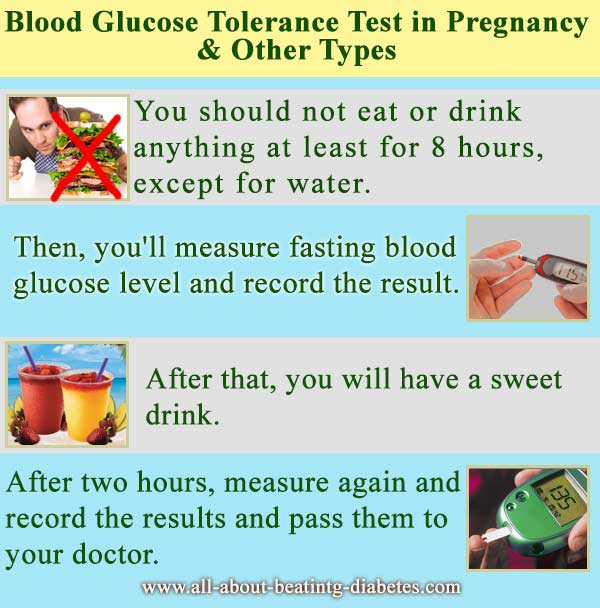

An oral glucose tolerance test measures your blood sugar before and after you drink a glucose solution.
For most nonpregnant adults, the standard test uses a drink containing 75 grams of glucose. This is prepared by the laboratory or clinic. Do not prepare your own sugar drink at home unless your healthcare provider specifically tells you to do so.
The test usually starts after an overnight fast. First, your fasting blood glucose is measured. Then you drink the glucose solution. Your blood sugar is checked again later, often at 2 hours.
The 2-hour result is important because it shows how well your body clears glucose from the blood after a controlled glucose load.
Why is the glucose tolerance test done?
Your doctor may recommend an oral glucose tolerance test if:
- Your fasting blood sugar is borderline or higher than expected.
- Your A1C result does not fully explain your symptoms.
- You have risk factors for type 2 diabetes.
- Your doctor wants to check for prediabetes or impaired glucose tolerance.
- You are pregnant and need screening or diagnostic testing for gestational diabetes.
- There is concern that your body is not handling glucose normally after meals.
Many people with prediabetes or early type 2 diabetes do not feel obvious symptoms. This is why testing can be important, especially when risk factors are present.
Who may need diabetes screening?
Screening decisions should be individualized. In general, adults with risk factors such as overweight, obesity, family history of diabetes, previous gestational diabetes, high blood pressure, abnormal cholesterol, or a history of high blood sugar should ask their doctor when testing is appropriate.
The U.S. Preventive Services Task Force recommends screening for prediabetes and type 2 diabetes in nonpregnant adults aged 35 to 70 years who have overweight or obesity. Screening may be considered earlier in some higher-risk people.
How to prepare for an oral glucose tolerance test
Follow the instructions from your doctor or laboratory. Preparation is important because incorrect preparation can affect the result.
Step-by-Step Instructions Before and During the Test
Common instructions may include:
Usually for at least 8 hours, unless your doctor gives you different instructions.
Water is usually allowed unless your doctor tells you otherwise.
Food can affect your glucose result and may make the test inaccurate.
Smoking may affect how your body responds during testing.
Avoid heavy exercise before or during the test unless your doctor gives different instructions.
Mention any medicines, supplements, recent illness, surgery, stress, or pregnancy.
Some medicines can affect glucose results, but stopping medication without medical advice may be unsafe. Only stop or change a prescribed medicine if your doctor specifically tells you to.
What happens during the test?
The exact procedure can vary by clinic or laboratory, but a standard adult OGTT often follows this pattern:
- You arrive after fasting.
- A fasting blood sample is taken.
- You drink a measured glucose solution.
- You wait in the clinic or laboratory.
- Your blood sugar is measured again, commonly at 2 hours.
During the waiting period, you usually should not eat, drink anything except water, smoke, or exercise. These can affect the result.
Some people feel mild nausea, lightheadedness, or stomach discomfort after the glucose drink. Tell the staff if you feel unwell.
How to read 2-hour oral glucose tolerance test results
For many nonpregnant adults, the 2-hour OGTT result helps doctors understand whether blood sugar response is normal, in the prediabetes range, or in the diabetes range:
Step-by-Step Instructions Before and During the Test
Common instructions may include:
www.all-about-beating-diabetes.com
A result in the diabetes range usually needs confirmation with repeat testing or another approved blood test, unless there are clear symptoms of high blood sugar and your doctor decides confirmation is not needed.
Important: OGTT results are used for diagnosis. They are not the same as daily blood sugar targets for someone already diagnosed with diabetes.
For example, many adults with diabetes may be given a post-meal target such as below 180 mg/dL, but that is a treatment target, not an OGTT diagnostic cutoff. Do not mix these two ideas.
For daily targets, read: pre
What does impaired glucose tolerance mean?
Impaired glucose tolerance means your blood sugar rises higher than normal after a glucose load, but not high enough to meet the usual diabetes range. This is often considered a form of prediabetes.
It does not mean diabetes is guaranteed. It does mean your body may be showing insulin resistance or reduced insulin response. This is a good time to work with your doctor on prevention.
Common next steps may include:
✅ Checking A1C
✅ Repeating fasting glucose
✅ Reviewing weight, waist size, blood pressure, and cholesterol
✅ Improving food choices
✅ Increasing physical activity, if safe for you
✅ Treating sleep, stress, and other metabolic risk factors
✅ Reviewing medicines that may affect glucose
✅ Sometimes considering medication, such as metformin, in selected higher-risk patients
Your plan should be personal. Age, pregnancy status, kidney function, heart risk, medications, weight, family history, and other health conditions all matter.
Glucose tolerance test in pregnancy
Glucose testing during pregnancy is interpreted differently from the standard adult 2-hour OGTT.
Pregnancy testing may involve a 1-hour glucose challenge test first. If that result is high, your doctor may recommend a longer diagnostic glucose tolerance test. In some systems, a 75-gram OGTT is used. In others, a 100-gram, 3-hour test is used.
This is why pregnant women should not use the general adult OGTT table above to diagnose themselves.
If you are pregnant, ask your obstetrician or doctor:
- Which glucose test am I having?
- Do I need to fast?
- What glucose drink amount is being used?
- At what times will blood be checked?
- What cutoff values does this clinic use?
- What should I do if the result is abnormal?
Gestational diabetes is important because it can affect both mother and baby. However, with proper medical care, nutrition guidance, glucose monitoring, and treatment when needed, many women do very well.
Read also: Normal Blood Sugar Levels During Pregnancy.
What can affect the test result?
Several factors can influence the accuracy of an oral glucose tolerance test. These may include as in the following chart:
Factors That Can Affect OGTT Accuracy
The oral glucose tolerance test can be influenced by preparation, health status, medications, and laboratory handling. These factors may affect how your result is interpreted.
Doctor’s note: If your OGTT result does not match your usual glucose pattern, ask your doctor whether the test should be repeated or compared with other tests, such as A1C, fasting blood glucose, or additional laboratory evaluation.
When should you contact a doctor urgently?
Seek urgent medical advice if you have symptoms of very high blood sugar, especially if they are severe or worsening.
Warning Symptoms That May Need Urgent Medical Care
Warning symptoms may include:
- Vomiting
- Severe weakness
- Confusion
- Shortness of breath
- Fruity-smelling breath
- Severe dehydration
- Severe abdominal pain
- Very high glucose readings at home
- Moderate or large ketones, if you have been told to check ketones
Important: These symptoms may require urgent medical evaluation. Do not wait for an online answer if you feel seriously unwell.
Doctor’s Note
The oral glucose tolerance test can be very helpful when fasting glucose or A1C does not give the full picture.
But one number should not be interpreted alone. I always want patients to understand the context: Were you truly fasting? Were you sick? Are you pregnant? Are you taking medicines that affect glucose? Do you have symptoms? What is your A1C? What is your fasting glucose?
If your result is in the prediabetes or diabetes range, do not panic. Use the result as a signal to speak with your doctor and make a clear plan. Early action is often the best protection for your long-term health.
Frequently Asked Questions
Is the oral glucose tolerance test the same as an A1C test?
Is the oral glucose tolerance test the same as an A1C test?
No. A1C estimates your average blood sugar over about 2 to 3 months. The oral glucose tolerance test shows how your body responds to a glucose drink over a shorter period, usually 2 hours.
Do I need to fast before a glucose tolerance test?
Do I need to fast before a glucose tolerance test?
Usually yes for the standard diagnostic OGTT. Many people are asked to fast overnight, often for at least 8 hours. Always follow the instructions from your doctor or laboratory.
Can I do an oral glucose tolerance test at home?
Can I do an oral glucose tolerance test at home?
No. For diagnosis, the test should be done under medical or laboratory supervision using the correct glucose drink, correct timing, and proper blood sample method.
Does a 2-hour glucose result of 200 mg/dL mean diabetes?
Does a 2-hour glucose result of 200 mg/dL mean diabetes?
A 2-hour result of 200 mg/dL or higher may suggest diabetes, but your doctor usually confirms the diagnosis with repeat testing or another approved blood test unless symptoms are clear.
Is 140 mg/dL normal after an oral glucose tolerance test?
Is 140 mg/dL normal after an oral glucose tolerance test?
For many nonpregnant adults, a 2-hour OGTT result below 140 mg/dL is usually considered normal. A result from 140 to 199 mg/dL is usually considered impaired glucose tolerance or prediabetes range.
Is the glucose tolerance test different during pregnancy?
Is the glucose tolerance test different during pregnancy?
Yes. Pregnancy testing may use different glucose amounts, timing, and cutoff values. Pregnant women should follow the instructions of their obstetrician or healthcare provider.
What should I do if my OGTT result is abnormal?
What should I do if my OGTT result is abnormal?
Do not diagnose yourself from one number. Contact your doctor. Ask whether you need repeat testing, A1C, fasting glucose, home glucose monitoring, lifestyle changes, or treatment.
References
- American Diabetes Association. Standards of Care in Diabetes—2026. Diagnosis and Classification of Diabetes.
- Centers for Disease Control and Prevention. Diabetes Testing.
- Mayo Clinic. Glucose Tolerance Test.
- Mayo Clinic. Glucose Challenge Test and Gestational Diabetes Testing.
- U.S. Preventive Services Task Force. Screening for Prediabetes and Type 2 Diabetes.
- OGTT for Obesity & Prediabetes Risk in Children