Saxagliptin (Onglyza) & Alogliptin (Nesina) Use and your Heart!
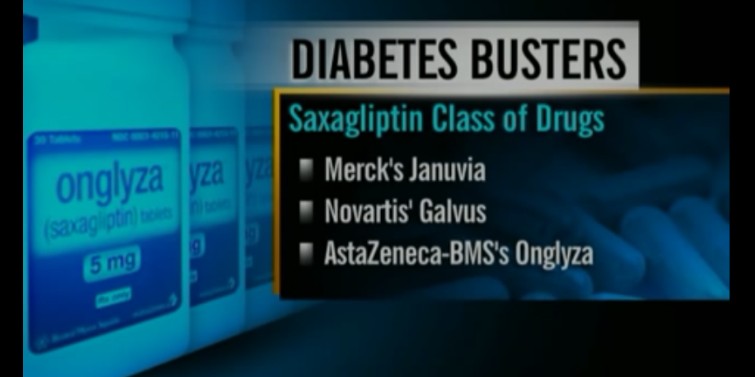

Saxagliptin and Alogliptin are two medications belonging to the class of dipeptidyl peptidase-4 (DPP-4) inhibitors, commonly used in the management of type 2 diabetes. These drugs work by enhancing the body's ability to regulate blood sugar levels.
They inhibit the DPP-4 enzyme, which breaks down incretin hormones like GLP-1 (glucagon-like peptide-1). By preserving these hormones, Saxagliptin and Alogliptin promote insulin secretion and reduce glucagon release, helping to control blood glucose levels.
While both drugs are effective in managing diabetes, recent research has focused on their cardiovascular safety, particularly their effects on heart health.
Written by: Dr. Albana Greca, MD, MMedSc, Family Physician and Medical Author.
Medically reviewed by: Dr. Ruden Cakoni, MD, Endocrinologist.
Last reviewed: July 2026.
Quick Answer
Saxagliptin, sold as Onglyza in some countries, and alogliptin, sold as Nesina in some countries, are DPP-4 inhibitor medicines used to help lower blood sugar in adults with type 2 diabetes.
They can help with glucose control, but they are not usually the first choice when a person with type 2 diabetes also has heart failure, chronic kidney disease, or very high cardiovascular risk. Saxagliptin has been linked with a higher risk of hospitalization for heart failure in a major cardiovascular outcomes trial.
Do not stop saxagliptin or alogliptin on your own. If you have shortness of breath, swelling of the ankles or legs, rapid weight gain, unusual tiredness, kidney disease, or a history of heart failure, speak with your doctor promptly.
Saxagliptin and alogliptin belong to a group of type 2 diabetes medicines called DPP-4 inhibitors. They are sometimes called “gliptins.” These medicines help the body use its own incretin hormones more effectively after meals.
For many patients, DPP-4 inhibitors are attractive because they are taken by mouth, are usually weight-neutral, and have a low risk of low blood sugar when used without insulin or sulfonylureas. However, heart safety matters, especially because type 2 diabetes itself increases the risk of heart disease, stroke, kidney disease, and heart failure.
This page explains what patients should know about saxagliptin, alogliptin, and heart health in clear language.
What Are Saxagliptin and Alogliptin?
Saxagliptin and alogliptin are prescription medicines used along with diet and exercise to improve blood sugar control in adults with type 2 diabetes.
They are not used to treat type 1 diabetes or diabetic ketoacidosis. They are also not a replacement for healthy eating, physical activity, weight management, blood pressure control, cholesterol treatment, or regular diabetes follow-up.
If you are comparing diabetes medicines, our overview of diabetes medications, benefits, and side effects can help you understand how different drug classes fit into a treatment plan.
How DPP-4 Inhibitors Work
After you eat, the gut releases hormones called incretins. These hormones help the pancreas release insulin when glucose is high and help reduce glucagon, a hormone that tells the liver to release glucose.
DPP-4 is an enzyme that breaks down incretin hormones. Saxagliptin and alogliptin block this enzyme, allowing incretin hormones to work longer. The result is usually a modest improvement in blood sugar and HbA1c.
This effect is glucose-dependent, which is one reason DPP-4 inhibitors usually have a lower risk of hypoglycemia than sulfonylureas when used alone. However, if they are combined with insulin or medicines that stimulate insulin release, low blood sugar risk can increase.
Why Heart Safety Matters in Type 2 Diabetes
People with type 2 diabetes are more likely to develop cardiovascular disease. This includes heart attack, stroke, heart failure, kidney disease, and circulation problems. Because of this, a diabetes medicine is not judged only by how much it lowers glucose.
Doctors also ask: Does this medicine reduce heart risk? Is it neutral for the heart? Could it worsen heart failure in some patients? Does the patient already have kidney disease, swelling, shortness of breath, or a history of hospitalization for heart failure?
For patients with diabetes and existing complications, our page on diabetes complications gives a broader view of why heart, kidney, eye, nerve, and foot risks must be managed together.
Saxagliptin and Heart Failure Risk
The main heart concern with saxagliptin is hospitalization for heart failure. In the SAVOR cardiovascular outcomes trial, more patients taking saxagliptin were hospitalized for heart failure compared with placebo.
This does not mean saxagliptin causes heart failure in every patient. It means that people with known heart failure risk factors need careful review before starting or continuing saxagliptin.
Patients at higher concern may include those with:
- A history of heart failure
- Kidney disease or reduced kidney function
- Shortness of breath when lying down
- Swelling of the feet, ankles, or legs
- Rapid unexplained weight gain
- Repeated hospitalizations for heart or kidney problems
If you are taking saxagliptin and notice swelling, breathing difficulty, or rapid weight gain, do not ignore it. These symptoms may be related to heart failure and need medical review.
Alogliptin and Heart Safety
Alogliptin has also been studied for cardiovascular safety. It did not show an increase in major cardiovascular events such as cardiovascular death, nonfatal heart attack, or nonfatal stroke in its major trial population. However, its label still warns patients to tell their doctor if they have heart failure or kidney problems and to report symptoms that may suggest heart failure.
In practical terms, alogliptin may be reasonable for some patients, but it still requires caution in people with heart failure, kidney disease, swelling, or shortness of breath.
If kidney function is reduced, the dose of some diabetes medicines may need adjustment. Patients with diabetes and kidney concerns may also want to review our guide to diabetes and kidney health.
Are Saxagliptin and Alogliptin Heart-Protective?
No. Saxagliptin and alogliptin are mainly glucose-lowering medicines. They have not shown the same heart and kidney protective benefits that are seen with some SGLT2 inhibitors or GLP-1 receptor agonists in selected high-risk patients.
This is important because modern type 2 diabetes care is no longer based only on HbA1c. If a person has heart failure, chronic kidney disease, established cardiovascular disease, or high cardiovascular risk, the doctor may prefer a medicine with proven heart or kidney benefit, if it is safe and appropriate for that patient.
Patients who are reviewing newer treatment options can start with our page on new diabetes medications, then discuss the choices with their own doctor.
Who Should Be Extra Careful?
You should speak with your doctor before using or continuing saxagliptin or alogliptin if you have:
- Heart failure or previous heart failure hospitalization
- Kidney disease or reduced eGFR
- Swelling of the legs or feet
- Shortness of breath, especially when lying down
- A history of pancreatitis
- Severe joint pain after starting a DPP-4 inhibitor
- Blisters, rash, peeling skin, or allergic reactions
- Use of insulin or sulfonylureas, because low blood sugar risk may be higher
This does not mean every patient with these risks must stop the medicine. It means the choice should be individualized and monitored.
Possible Side Effects Patients Should Know
DPP-4 inhibitors are often well tolerated, but patients should know the important warning signs. Call your doctor if you develop symptoms of heart failure, severe abdominal pain, severe joint pain, rash, blisters, or signs of an allergic reaction.
Possible concerns include:
- Heart failure symptoms in susceptible patients
- Pancreatitis symptoms, such as severe abdominal pain that may go to the back
- Low blood sugar when combined with insulin or sulfonylureas
- Severe joint pain
- Skin blisters or bullous pemphigoid-like reactions
- Allergic reactions such as swelling, hives, or trouble breathing
Because diabetes medicines can affect people differently, it is wise to keep a written list of all medicines and supplements you take. Our page on diabetes drug safety and side effects explains why this medication review matters.
Should You Stop Onglyza or Nesina?
No one should stop saxagliptin, alogliptin, insulin, metformin, blood pressure medicine, cholesterol medicine, or any diabetes medicine without medical advice.
Stopping suddenly can worsen blood sugar. Instead, contact your doctor and ask whether the medicine is still the best choice for your heart, kidneys, glucose goals, side-effect risk, and overall treatment plan.
Good questions to ask include:
- Do I have any heart failure risk factors?
- Is my kidney function normal?
- Is this medicine still the best choice for my diabetes?
- Would an SGLT2 inhibitor or GLP-1 receptor agonist be more appropriate for me?
- Do I need a dose adjustment because of kidney function?
- What symptoms should make me call urgently?
Important Safety Note
Call your doctor promptly if you develop increasing shortness of breath, trouble breathing when lying down, swelling of the feet, ankles, or legs, unusual tiredness, or rapid unexplained weight gain. Seek urgent medical help for chest pain, severe breathing difficulty, fainting, stroke symptoms, severe allergic reaction, or severe abdominal pain.
Doctor’s Note
Saxagliptin and alogliptin can be useful glucose-lowering medicines for some people with type 2 diabetes, but they are not heart-protective medicines. In patients with heart failure, kidney disease, or high cardiovascular risk, the diabetes treatment plan should be reviewed carefully and compared with newer options that may provide heart or kidney benefit.
Most Asked Questions
Does saxagliptin increase heart failure risk?
Saxagliptin has been linked with a higher risk of hospitalization for heart failure in a major cardiovascular outcomes trial. Patients with a history of heart failure or kidney disease should discuss risks and benefits with their doctor.
Is alogliptin safer for the heart than saxagliptin?
Alogliptin did not show an increase in major cardiovascular events in its major trial, but its label still includes heart failure warnings. It should be used with caution in patients with heart failure symptoms or kidney disease.
Are DPP-4 inhibitors good for people with heart disease?
DPP-4 inhibitors mainly lower glucose. They are not usually chosen for heart protection. In people with established cardiovascular disease, heart failure, or kidney disease, doctors often consider SGLT2 inhibitors or GLP-1 receptor agonists when appropriate.
Can I stop Onglyza or Nesina if I am worried?
No. Do not stop diabetes medicine without medical advice. Call your doctor and ask whether your medicine should be continued, adjusted, or changed based on your heart, kidney, and glucose profile.
Educational safety note: This page is for general diabetes education only. It does not replace medical advice, diagnosis, or treatment. Do not start, stop, or change saxagliptin, alogliptin, insulin, metformin, heart medicines, kidney medicines, supplements, diet, or exercise without speaking with your healthcare provider.
Related Resources
- Diabetes medications: benefits and side effects
- Diabetes drug safety and side effects
- New diabetes medications
- Diabetes complications
- Diabetes and kidney disease