- Home
- blood sugar levels
- normal glucose reading
Normal Blood Glucose Reading:
What Your Blood Sugar Numbers Mean
Written by: Dr. Albana Greca Sejdini, MD, MMedSc
Medically reviewed by: Dr. Ruden Cakoni, MD, Endocrinologist
Last medically reviewed: July 2026
A normal blood glucose reading depends on when you check your blood sugar. Your result may be different before eating, after eating, in the morning, at bedtime, during illness, or after physical activity. This is why one number alone does not always tell the full story.
As I explain to my patients, blood sugar control is best understood by looking at patterns over time. A single high or low reading may happen because of food, stress, poor sleep, illness, exercise, or medication timing. But repeated readings outside your target range should not be ignored.
Your doctor may look at your fasting glucose, after-meal glucose, A1C result, symptoms, medicines, meals, activity level, and general health before deciding whether your diabetes plan needs adjustment.
This page will help you understand common blood glucose targets for many adults with diabetes, what may affect your readings, when blood sugar may be too high or too low, and when to contact your doctor.
Quick Answer: Normal Blood Glucose Reading
For many nonpregnant adults with diabetes, common blood sugar targets are:
- Before meals: 80–130 mg/dL
- 1–2 hours after meals: less than 180 mg/dL
- Low blood sugar: below 70 mg/dL
- A1C goal: often less than 7%, if safe and appropriate
Your personal target may be different, especially if you are pregnant, older, a child, have kidney or heart disease, or have frequent low blood sugar. Always follow the target range recommended by your doctor.
What is a Healthy Range for Glucose Reading?
A healthy glucose reading depends on when you check your blood sugar. In many adults without diabetes, fasting blood sugar is usually below 100 mg/dL. For many adults living with diabetes, a common target before meals is about 80–130 mg/dL, and less than 180 mg/dL about 2 hours after eating. However, your personal target may be different.
As I explain to my patients, one reading alone does not always show the full picture. Blood sugar can change with meals, stress, sleep, illness, exercise, and medication. What matters most is the pattern over time.
If your readings are often higher or lower than your target range, do not ignore them. Keep a blood sugar log and discuss the results with your doctor. Repeated low readings below 70 mg/dL or very high readings with symptoms need medical attention. Your doctor can help adjust your plan safely.
Blood Glucose Table for Diabetics
| When blood sugar is checked | Common target in mg/dL | Common target in mmol/L |
|---|---|---|
| Before meals | 80–130 mg/dL | 4.4–7.2 mmol/L |
| 2 hours after meals | Less than 180 mg/dL | Less than 10.0 mmol/L |
| A1C | A1C: Often less than 7% for many nonpregnant adults with diabetes, if safe and appropriate — about 53 mmol/mol. | About 53 mmol/mol |
| Individual target | Should be discussed with your doctor | Should be discussed with your doctor |
Important note: These targets are general goals for many nonpregnant adults with diabetes. They may be different for children, pregnant women, older adults, people with frequent low blood sugar, kidney disease, heart disease, or other medical conditions. Your doctor can help you decide which blood sugar range is safest for you.
Source: www.all-about-beating-diabetes.com
In many adults without diabetes, fasting blood glucose is usually below 100 mg/dL. A fasting result from 100–125 mg/dL may suggest prediabetes, while 126 mg/dL or higher on repeat testing may suggest diabetes and should be confirmed by a doctor.
What affects blood glucose readings?
|
Blood glucose readings can change for many reasons, and this is why one single number does not always tell the full story. Food is one of the main factors. Meals rich in carbohydrates, sugary drinks, sweets, white bread, rice, pasta, potatoes, or fruit juice can raise blood sugar, especially when portions are large. Physical activity can lower blood glucose because your muscles use sugar for energy. However, very intense exercise may sometimes raise it temporarily. Stress, poor sleep, pain, infection, fever, or inflammation can also increase blood sugar because the body releases stress hormones. Medication timing is another important factor. Missed doses, incorrect doses, or changes in insulin or diabetes tablets may affect your readings. Some medicines, such as steroids, can also raise blood glucose. As I explain to my patients, look for patterns, not panic over one unusual result. Check when the reading was taken, what you ate, how you slept, whether you were ill, and whether medication was taken correctly. Repeated high or low readings should be discussed with your doctor. |

When is blood glucose too high?
In people with diabetes, blood glucose may be considered too high when it is repeatedly above the target range set by the doctor. For many adults with diabetes, a common target before meals is about 80–130 mg/dL. About 2 hours after eating, blood sugar is often expected to be less than 180 mg/dL, although individual targets may be different.
As I explain to my patients, one high reading does not always mean danger. Blood sugar can rise after a large meal, stress, poor sleep, illness, pain, infection, missed medication, or reduced physical activity. What matters is whether high readings happen often or come with symptoms.
You should contact your doctor if your blood sugar is repeatedly high, especially with excessive thirst, frequent urination, tiredness, blurred vision, or unexplained weight loss.
Seek urgent medical help if very high blood sugar occurs with vomiting, dehydration, confusion, difficulty breathing, or severe weakness.
When is blood glucose too low?
Blood glucose is usually considered too low when it falls below 70 mg/dL, or below 3.9 mmol/L. In people with diabetes, this is called hypoglycemia. It can happen when there is too much insulin or diabetes medication, delayed or missed meals, smaller food portions, more physical activity than usual, alcohol intake, or illness.
As I explain to my patients, low blood sugar should not be ignored, even if the symptoms seem mild. Common symptoms may include shakiness, sweating, fast heartbeat, hunger, weakness, headache, dizziness, blurred vision, irritability, or feeling anxious. If blood sugar drops further, you may become confused, very sleepy, unable to concentrate, or even lose consciousness.
If you check your blood sugar and it is low, follow the treatment plan given by your doctor. Immediately take a fast-acting carbohydrate, such as glucose tablets or a small amount of juice, then recheck your blood sugar after about 15 minutes.
Call your doctor if low readings happen often. Seek urgent medical help if the person is confused, unconscious, having seizures, unable to swallow, or not improving after treatment.
When to call your doctor?
You should call your doctor when your blood sugar readings are repeatedly higher or lower than your target range. One unusual number may happen because of food, stress, illness, poor sleep, exercise, or medication timing. But repeated abnormal readings need medical attention.
Call your doctor if your blood sugar is often above your recommended range, if fasting readings are repeatedly high, or if after-meal readings stay high. You should also call if your blood sugar falls below 70 mg/dL, especially if this happens more than once or comes with shakiness, sweating, dizziness, weakness, confusion, or fast heartbeat.
As I explain to my patients, symptoms are just as important as numbers. Contact your doctor if you have excessive thirst, frequent urination, blurred vision, tiredness, unexplained weight loss, vomiting, or signs of dehydration.
Seek urgent medical help if very high or very low blood sugar causes confusion, severe weakness, difficulty breathing, fainting, or unconsciousness.
How to achieve normal blood glucose level?
Keeping blood glucose in range is not about being perfect every day. It is about understanding your body, following your treatment plan, and looking for patterns over time.
As I explain to my patients, start with regular blood sugar checks at the times recommended by your doctor. Write down your results, especially fasting readings, before-meal readings, after-meal readings, and any low blood sugar episodes. A simple blood sugar log can help your doctor see what needs to be adjusted.
Food choices are also important. Try to eat balanced meals with controlled portions of carbohydrates, enough protein, vegetables, and healthy fats. Avoid large portions of sugary drinks, sweets, white bread, rice, pasta, potatoes, or fruit juice if they raise your blood sugar.
Physical activity can help your body use glucose better. Even walking after meals may help some people.
Take your diabetes medicine or insulin exactly as prescribed. Do not change doses without medical advice. Sleep, stress, illness, and infection can also affect blood sugar, so repeated high or low readings should always be discussed with your doctor.

Fasting Glucose vs After-Meal Glucose vs A1C
Fasting glucose, after-meal glucose, and A1C all help explain blood sugar control, but they do not measure the same thing.
Fasting glucose is checked after not eating for at least 8 hours, usually in the morning. It shows your baseline blood sugar before food affects the result. If fasting glucose is often high, it may be related to overnight glucose release, insulin resistance, late meals, poor sleep, stress, or medication timing.
After-meal glucose is usually checked about 1–2 hours after eating. It shows how your body responds to food, especially carbohydrates. A high after-meal reading may happen after large portions of bread, rice, pasta, potatoes, sweets, sugary drinks, or fruit juice.
A1C is different. It does not show one moment. It estimates your average blood sugar over the last 2 to 3 months. This helps your doctor understand your longer-term blood sugar pattern.
As I explain to my patients, one test is not enough to understand diabetes control. Fasting glucose, after-meal readings, and A1C work together. Your doctor may use all three to adjust your food plan, activity, medicine, or insulin safely.
Related Tools and Calculators
We created these tools and calculators to help you better understand your blood sugar numbers and discuss them more clearly with your doctor.
- HbA1c to Average Glucose Calculator: HbA1c to Average Glucose Calculator helps you convert your A1C result into an estimated average blood glucose level. This makes it easier to understand what your A1C means in daily blood sugar numbers. It is useful for tracking long-term diabetes control and discussing your results with your doctor.
- Blood Tests for Diabetes: Blood Tests for Diabetes explains the main tests doctors use to diagnose and monitor diabetes, including fasting blood glucose, A1C, oral glucose tolerance test, and sometimes random blood sugar. It helps patients understand what each test measures, why it is done, and how results guide diabetes care.
- Printable Diabetic Blood Sugar Chart: Printable Diabetic Blood Sugar Chart helps you record and follow your daily blood sugar readings, including fasting, before-meal, after-meal, bedtime, and low blood sugar episodes. It is a practical tool to see patterns over time and share your results with your doctor for safer diabetes management.
- Blood Sugar Log Sheet: This printable sheet helps you track your daily glucose readings, including fasting, before meals, after meals, bedtime, and low blood sugar episodes.
- Online Diabetes Calculators help you better understand important diabetes numbers, such as A1C, estimated average glucose, insulin dose, carbohydrates, BMI, and diabetes risk. These tools can support daily diabetes education, but results should always be discussed with your doctor before making treatment changes.
Take Home Tips
Lifestyle choices can strongly influence blood glucose control and overall health. Limiting or avoiding alcohol, stopping smoking, and learning how to manage stress are important steps for many people living with diabetes.
Regular physical activity can help the body use glucose more effectively and may support better blood sugar control. Simple habits such as walking, stretching, and deep breathing exercises may also help reduce stress and improve daily well-being.
Diet is another key part of diabetes care. A healthier eating pattern should focus on balanced meals, controlled carbohydrate portions, vegetables, lean protein, healthy fats, and high-fiber foods. It is also helpful to reduce highly processed foods, sugary drinks, sweets, and refined carbohydrates, especially when they raise blood sugar.
Natural, minimally processed foods can be a better choice in many cases, but “natural” does not always mean safe or suitable for every person with diabetes. The best approach is to choose foods wisely, monitor your blood sugar response, and discuss major diet changes with your doctor or dietitian.
References:
- American Diabetes Association. Standards of Care in Diabetes — Glycemic Goals, Hypoglycemia, and Hyperglycemic Crises.
- American Diabetes Association. Checking Your Blood Sugar.
- Centers for Disease Control and Prevention. Diabetes Testing.
- National Institute of Diabetes and Digestive and Kidney Diseases. Low Blood Glucose, also called Hypoglycemia.
Related videos
You might like these
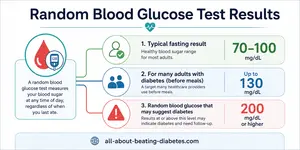
Random Blood Glucose Test: Results, Ranges and Meaning
Learn what a random blood glucose test means, how to read random blood sugar results, when 200 mg/dL may suggest diabetes, and when to call your doctor.
What Blood Sugar Level Is Dangerous? When to Go to the Hospital
Learn what blood sugar levels may be dangerous, including severe highs and lows, DKA and HHS warning signs, and when to go to the hospital.
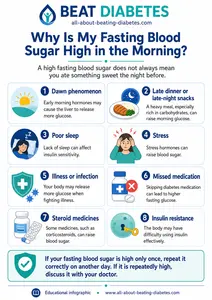
Normal Fasting Blood Sugar Levels Chart
Learn normal fasting blood sugar levels, what high morning glucose may mean, and when to call your doctor for safe medical advice.