HbA1c Explained: What HbA1c Means, What Is a Good Level, and How It Relates to Blood Sugar?
Written by: Dr. Albana Greca Sejdini, MD, MMedSc
Medically reviewed by: Dr. Ruden Cakoni, MD, Endocrinologist
Last medically reviewed: July 2026
HbA1c is a simple blood test that gives us important information about your average blood sugar level over the past 2 to 3 months. Unlike a single glucose reading, which shows your blood sugar at one specific moment, HbA1c reflects your longer-term exposure to glucose. This makes HbA1c very useful for understanding your risk of diabetes, helping confirm a diagnosis, and monitoring how well diabetes is being controlled over time.
You will find a clear explanation of what HbA1c means, which levels are considered normal or high, how the result is estimated, and how it connects with your daily blood sugar readings. Understanding your HbA1c can help you work more closely with your doctor to make informed decisions about nutrition, physical activity, medication, and long-term diabetes prevention or control.
What is HbA1c in simple terms?
HbA1c, also known as glycated hemoglobin, is a blood test that shows how much sugar has been attached to your red blood cells. When glucose stays in the blood, some of it naturally sticks to hemoglobin, the protein inside red blood cells that carries oxygen.
Because red blood cells live for about 2 to 3 months, the HbA1c test gives a more stable picture of your average blood sugar during this period. It does not show only what happened today or yesterday. Instead, it helps us understand how your blood sugar has been behaving over time.
This is why HbA1c is one of the most important tests for checking diabetes risk, diagnosing diabetes, and following how well blood sugar is controlled.
How HbA1c is calculated (and what eAG means)
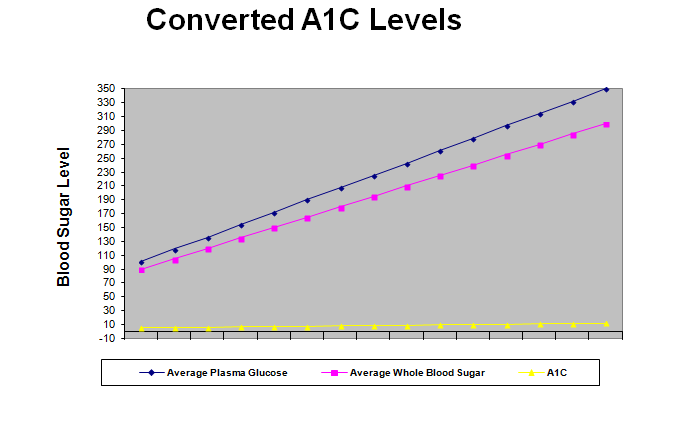
HbA1c represents the percentage of hemoglobin coated with glucose. Doctors often convert HbA1c into estimated average glucose (eAG) to make results easier to understand.
HbA1c vs daily blood sugar readings
HbA1c and daily blood sugar readings are both important, but they do not tell us exactly the same thing.
Daily blood sugar readings show your glucose level at a specific moment. They can change from hour to hour depending on what you eat, how active you are, your stress level, illness, sleep, and the medication you take. These readings are very helpful for making daily decisions, such as adjusting meals, checking the effect of exercise, or understanding why you may feel symptoms of high or low blood sugar.
HbA1c gives a broader picture. It reflects your average blood sugar level over the past 2 to 3 months and is not strongly affected by one single high or low reading. For this reason, doctors use HbA1c to help diagnose diabetes and prediabetes, monitor long-term glucose control, assess the risk of diabetes-related complications, and guide treatment decisions.
In simple terms, daily glucose readings help you understand what is happening today, while HbA1c helps you understand the overall direction of your blood sugar control over time. Both are valuable because they answer different clinical questions and should be interpreted together with your doctor.

What is considered a good HbA1c level?
The table below gives a general clinical interpretation of common HbA1c ranges.
| HbA1c Result | General Interpretation | What It May Mean | Recommended Next Step |
|---|---|---|---|
| Below 5.7% | Normal range | Your blood sugar control is generally considered within the normal range. | Continue healthy eating, regular physical activity, and routine check-ups, especially if you have risk factors. |
| 5.7% to 6.4% | Prediabetes range | Your blood sugar is higher than normal, but not high enough to be classified as diabetes. | Speak with your doctor about lifestyle changes, weight management, physical activity, and follow-up testing. |
| 6.5% or higher | Diabetes range | This result may indicate diabetes, especially if confirmed by repeat testing or supported by other glucose tests. | Consult your doctor for confirmation, full evaluation, and an individualized treatment plan. |
A good HbA1c level depends on whether you are being tested for diabetes risk, prediabetes, or diabetes control. In general, HbA1c helps us understand how your blood sugar has been behaving over the last 2 to 3 months.
For most adults, the usual clinical reference ranges are:
- Below 5.7% is considered normal.
- From 5.7% to 6.4% suggests prediabetes, meaning blood sugar is higher than normal but not yet in the diabetes range.
- 6.5% or higher may indicate diabetes, especially when the result is confirmed with repeat testing or supported by other blood glucose tests.
For people who already have diabetes, the “best” HbA1c target is not the same for everyone. Many adults with type 2 diabetes are advised to aim for an HbA1c below 7%, but this goal should always be individualized.
Your doctor may recommend a different target depending on your age, general health, other medical conditions, medications, and risk of low blood sugar. The goal is not only to lower the number, but to achieve safe, steady, and realistic blood sugar control that protects your long-term health.
You can start learning about your Good A1C Levels and how to achieve them?
How HbA1c Is Calculated and What eAG Means
HbA1c shows the percentage of hemoglobin in your red blood cells that has glucose attached to it. The higher your blood sugar has been over the past 2 to 3 months, the more glucose attaches to hemoglobin, and the higher your HbA1c result will be.
To make HbA1c easier to understand, doctors may also convert it into estimated average glucose, or eAG. This gives an approximate average blood sugar level in the same unit many patients see on their glucose meter, such as mg/dL.
For example, an HbA1c of 7% is roughly equal to an average glucose level of about 154 mg/dL.
This conversion helps patients better connect their HbA1c result with their daily blood sugar readings. In simple terms, HbA1c gives the long-term picture, while eAG helps translate that picture into numbers that may feel more familiar from everyday glucose testing.
Get more to know more on How to calculate HbA1C.
HbA1c to Average Glucose Calculator — eAG With Interpretation

The HbA1c to Average Glucose Calculator helps you understand what your HbA1c result may mean in everyday blood sugar values.
Instead of looking only at a percentage, this tool shows your estimated average glucose, also called eAG. This makes it easier to connect your HbA1c result with the blood sugar numbers you may see on a glucose meter.
This calculator helps you understand:
- your estimated average glucose level
- how your HbA1c compares with general clinical targets
- whether your result is within the normal, prediabetes, or diabetes range
- what your number may suggest in practical, everyday terms
Many people become worried when their HbA1c result is close to the prediabetes cutoff. For example, an HbA1c of 5.6% is still usually considered within the normal range, but it may be a signal to pay closer attention, especially if you also have risk factors such as:
- family history of diabetes
- excess weight, especially around the abdomen
- insulin resistance
- high triglycerides
- high blood pressure
- low physical activity
Borderline results, such as HbA1c 5.6% to 5.7%, should not be ignored, but they also should not cause panic. They are best understood as an opportunity to act early.
Small changes in nutrition, weight control, daily movement, and follow-up testing can help reduce the risk of progressing toward prediabetes or type 2 diabetes.
This calculator is designed to give you more than just a number. It gives you a clearer interpretation of your result, so you can better understand your glucose control and discuss the next steps with your doctor.
We can give a start hand with our HbA1c to Average Glucose Calculator Online.
A1c 5.6: Is It Prediabetes?
An HbA1c of 5.6% is not classified as prediabetes. In most clinical guidelines, prediabetes begins at HbA1c 5.7% and continues up to 6.4%.
However, an A1c of 5.6% is very close to the prediabetes range. This does not mean you already have diabetes, but it may be a signal that your body is beginning to show early changes in glucose regulation.
For this reason, it is important not to panic, but also not to ignore the result.
What Should You Do With an A1c of 5.6%?
An A1c of 5.6% is an opportunity for early prevention. This is the right time to focus on:
- healthy weight management
- regular walking or physical activity
- reducing refined carbohydrates and sugary drinks
- improving sleep
- checking blood pressure and cholesterol
- repeating blood sugar testing as advised by your doctor
If you have risk factors such as family history of diabetes, abdominal weight gain, insulin resistance, high triglycerides, or high blood pressure, your doctor may recommend closer follow-up.
An HbA1c of 5.6% is still considered normal, but it is close enough to the cutoff that it deserves attention. Early action can help prevent progression to prediabetes or type 2 diabetes.
You can have a more comprehensive detailed explanation on Prediabetic A1C test 5.6.
Fasting glucose vs A1c: which matters more?
Both fasting blood glucose and HbA1c are important tests, but they do not measure the same thing.
Fasting glucose shows your blood sugar level at one specific moment, usually after you have not eaten overnight. It can change from one day to another depending on your meals, stress level, sleep, illness, medication, and physical activity.
HbA1c gives a longer-term view. It reflects your average blood sugar exposure over the past 2 to 3 months and helps doctors understand your overall glucose control and future risk of complications.
In many cases, HbA1c is very useful because it shows the bigger picture. However, it is important to understand that HbA1c is not perfect in every situation.
When HbA1c May Be Less Accurate?
HbA1c may be less reliable if a person has certain medical conditions that affect red blood cells or how glucose attaches to hemoglobin.
This may happen in situations such as:
- anemia or certain blood disorders
- pregnancy
- recent blood loss
- recent blood transfusion
- chronic kidney disease
- chronic liver disease
In these cases, doctors may rely more on fasting glucose, post-meal glucose readings, oral glucose tolerance testing, or home glucose monitoring. The goal is not to depend on only one test, but to choose the test that best reflects the patient’s real health situation.