Blood Sugar Level Control: Safe and Proven Ways to Improve Your Numbers
Keeping your blood sugar within your target range is one of the most effective ways to reduce the risk of diabetes complications and improve your overall health. This guide explains practical, evidence-based strategies to help control blood sugar safely, including healthy eating, physical activity, medication, glucose monitoring, and everyday habits that support long-term diabetes management.
Written by: Dr. Albana Greca, MD, MMedSc, Family Physician and Medical Author.
Medically reviewed by: Dr. Ruden Cakoni, MD, Endocrinologist.
Last reviewed: July 2026.
Quick Answer
Good blood sugar control means keeping glucose within a safe, personalized range while avoiding both repeated highs and low blood sugar. It is not about achieving one “perfect” reading.
The most reliable approach combines accurate monitoring, balanced carbohydrate portions, regular physical activity when safe, correct use of medicines or insulin, healthy weight management when appropriate, adequate sleep, stress management, and a written plan for illness and emergencies.
Blood sugar can change from hour to hour because of food, physical activity, medicines, sleep, stress, illness, hormones, and the body’s natural glucose production. This is why diabetes care should focus on patterns rather than reacting to one isolated result.
Your targets should be agreed with your healthcare team. Two people can have the same HbA1c or glucose reading but need different plans because their age, heart and kidney health, pregnancy status, risk of hypoglycemia, medications, daily routine, and personal preferences may differ.
What Does Good Blood Sugar Control Mean?
Good control does not mean that every result must be identical. It means that most readings are moving toward the range selected for you, severe highs and lows are uncommon, and your treatment supports daily life without creating unnecessary burden or risk.
For many nonpregnant adults with diabetes, commonly used general targets include:
| Measurement | Common general target | Important note |
|---|---|---|
| Before meals | 80–130 mg/dL | Targets may be higher or lower depending on individual needs. |
| 1–2 hours after the start of a meal | Below 180 mg/dL | This is a treatment target for many adults with diabetes, not a diagnostic cutoff. |
| HbA1c | Below 7% for many adults | The goal should be individualized according to benefit, safety, and treatment burden. |
Pregnancy, childhood, older age, kidney disease, heart disease, frequent hypoglycemia, and other medical conditions may require different targets. Learn how to interpret daily patterns in our guide to blood sugar levels by time of day.
1. Check Blood Sugar Correctly
Accurate monitoring is the starting point for blood sugar control. A meter or continuous glucose monitor can show patterns, but only when results are interpreted in context.
- Wash and dry your hands before a finger-stick test.
- Use unexpired strips stored according to the manufacturer’s instructions.
- Record whether the reading was fasting, before a meal, after a meal, at bedtime, during exercise, or during illness.
- Write down food, activity, stress, symptoms, and medication timing.
- Repeat an unexpected meter result after washing your hands.
- Confirm a CGM reading with a finger-stick when symptoms do not match the sensor or the device advises confirmation.
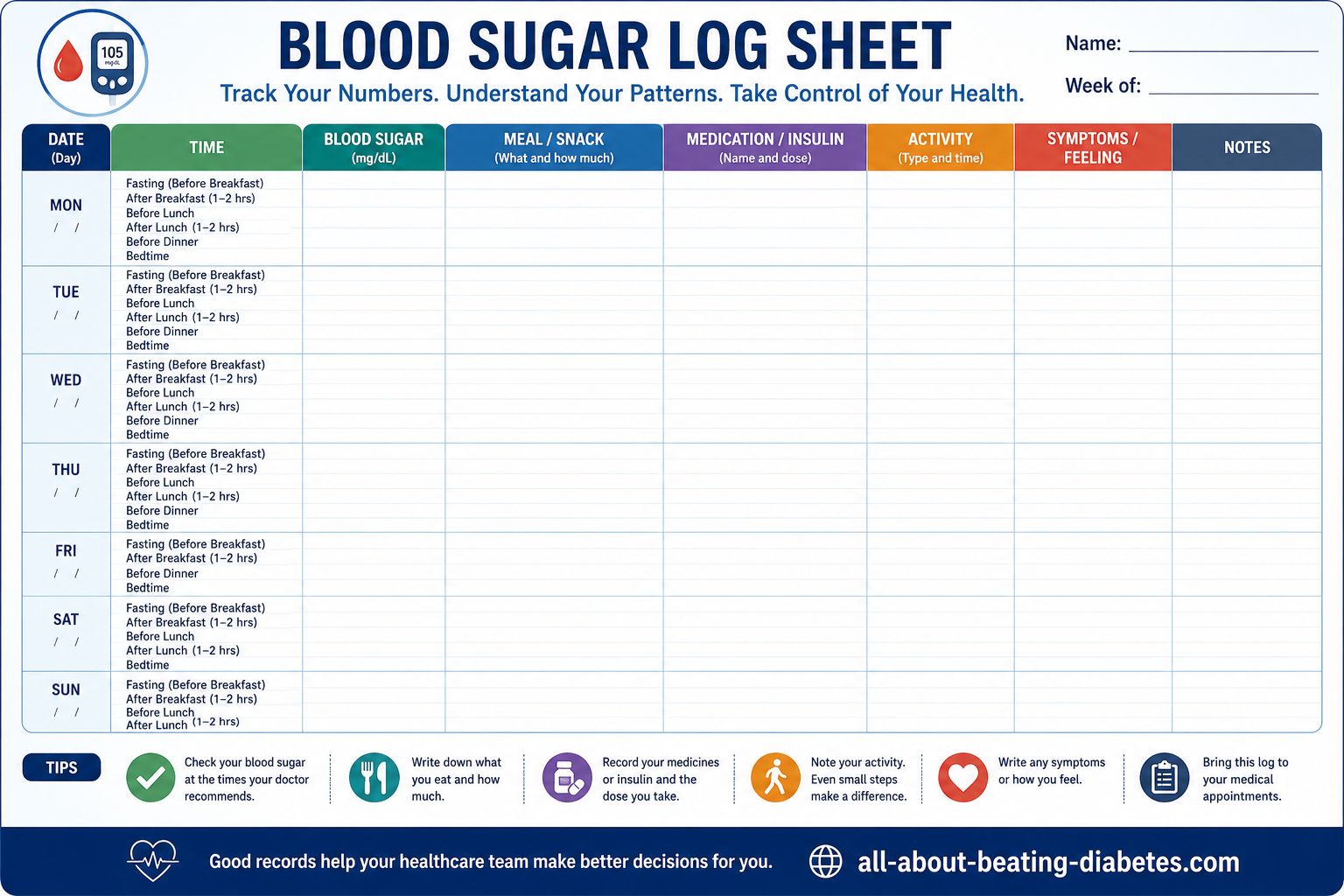
A structured blood sugar log sheet can make appointments more productive and reduce unplanned treatment changes based on isolated readings.
2. Look for Patterns, Not One Number
Ask practical questions when reviewing your results:
- Are fasting readings repeatedly high?
- Does glucose rise after one particular meal?
- Are lows happening after exercise or overnight?
- Do readings rise during stress, pain, poor sleep, or illness?
- Are medicines being taken at the intended time?
- Is there a difference between workdays and weekends?
One unusual result may be caused by a testing problem, an uncommon meal, illness, or missed medicine. Repeated patterns are more useful for deciding whether nutrition, activity, medication, or insulin settings need review.
3. Build Balanced Meals Without Extreme Dieting
Carbohydrates have the greatest immediate effect on after-meal glucose, but they do not need to be eliminated. The goal is to choose suitable types and portions and combine them with fiber, protein, and healthy fats.
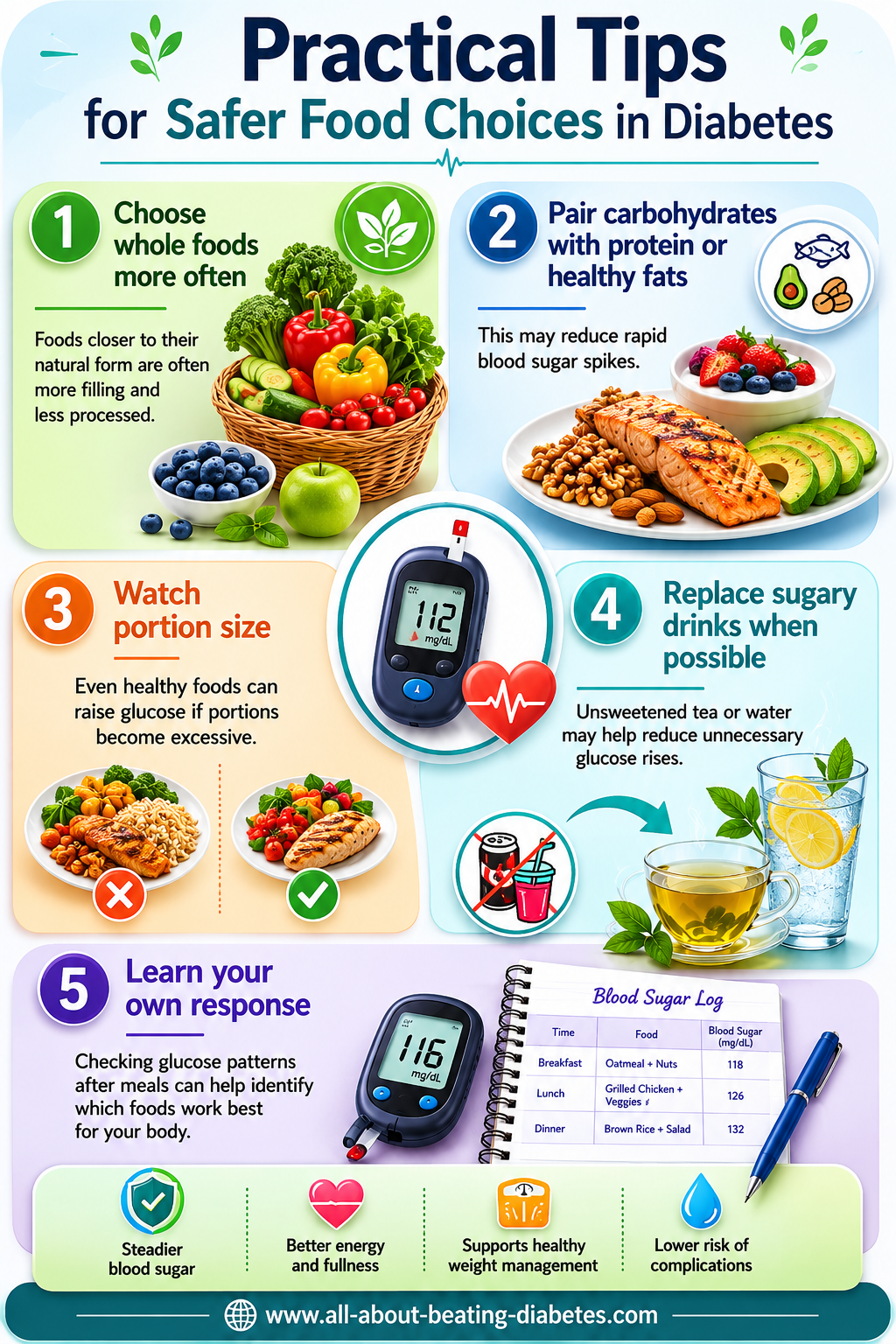
A practical plate can include:
- About half the plate as non-starchy vegetables
- About one-quarter as lean protein
- About one-quarter as a measured carbohydrate food
- A modest amount of healthy fat when appropriate
- Water or another unsweetened drink
Choose vegetables, beans, lentils, whole fruit, plain yogurt, suitable whole grains, fish, eggs, poultry, tofu, nuts, and seeds more often. Limit sugary drinks, large desserts, and oversized portions of refined bread, rice, pasta, or potatoes.
You do not need special “diabetic foods,” detoxes, prolonged fasting, or a diet that promises to cure diabetes. Our guide to carbohydrates and the glycemic index explains how food type and portion size work together.
4. Use Physical Activity Safely
Physical activity can improve insulin sensitivity, lower glucose, support heart health, and help with weight management. For many adults, a long-term goal may include at least 150 minutes of moderate activity each week, spread over several days, plus strength and balance work when appropriate.
Start gradually if you have been inactive. Walking after meals, cycling, swimming, chair exercises, resistance bands, and household activity can all contribute. The safest plan depends on heart health, joint problems, neuropathy, vision, medications, fitness, and hypoglycemia risk.
Check glucose before and after activity when your care plan recommends it. Carry fast-acting carbohydrate if you use insulin or a medicine that can cause low blood sugar.
Exercise warning: Do not use exercise to force down very high glucose when ketones, severe dehydration, vomiting, or insufficient insulin may be present. If glucose is above 240–250 mg/dL, especially during illness, follow your ketone-testing and sick-day instructions. Do not exercise when ketones are present.
5. Take Diabetes Medicines Correctly
Diabetes medicines work in different ways. Some improve insulin sensitivity, some increase insulin release, some reduce liver glucose production, some increase glucose loss through urine, and some support weight, heart, or kidney goals.
Do not skip, double, stop, or change a medicine because one reading is high or low. Bring a complete medication list to appointments and discuss side effects, cost, missed doses, and practical difficulties honestly.
If you use insulin:
- Check the insulin name, strength, dose, and timing.
- Confirm that it has not expired, frozen, or overheated.
- Rotate injection sites.
- Avoid repeatedly injecting into hard, lumpy, or thickened skin.
- Use the injection technique taught by your diabetes team.
- Inspect pump sites, tubing, cartridges, and cannulas when readings rise unexpectedly.
Our overview of diabetes medications, benefits, and side effects explains why treatment should be individualized rather than chosen from one glucose number.
6. Understand High Morning Blood Sugar
Morning glucose may be high because of the dawn phenomenon, a late or large evening meal, insufficient medication, poor sleep, stress, illness, steroid treatment, or overnight low glucose followed by a rebound pattern.
Do not automatically increase nighttime medicine without reviewing the pattern. Check bedtime and morning readings, and sometimes an overnight reading or CGM trace, according to your clinician’s advice.
Read more about why blood sugar may be high in the morning.
7. Address Sleep, Stress, and Daily Routine
Poor sleep, sleep apnea, chronic stress, pain, shift work, and depression can make diabetes harder to manage. Stress hormones may raise or lower glucose unpredictably, and fatigue can make meal planning, activity, and medication routines more difficult.
Helpful steps may include:
- Keeping regular sleep and wake times
- Asking about sleep apnea if you snore loudly or feel very sleepy during the day
- Using breathing exercises, counseling, social support, or another healthy stress strategy
- Preparing medicines, meals, and glucose supplies in advance
- Seeking support for diabetes distress rather than blaming yourself
8. Manage Weight Without Crash Dieting
For some people with type 2 diabetes, sustained weight loss can improve glucose, blood pressure, mobility, sleep, and fatty liver disease. The appropriate goal depends on starting weight, age, medications, nutrition, and other health conditions.
A safe plan should preserve muscle and adequate nutrition. Avoid crash diets, unmonitored fasting, laxatives, and supplements promoted as rapid diabetes cures. People who are pregnant, underweight, frail, or living with an eating disorder need specialized guidance.
9. Have a Written Sick-Day Plan
Infection, fever, pain, surgery, vomiting, and dehydration can make glucose rise even when you are eating less. Some people may also develop low glucose because they cannot eat normally.
Your written sick-day plan should explain:
- How often to check glucose
- When to test blood or urine ketones
- Which medicines to continue
- How to maintain fluids and carbohydrate intake
- When to call your care team
- When to seek emergency treatment
Do not stop basal insulin unless the clinician managing your diabetes gives specific instructions. During illness, CDC guidance recommends more frequent monitoring and continued medication according to the personal plan.
10. Know the Signs of High and Low Blood Sugar
Low blood sugar
For many people with diabetes, glucose below 70 mg/dL is low and should be treated promptly according to the personal hypoglycemia plan. A reading below 54 mg/dL is clinically significant.
Symptoms may include shaking, sweating, hunger, dizziness, fast heartbeat, confusion, weakness, or unusual behavior. Severe hypoglycemia can cause seizures or unconsciousness.
High blood sugar
Symptoms may include thirst, frequent urination, blurred vision, fatigue, dry mouth, and dehydration. Persistent high glucose may mean that food, medication, insulin delivery, illness, or another part of the plan needs review.
Use our guide to determine whether your blood sugar may be too high or too low.
When to Contact Your Doctor
Contact your clinician or diabetes team when:
- Readings are repeatedly above your target.
- Fasting or after-meal patterns are worsening.
- You have repeated low glucose or a severe low.
- You are missing medicine because of cost or side effects.
- You suspect that insulin, a pen, pump, meter, or CGM is not working correctly.
- You begin steroids or another medicine that may affect glucose.
- You are sick, vomiting, dehydrated, or unable to eat normally.
- You are pregnant or planning pregnancy.
- You do not have a written correction, hypoglycemia, or sick-day plan.
Important Safety Note
Seek urgent or emergency care for confusion, fainting, seizures, loss of consciousness, chest pain, stroke symptoms, repeated vomiting, severe dehydration, deep or difficult breathing, fruity-smelling breath, moderate or large ketones, or very high glucose that does not improve.
Blood sugar over 400 mg/dL requires urgent medical attention, especially when it persists or symptoms or ketones are present. Do not guess extra insulin, stop medicines, or exercise through possible ketoacidosis.
Doctor’s Note
The best diabetes plan is not the most restrictive plan. It is the plan that safely improves your glucose pattern, protects your heart and kidneys, reduces low blood sugar, and remains practical in daily life. Bring your meter, log, medicines, and questions to your appointments so decisions can be based on your full health picture.
Most Asked Questions
What is the fastest safe way to lower blood sugar?
Follow the correction plan prescribed for you, drink water if safe, review missed medicine or insulin-delivery problems, and contact your clinician when the level is very high or does not improve. Do not guess an insulin dose or use exercise when ketones may be present.
Can I control diabetes without medicine?
Some people with early type 2 diabetes may reach targets with nutrition, activity, and weight management, while others need medicine from diagnosis. People with type 1 diabetes require insulin. Do not delay needed treatment.
Why is my sugar high even when I do not eat?
The liver releases glucose between meals and overnight. Insulin resistance, insufficient insulin, illness, stress hormones, steroids, poor sleep, and the dawn phenomenon may increase this release.
How often should I check my blood sugar?
The schedule depends on the type of diabetes, medicines, insulin use, pregnancy, hypoglycemia risk, and whether glucose is stable. Follow the monitoring plan provided by your care team.
Does drinking water lower blood sugar?
Water may help prevent dehydration and support the kidneys, but it does not replace insulin, medication, or emergency treatment. People with heart or kidney disease may need fluid restrictions.
Can stress raise blood sugar?
Yes. Stress hormones can make glucose rise or fall unpredictably. Stress management may help, but repeated high readings still require a review of the full treatment plan.
Educational safety note: This article is for general diabetes education only. It does not replace personal medical advice, diagnosis, or treatment. Do not start, stop, or change insulin, diabetes medicines, supplements, carbohydrate targets, weight-loss plans, or exercise without speaking with your healthcare professional.
Related Questions
- Why Isn’t My Blood Sugar Going Down?
- Why Is Blood Sugar Still High After Insulin?
- Is Fasting Blood Sugar of 126 mg/dL High?
- Is Blood Sugar of 196 mg/dL Two Hours After Eating High?
- At What Blood Sugar Level Should I Go to the Hospital?
Related Resources
- Blood Sugar Levels by Time of Day
- Normal Fasting Blood Sugar Levels
- Blood Sugar Levels After Eating
- HbA1c Explained
- Foods and Drinks for Blood Sugar Control
- Dangerous Blood Sugar Levels
- Blood Sugar Over 400 mg/dL
References
- American Diabetes Association Professional Practice Committee. Glycemic Goals, Hypoglycemia, and Hyperglycemic Crises: Standards of Care in Diabetes—2026.
- Centers for Disease Control and Prevention. Manage Blood Sugar.
- Centers for Disease Control and Prevention. Managing Sick Days.
- Centers for Disease Control and Prevention. Diabetic Ketoacidosis.
- National Institute of Diabetes and Digestive and Kidney Diseases. Managing Diabetes.
- National Institute of Diabetes and Digestive and Kidney Diseases. Healthy Living With Diabetes.
- American Diabetes Association. Hyperglycemia (High Blood Glucose).
Medical Disclaimer
This page is for educational purposes only and does not replace professional medical advice, diagnosis, or treatment.
Always speak with your doctor or qualified healthcare provider before changing your diabetes medication, diet, supplement use, or treatment plan.


|
Disclaimer - SiteMap - About Me - Privacy Policy - Editorial Policy- Contact Us - Search This Site - What's New |
Follow Beating Diabetes Updates
Get new diabetes guides, blood sugar explanations, calculators, and Q&A answers from Dr. Albana Greca. Get diabetes updates by email, RSS, or Telegram |