Diabetic Using Cephalexin after Eye Operation?
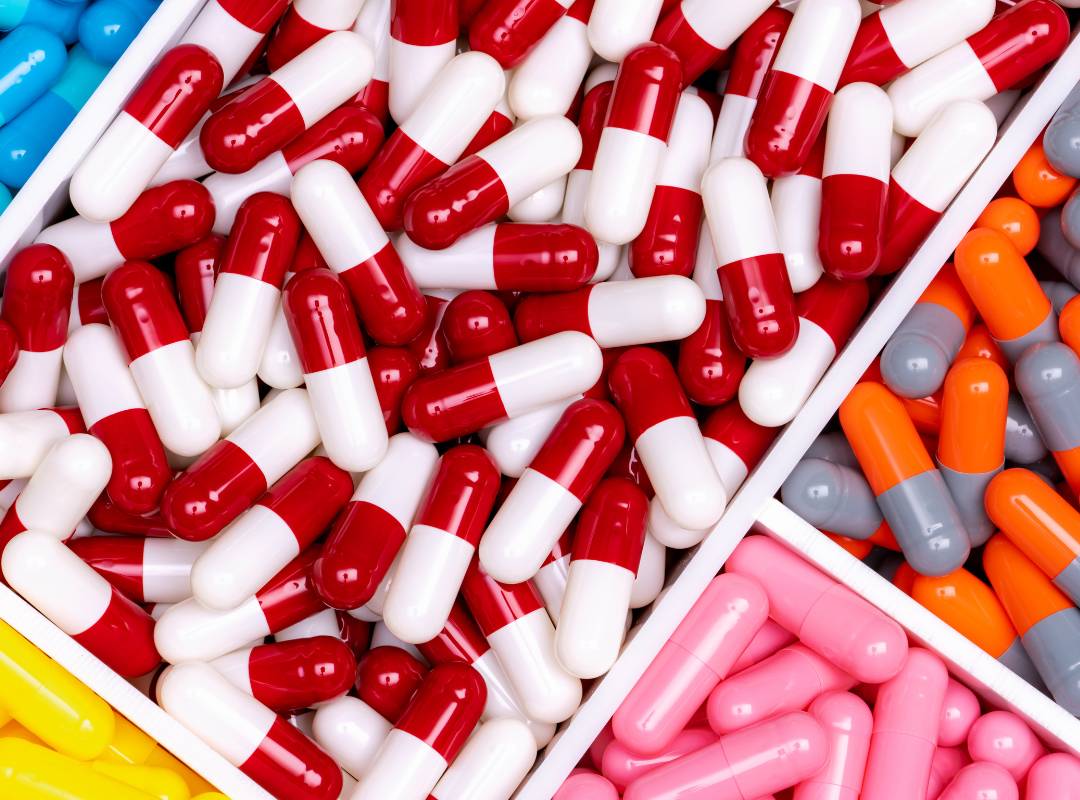

Today, I wanted to share the concern of Rita Zuniga about the increase of her blood sugar after using cephalexin during her eye operation. She was writing: "I had an eye operation on 6-20-13. The doctor prescribed cephalexin. My my blood glucose has increased very much."
Written by: Dr. Albana Greca, MD, MMedSc, Family Physician and Medical Author.
Medically reviewed by: Dr. Ruden Cakoni, MD, Endocrinologist.
Last reviewed: July 2026.
Quick Answer
Cephalexin is not usually a major direct cause of high blood sugar. If blood glucose rises after an eye operation, the more common reasons are surgery stress, inflammation, infection, pain, poor sleep, reduced activity, changes in eating, or steroid eye drops or steroid tablets.
Cephalexin can still matter for people with diabetes. It may increase metformin levels in some patients, and it may cause false-positive urine glucose results with some older urine tests. This is not the same as directly raising blood glucose.
Do not stop cephalexin or eye drops without your eye surgeon’s advice. Monitor your blood sugar closely and call your doctor if readings stay above your target.
Rita asked whether cephalexin caused her blood sugar to rise after an eye operation. This is a common and understandable concern. When a new medicine is started and glucose rises soon afterward, it is natural to suspect the medicine.
However, after surgery, blood sugar can rise for several reasons at the same time. Cephalexin may be part of the medication review, but the operation itself, inflammation, possible infection, steroid eye drops, and recovery stress may be more important. For a more general explanation of this antibiotic, you can also read our page on cephalexin and blood sugar levels.
What Is Cephalexin?
Cephalexin is an antibiotic used to treat or prevent bacterial infection. After an eye operation, a doctor may prescribe it if there is concern about infection risk or if an infection needs to be treated.
Cephalexin is also known by the brand name Keflex in some countries. If your prescription label says Keflex instead of cephalexin, the blood sugar questions are similar. We cover that related topic separately on our page about Keflex and blood sugar levels.
Does Cephalexin Directly Raise Blood Sugar?
Cephalexin is not usually considered a common medicine that directly raises blood glucose. This means that if your glucose rises after eye surgery, the antibiotic should not be blamed automatically.
That said, cephalexin can still affect diabetes management. If you take metformin, your doctor may want closer monitoring because cephalexin may increase metformin concentrations in the body. Cephalexin may also cause a false-positive result on some urine glucose tests. This means the urine test may suggest sugar is present even when the blood glucose situation needs to be checked separately.
This is why fingerstick glucose readings, continuous glucose monitor data, and laboratory blood tests are more useful than urine glucose alone when you and your doctor are trying to understand what is happening after surgery.
Why Blood Sugar Can Rise After Eye Surgery
Surgery is a physical stress. Even a planned eye procedure can trigger stress hormones that tell the liver to release more glucose. This can raise blood sugar temporarily, especially in people who already have diabetes or prediabetes.
Blood sugar after surgery may rise because of:
- Physical stress from the eye operation
- Inflammation or infection
- Pain, anxiety, or poor sleep during recovery
- Reduced walking or less normal daily activity
- Changes in eating after the operation
- Steroid eye drops, steroid injections, or steroid tablets, if prescribed
Steroid eye drops deserve special attention. They are often prescribed after some eye procedures to reduce inflammation, but steroid medicines can raise glucose in some people with diabetes. The effect depends on the strength of the steroid, how often it is used, how long it is used, and how well glucose was controlled before surgery.
Because many medicines can affect glucose differently, patients who are recovering from surgery may also find it useful to review our guide on diabetes drug safety and side effects.
What You Should Do If Your Blood Sugar Rises
Do not stop cephalexin, antibiotic eye drops, steroid eye drops, insulin, metformin, or other diabetes medicines without medical advice. Stopping treatment too early may increase the risk of infection, inflammation, poor healing, or uncontrolled glucose.
The best next step is to collect clear information for your doctor. Write down your fasting blood sugar, after-meal blood sugar, bedtime reading if recommended, and any symptoms. If your readings are changing throughout the day, a simple blood sugar log sheet can help your doctor see whether the pattern is related to meals, steroid drops, missed medication, infection, or recovery stress.
Also make a complete list of everything you are using after surgery, including eye drops. Many patients do not realize that an eye drop may contain a steroid. Ask your eye surgeon directly: “Does any of my eye medicine contain a steroid, and could it affect my blood sugar?”
When to Call Your Doctor
Call your eye surgeon or diabetes doctor promptly if your fasting blood sugar is repeatedly above your usual target, your after-meal readings are often high, or your glucose is above 250 mg/dL while you are recovering from surgery.
If you use insulin or have been told you are at risk for ketones, ask whether you should check urine ketones or blood ketones when glucose is high. Patients who are unsure whether a reading is only mildly high or potentially dangerous can compare their numbers with our guide on when blood sugar is too high or too low.
Eye Surgery, Diabetes, and Healing
Good blood sugar control matters during healing. High glucose can make it harder for the body to fight infection and repair tissues. This does not mean every temporary high reading causes a complication, but repeated high readings after surgery should be discussed with your medical team.
If you had eye surgery because of a diabetes-related eye problem, regular follow-up is especially important. Diabetes can affect the retina, blood vessels, and healing process. You can learn more about this in our overview of diabetic eye problems.
Do Not Blame Only One Medicine
After an operation, high blood sugar rarely has only one possible explanation. The correct approach is to review the antibiotic, eye drops, steroid use, infection risk, food intake, activity level, sleep, pain, and diabetes medicines together.
This is why your blood sugar log and medication list are so important. They help your doctor decide whether you need temporary diabetes medicine adjustment, a change in eye medicines, closer monitoring, or evaluation for infection or another trigger.
Important Safety Note
Seek urgent medical care if high blood sugar comes with vomiting, dehydration, confusion, severe weakness, deep or rapid breathing, fruity-smelling breath, chest pain, trouble breathing, ketones, worsening eye pain, sudden vision loss, fever, pus, or signs of eye infection.
Doctor’s Note
Cephalexin is not the most likely direct cause of high blood sugar after eye surgery. Surgery stress, infection, inflammation, reduced activity, and steroid eye drops are often more important. Review all medicines with your eye surgeon and diabetes doctor before changing anything.
Most Asked Questions
Can cephalexin cause high blood sugar?
Cephalexin is not usually a common direct cause of high blood sugar. After surgery, glucose may rise because of stress, infection, inflammation, reduced activity, or steroid medicines.
Can cephalexin affect urine glucose tests?
Yes. Cephalexin may cause a false-positive urine glucose result with some tests. This does not always mean that blood glucose is truly high. If urine glucose and blood glucose do not match, ask your doctor which result should guide your care.
Can steroid eye drops raise blood sugar?
Steroid eye drops may raise blood sugar in some people with diabetes, especially when stronger steroids are used, treatment lasts longer, or glucose was already high before surgery. Ask your eye doctor whether your drops contain steroids.
Should I stop cephalexin if my glucose rises?
No. Do not stop cephalexin without medical advice. Call your doctor and ask whether your diabetes treatment or post-surgery medicines need adjustment.
Educational safety note: This page is for general diabetes education only. It does not replace medical advice from your eye surgeon, endocrinologist, or healthcare provider. Do not stop antibiotics, eye drops, insulin, metformin, or other medicines without medical advice.
Related Questions
- Can cephalexin affect blood sugar?
- Can Keflex affect blood sugar levels?
- Can blood sugar be normal but sugar high in urine?
- How can blood sugar affect healing during surgery?
Related Resources
- Diabetes drug safety and side effects
- Blood sugar levels by time of day
- Blood sugar log sheet
- Diabetic eye problems
- Dangerous blood sugar levels