Bariatric surgery as treatment of type 2 diabetes
Answer by Dr. Albana Greca, MD, MMedSc
Hello,
Metabolic surgery is an established treatment option for selected people with type 2 diabetes and obesity. Its benefits extend beyond weight loss and may include better glucose control, insulin sensitivity, blood pressure, fatty liver disease, sleep apnea, and cardiovascular risk.
What Does the Surgery Change?
The two common operations are sleeve gastrectomy, which creates a smaller sleeve-shaped stomach, and Roux-en-Y gastric bypass, which creates a small stomach pouch and reroutes part of the small intestine. The choice depends on reflux, diabetes, other health conditions, and surgical assessment.
How Can It Improve Diabetes?
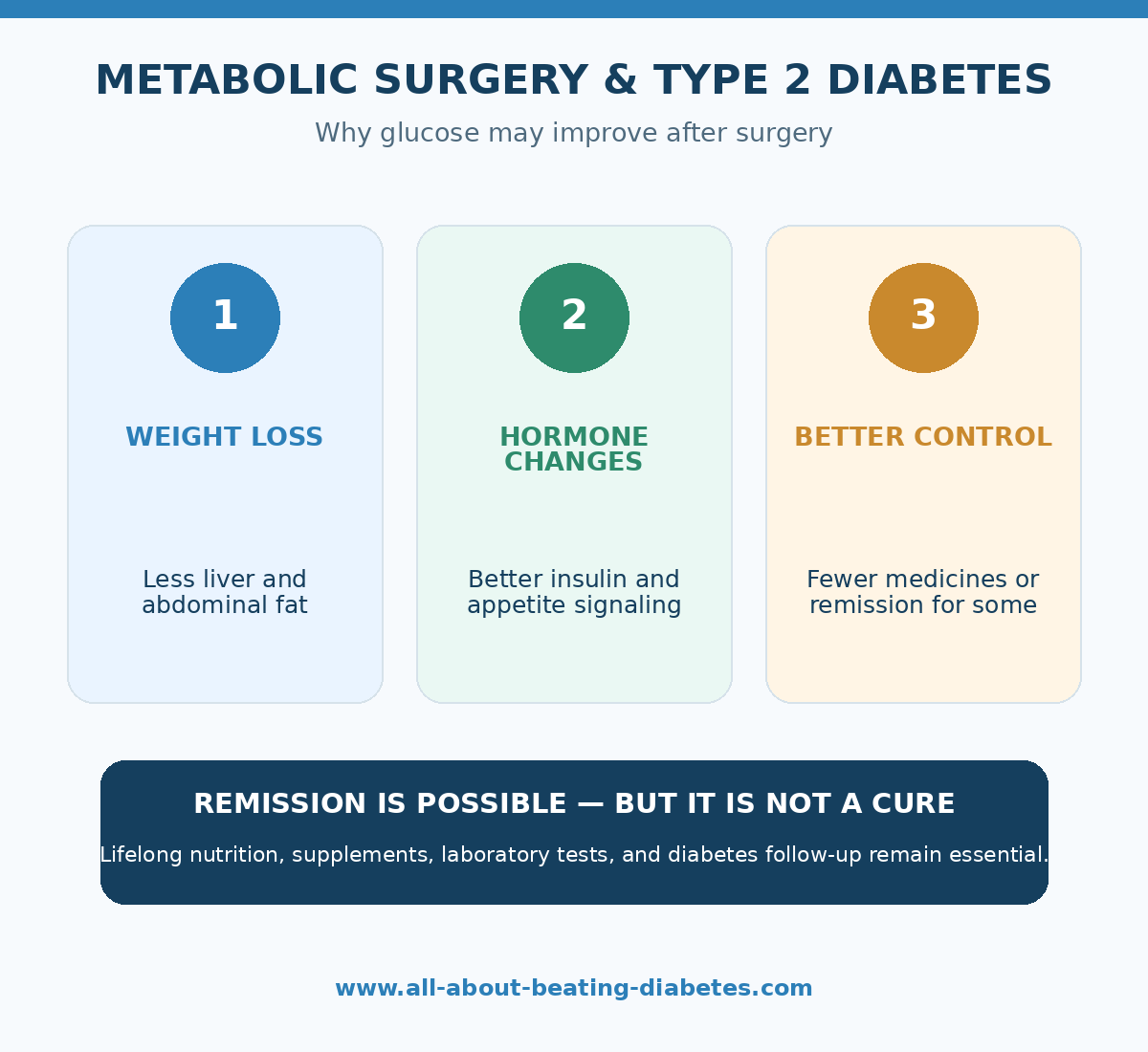
Metabolic surgery improves diabetes through several connected effects:
- substantial and sustained weight loss;
- less liver and abdominal fat;
- better insulin sensitivity;
- changes in gut hormones that influence insulin, glucagon, hunger, and fullness;
- lower calorie intake and altered food delivery through the digestive tract;
- improved beta-cell function in some people.
Glucose may improve within days after gastric bypass, before major weight loss, because calorie intake and gut-hormone signaling change quickly. Longer-term benefit is strongly linked to sustained weight loss and improved insulin resistance.

Who May Be Considered?
Current diabetes guidance recommends considering metabolic surgery for suitable adults with type 2 diabetes and BMI of at least 30 kg/m², or at least 27.5 kg/m² for Asian American people. The decision should be made by a multidisciplinary team at an experienced center.
Surgery is generally used to treat obesity and related metabolic disease. It is not normally offered to someone of normal weight simply because diabetes is present,
Age alone does not determine eligibility. Overall health, frailty, heart and lung risk, kidney and liver function, ability to follow lifelong care, and expected benefit are more important. Use our BMI and waist-to-height calculator only as a screening tool—not to decide surgical eligibility.
Who Is More Likely to Reach Remission?
Remission is generally more likely with shorter diabetes duration, lower HbA1c, no insulin requirement, better remaining beta-cell function, and greater postoperative weight loss. People with longer-standing diabetes may still gain important benefits, including better glucose control and fewer medicines.
The pancreas in type 2 diabetes does not usually lose all beta cells through complete “destruction.” Beta-cell function may decline, but the pattern varies. Some people still need insulin after surgery, especially when diabetes has been present for many years.
Remission Is Not a Cure
Remission generally means HbA1c stays below 6.5% for at least three months without glucose-lowering medicine. Surgery can make remission more likely, but diabetes may return with weight regain, aging, illness, or declining beta-cell function.
Even during remission, ongoing HbA1c, kidney, eye, nerve, foot, blood pressure, and cholesterol monitoring remains necessary. Review our type 2 diabetes guide.
Risks and Lifelong Follow-Up
Metabolic surgery is major surgery. Short-term risks include bleeding, infection, blood clots, anesthesia complications, leakage, dehydration, and readmission.
Long-term concerns may include:
- iron, vitamin B12, folate, calcium, vitamin D, or protein deficiency;
- anemia, bone loss, gallstones, reflux, ulcers, or bowel symptoms;
- dumping syndrome or low glucose after meals;
- weight regain, diabetes recurrence, or additional surgery.
Lifelong supplements, blood tests, nutrition care, physical activity, and follow-up with the bariatric team are essential. Pregnancy planning, alcohol, smoking, eating disorders, and mental health should also be reviewed.
How to Decide
A proper assessment reviews BMI and weight history, diabetes duration and treatment, HbA1c, heart and kidney health, sleep apnea, liver disease, reflux, previous weight-management attempts, nutrition, mental health, smoking, medicines, and preferences.
Modern options also include intensive lifestyle treatment and weight-management medicines. The best choice may involve medicine, surgery, or both. Our diabetes medication guide explains individualized treatment.
Educational safety note: This answer provides general education and does not determine whether you are a surgical candidate. Do not change diabetes or weight-management medicine without your healthcare professional.
Related Questions
- Which Type 2 Diabetes Medicine Is Suitable for Me?
- Why Can’t I Lose Weight While Taking Insulin?
- Can Type 2 Diabetes Be Controlled Naturally?
Related Resources
- Type 2 Diabetes Information
- What Is Insulin Resistance?
- Diabetes Medicines: Benefits and Side Effects
- Diabetes Complications and Prevention
Last reviewed: July 2026
Click here to post comments or follow up
Ask the Doctor now? Simply click here to return to Type 2 diabetes information.
Use of Herbal or Allopathic Medicines!
by Varun
(India)
QUESTION: I have a Blood Sugar Level of 135-140 (fasting) and 160-180 (PP) diagnosed recently.
I have started with lifestyle and dietary changes including taking natural medication such as Fenugreek. However, my doctor has prescribed Metformin twice a day.
Is it best to start with Allopathy or should I try to bring the levels down by taking herbal tablets prescribed for Diabetics such as Diabecon?
How successful will that be as compared to Allopathy and for how much time should I wait to see positive results, if any?
ANSWER: Hi Varun,
To my opinion, your blood sugar levels are considered high enough to start lifestyle, diet and herbal treatment as this is the first advice for newly-diagnosed diabetics.
However, if your doctor has prescribed Metformin to you; I cannot give an exact opinion on this as I do lack data of your health status.
Moreover, I cannot say exactly if you could go for Allopathy or Only herbal medicines, because you need to be closely followed by your doctor (I cannot do this).
With regard to the time you might see the results; I can tell you that allopathic medicines (like Metformin) can give faster results than herbal medicines (as they are natural extracts and not drugs).
Therefore, it would need some time (up to 3 months) to entirely see the effects of herbal medicines.
Next, if you are wondering if Diabecon is good for diabetics, I cannot tell it for sure. However, I would advise to see what ingredients does this supplement have.
To my knowledge it contains the extract of many herbs, including Gymnema sylvestre, Bitter Melon, and Aloe vera, which have been proven to lower blood glucose.
The majority of the other herbs I am now aware of (or not known with their Indian names). You can do some more research for their efficacious to control diabetes.
Hope it helped!
Dr.Alba
Click here to post comments or follow up
Ask the Doctor now? Simply click here to return to Type 2 diabetes information.