Diabetic since 2 years wit hb a1c 5.2%, fasting sugar 144 mg/dl, but urinating 10 times a day. Why?
by mr raza
(jeddah saudi arab)
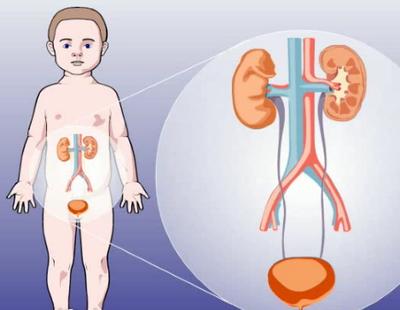

Urinating 10 times in a day-Type 2 diabetes
Quick Answer
An HbA1c of 5.2% does not match a fasting glucose of 144 mg/dL. If 144 was a properly performed laboratory fasting test, it is in the diabetes range and should be repeated or confirmed. The HbA1c may be inaccurate, the glucose test may have been affected by technique or a recent change, or glucose may be rising at times that the HbA1c does not reveal. Urinating 10 times daily may be related to glucose, but urinary infection, prostate enlargement, bladder problems, medicines and fluid or caffeine intake must also be considered.
Answer by Dr. Albana Greca, MD, MMedSc
Hello Mr. Raza,
The two results should be reviewed together. A fasting glucose of 144 mg/dL is high, while an HbA1c of 5.2% usually reflects a much lower average glucose.
What Does Fasting Glucose of 144 Mean?
A fasting plasma glucose test is taken after at least eight hours without food or caloric drinks:
- Normal: below 100 mg/dL
- Prediabetes: 100–125 mg/dL
- Diabetes range: 126 mg/dL or higher when confirmed
If 144 came from a home meter, repeat it correctly and arrange a laboratory fasting test. Home meters are useful for monitoring but should not be used alone to diagnose diabetes.
See our guide to normal fasting blood sugar levels.
Why Might HbA1c and Glucose Disagree?
HbA1c estimates the previous two to three months, while fasting glucose is one moment in time. A recent rise may appear first in daily readings.
HbA1c may also be falsely low or otherwise unreliable because of:
- recent blood loss, transfusion or increased red-cell turnover;
- some anemias or hemoglobin variants;
- dialysis, erythropoietin treatment or significant kidney disease;
- advanced liver disease;
- differences in laboratory methods.
Hemoglobin variants are more common in people with African, Mediterranean, South Asian or Southeast Asian ancestry. When HbA1c does not match glucose, the clinician may repeat it with an appropriate method or use another measure such as glycated albumin.
Our page on HbA1c and average blood sugar explains the difference.
Important: Do not reduce diabetes treatment because of the HbA1c result until the mismatch has been investigated. A falsely low HbA1c can make glucose control appear better than it is.
Does Urinating 10 Times a Day Mean High Glucose?
Not necessarily. The number alone does not show whether you produce a large urine volume or pass small amounts frequently. Fluid intake, hot weather, caffeine and the amount passed each time matter.
High glucose can increase urination when glucose spills into the urine and pulls water with it. However, fasting glucose of 144 alone does not prove that this is the only cause, because glucose may be higher after meals or at other times.
Other Causes to Check
- Urinary tract infection: burning, urgency, lower-abdominal discomfort, cloudy urine or strong odor may occur.
- Enlarged prostate: weak stream, hesitancy, dribbling, incomplete emptying or nighttime urination are common clues.
- Overactive or diabetic bladder: diabetes-related nerve changes can affect bladder storage or emptying.
- Medicines: water tablets and SGLT2 medicines such as empagliflozin, dapagliflozin or canagliflozin increase urine output.
- High fluid, caffeine or alcohol intake: these can increase frequency.
Persistent urinary symptoms deserve evaluation rather than self-treatment.
What Should Be Checked?
Arrange a medical appointment and bring the HbA1c report, glucose meter, medicine list and a two-to-three-day bladder record. Note how much you drink, how often you urinate, whether the amount is small or large, nighttime trips, urgency, burning and glucose readings.
The clinician may consider:
- repeat laboratory fasting plasma glucose and HbA1c;
- glucose readings before and after meals or a short CGM assessment;
- urinalysis and urine culture when infection is possible;
- kidney function, electrolytes and medication review;
- prostate and bladder assessment when symptoms suggest obstruction;
- evaluation for anemia or a hemoglobin variant if HbA1c remains inconsistent.
The tests used to confirm glucose status are summarized in blood tests for diabetes.
Seek urgent care for fever with back or side pain, vomiting, blood in the urine, inability to urinate, confusion, severe dehydration, or very high glucose with abdominal pain, deep breathing or ketones.
What Not to Do
- Do not begin cinnamon, bitter melon or another herb as treatment for unexplained urinary symptoms.
- Do not change diabetes medicine based only on one HbA1c result.
- Do not begin an intense running program before reviewing your health and current glucose pattern.
- Do not take antibiotics without confirming an infection.
My Advice
Your HbA1c is reassuring only if accurate. Because it conflicts with fasting glucose of 144 mg/dL, repeat the laboratory tests and investigate possible interference.
Frequent urination may be related to glucose, but urinary infection, prostate enlargement, bladder dysfunction, medicines and fluid intake should also be assessed. A urinalysis, kidney review and medication review are reasonable next steps.
Hope this helps.
Dr. Albana Greca
Related Questions
- Can Blood Sugar Be Normal While Urine Sugar Is High?
- Is Fasting Blood Glucose of 126 mg/dL High?
- Is Blood Sugar of 107 or 110 mg/dL High?
Related Resources
References
- NIDDK: The A1C Test and Diabetes
- NIDDK: Diabetes and Bladder Problems
- NIDDK: Bladder Infection in Adults
- MedlinePlus: Frequent or Urgent Urination
Educational only — not personal medical advice. A persistent mismatch between HbA1c and glucose and ongoing urinary symptoms require professional assessment.
Click here to post comments or follow up
Ask the Doctor now? Simply click here to return to Diabetes Test and Levels.