Problem - Fasting blood sugar level 120
by BDSingh
(Renukoot,UP,India)
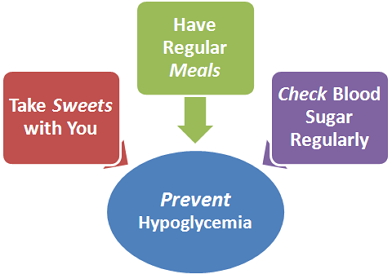

How to prevent hypoglycemia
QUESTION: My wife has diabetes and takes medicine. Her fasting glucose is around 120 mg/dL. About one hour and 45 minutes after breakfast, she suddenly became nervous, sweaty, emotional, and did not want lunch. At 3 PM, her blood pressure was normal and her glucose was 133 mg/dL. The doctor thought she might have had low blood sugar. How can we know and prevent it?
Quick Answer
Sweating, nervousness, shaking, hunger, and sudden behavior changes can occur with hypoglycemia, but symptoms alone do not prove that glucose was low. The glucose needed to be checked during the episode. A reading of 133 mg/dL several hours later cannot confirm or exclude an earlier low. Her medicine should be reviewed promptly, especially if she uses insulin, a sulfonylurea, or a meglitinide. At the next episode, check glucose immediately and treat promptly if it is below 70 mg/dL.
Answer by Dr. Albana Greca, MD, MMedSc
Hi Mr. Singh,
A fasting glucose of 120 mg/dL is within the common premeal target of 80–130 mg/dL for many nonpregnant adults with diabetes. It should not automatically be pushed toward 100 mg/dL if doing so increases hypoglycemia. Targets should reflect her age, medicines, other illnesses, and risk of low glucose.
Was This Definitely Hypoglycemia?
No. The symptoms are compatible with a low, but the glucose was not measured when they occurred. By 3 PM, the episode had passed, and she may have eaten or her liver may have released glucose. A later value of 133 mg/dL therefore does not tell us what the glucose was at 11:45 AM.
Other possible causes of sweating and nervousness include anxiety or a panic episode, dehydration, pain, fever, an abnormal heart rhythm, thyroid problems, or another illness. Recurrent episodes need medical assessment rather than being assumed to be hypoglycemia.
Which Diabetes Medicines Can Cause Lows?
Hypoglycemia is most strongly associated with insulin and medicines that stimulate insulin release, including sulfonylureas such as glimepiride, gliclazide, glipizide, and glyburide, and meglitinides such as repaglinide.
Metformin used alone rarely causes hypoglycemia. Ask the doctor or pharmacist to review the exact medicine name, dose, timing, kidney function, recent changes, and whether breakfast contained enough carbohydrate for that medicine.
What Should She Do During the Next Episode?
She should stop activity, sit somewhere safe, and check glucose immediately with clean, dry hands. If glucose is below 70 mg/dL and she is awake and able to swallow:
- Take about 15 grams of fast-acting carbohydrate, such as glucose tablets or about 4 ounces of regular fruit juice.
- Wait 15 minutes and check again.
- Repeat treatment if glucose remains below 70 mg/dL.
- Once recovered, eat the planned meal or a suitable snack if the next meal is more than about an hour away.
If a meter is not immediately available and symptoms are strongly suggestive of a low in someone using insulin or a sulfonylurea, it is safer
How Can Future Episodes Be Prevented?
- Do not skip or substantially delay meals after taking insulin or a medicine linked with hypoglycemia.
- Keep meal timing and carbohydrate portions reasonably consistent when the medicine requires it.
- Check glucose before driving, prolonged activity, or exercise when her treatment plan advises it.
- Carry glucose tablets or another measured source of fast-acting carbohydrate.
- Record the time, glucose, symptoms, medicine, meal, and activity for every suspected episode.
- Ask whether continuous glucose monitoring would help if lows are recurrent or difficult to recognize.
She does not automatically need five or six small meals every day. Meal frequency should be matched to her medicines, appetite, glucose pattern, and nutrition needs. Unnecessary grazing may make overall glucose control harder.
The Medicine Plan May Need Adjustment
Do not reduce or stop medicine independently after one suspected episode. The clinician should look for a pattern and decide whether the dose, timing, or medicine should change. Kidney disease, weight loss, reduced appetite, illness, increased activity, and interactions with other medicines can increase hypoglycemia risk.
Use a blood sugar log and review our guide to high and low blood sugar.
How Often Should HbA1c Be Checked?
HbA1c does not need to be repeated every one or two months. Many people with stable glucose within target are tested about twice yearly. Testing is often repeated about every three months when treatment has changed, goals are not being met, or frequent low or high glucose is occurring.
Important Safety Note
Call emergency services if she is unconscious, having a seizure, unable to swallow, severely confused, or not improving after treatment. Do not give food or drink to someone who cannot swallow. Ask her clinician whether glucagon should be prescribed and teach close family members how to use it. Recurrent readings below 70 mg/dL, any reading below 54 mg/dL, or any episode requiring another person's help needs prompt treatment review.
Doctor’s Note
The episode may have been hypoglycemia, but it was not confirmed. The most useful next step is to identify her exact diabetes medicine and obtain a glucose reading during symptoms. Her fasting value of 120 mg/dL is not too high for many treated adults and should not be lowered aggressively at the cost of recurrent lows.
Educational safety note: This answer is for general diabetes education only. It does not replace personal medical advice, diagnosis, or treatment. Do not start, stop, or change insulin, diabetes tablets, meal timing, supplements, or exercise without speaking with her healthcare provider.
Related Questions
- What causes frequent low blood sugar in diabetes?
- Are fasting readings below 70 too low?
- Can unusual meter readings be inaccurate?
Related Resources
- Normal fasting blood sugar ranges
- Diabetes medicine safety and side effects
- Dangerous blood sugar levels
Last reviewed: July 2026.
Click here to post comments or follow up
Ask the Doctor now? Simply click here to return to Complications from diabetes.