High sugar in urine but normal blood sugar in children
by Veronica
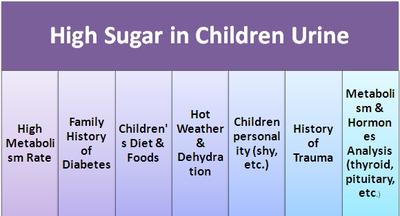

High Sugar in Children Urine
QUESTION: My six-year-old daughter repeatedly has glucose in her urine but no ketones. Her blood glucose, kidney-function tests, ultrasound, and glucose-tolerance test are normal. She takes no medicines and eats a normal diet. What could cause this?
Quick Answer
Persistent urine glucose with normal blood glucose most strongly suggests renal glucosuria. In this uncommon condition, the kidney tubules allow glucose to pass into urine even though blood glucose is normal. Isolated renal glucosuria is usually benign and does not mean the child has diabetes. However, the result should be confirmed with a fresh laboratory urine sample and simultaneous blood glucose, and a pediatric kidney specialist should exclude a broader proximal-tubule disorder such as Fanconi syndrome.
Answer by Dr. Albana Greca, MD, MMedSc
Hi Veronica,
The reassuring part is that her blood glucose and glucose-tolerance test are normal. This makes diabetes much less likely. The old suggestions that sweets, hot weather, concentrated urine, holding urine, or a minor injury cause persistent urinary glucose are not medically accurate.
How Glucose Normally Reaches the Urine
The kidneys filter glucose from the blood and normally reabsorb almost all of it in the proximal tubules. Glucose usually appears in urine when blood glucose is very high. It can also appear when the blood level is normal if the tubules have a lower threshold or cannot reabsorb glucose normally.
Urine glucose should not be used alone to diagnose diabetes. Diagnosis depends on laboratory blood tests such as fasting plasma glucose, HbA1c, or an oral glucose-tolerance test. See our guide to blood tests for diabetes and the blood sugar level chart.
The Most Likely Explanation: Renal Glucosuria
Familial renal glucosuria is usually caused by reduced activity of the SGLT2 glucose transporter in the kidney, often related to a variant in the SLC5A2 gene. The child loses glucose in urine despite normal blood glucose.
Most children with isolated renal glucosuria grow and develop normally and require no glucose-lowering treatment. A normal creatinine and normal ultrasound are reassuring, but they do not test the kidney tubules directly and therefore do not exclude this condition.
First Confirm That the Finding Is Real
Ask for a repeat laboratory urinalysis using a fresh, clean-catch sample together with a blood glucose measurement taken at about the same time. If the glucose was found only on home or office dipsticks, laboratory confirmation matters because exposed strips or contamination with oxidizing cleaning products can occasionally produce a false-positive result.
The clinician may quantify urine glucose rather than relying only on a dipstick grade.
What Else Should Be Excluded?
The main alternative is a broader proximal-tubule problem called Fanconi syndrome. In Fanconi syndrome, the kidneys lose more than glucose; phosphate, bicarbonate, potassium, uric acid, amino acids, and small proteins may also be lost.
Possible warning features include poor growth, excessive thirst or urination, dehydration, muscle weakness, bone pain, fractures, bowed legs, or rickets. Normal routine kidney tests do not always exclude a tubular disorder.
Useful Tests to Discuss
- Repeat urinalysis with simultaneous laboratory blood glucose
- HbA1c if it has not already been checked
- Blood electrolytes, bicarbonate, phosphate, potassium, uric acid, and creatinine
- Urine protein or low-molecular-weight protein, phosphate, calcium, and amino acids when indicated
- Accurate height, weight, growth velocity, blood pressure, and hydration assessment
- SLC5A2 genetic testing when the diagnosis remains uncertain or confirmation would help the family
A referral to pediatric nephrology is reasonable for persistent unexplained glucosuria. Pediatric endocrinology may also help if blood glucose, HbA1c, symptoms, or the diabetes type becomes uncertain. Our diabetes and kidney guide explains the difference between filtration tests and other kidney problems.
Should Her Diet Be Restricted?
No special low-sugar or low-carbohydrate diet is required solely because glucose is present in urine. A six-year-old needs adequate calories and nutrients for growth. Do not remove fruit, milk, grains, or other normal foods unless a pediatric dietitian identifies a separate reason.
Normal hydration is appropriate, but excessive mineral water or forced fluid intake will not correct renal glucosuria. Let thirst guide ordinary drinking unless the pediatrician provides a specific plan.
Does This Mean She Will Develop Diabetes?
Isolated familial renal glucosuria is not diabetes and does not by itself prove that diabetes will develop. Routine pediatric care is sufficient unless symptoms or blood results change. Review type 1 diabetes symptoms and diagnosis rather than monitoring urine sugar alone.
When Does It Need Treatment?
Isolated renal glucosuria usually needs observation rather than medicine. Treatment is required only if another tubular disorder, dehydration, recurrent infection, electrolyte loss, or a separate illness is identified. The family should receive a clear written diagnosis so future clinicians do not mistake the urine result for uncontrolled diabetes.
Important Safety Note
Arrange prompt pediatric review for excessive thirst or urination, new bed-wetting, weight loss, poor growth, vomiting, dehydration, weakness, bone pain, recurrent urinary infections, or abnormal blood glucose. Seek urgent care for difficult breathing, severe drowsiness, confusion, repeated vomiting, significant dehydration, ketones, or very high blood glucose. See our guide to dangerous blood sugar levels.
Doctor’s Note
With repeatedly normal blood glucose and a normal glucose-tolerance test, persistent isolated urine glucose is more consistent with renal glucosuria than diabetes. The next useful step is not stricter food restriction or frequent home blood testing; it is confirmation of true glucosuria and a focused pediatric nephrology evaluation for isolated SGLT2-related glucosuria versus generalized proximal-tubule loss.
Educational safety note: This answer is for general pediatric education only. It does not replace assessment by her pediatrician or pediatric nephrologist. Do not restrict her diet, force fluids, start supplements, or perform repeated fasting tests without professional guidance.
Related Questions
- Can frequent urination in a young child indicate diabetes?
- What does low blood sugar mean in a young child?
- What is a normal blood glucose level for a child?
Related Resources
- Is blood sugar too high or too low?
- Diabetes complications and screening
- Blood sugar levels by time of day
Last reviewed: July 2026.
Click here to post comments or follow up
Ask the Doctor now? Simply click here to return to Type 1 diabetes information.