Diabetic personality changes and disorder?
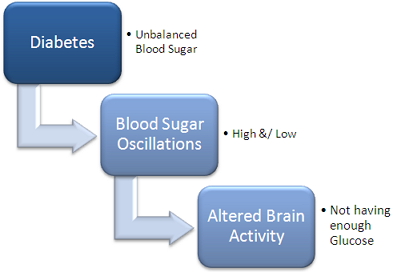

Diabetes Personality Disorders
Answer by Dr. Albana Greca, MD, MMedSc
Hello,
I want to distinguish a temporary behavior change from a diagnosed personality disorder. A person may seem angry, anxious, confused, uncooperative, sleepy, or “not like themselves” when glucose is too low or severely high. This does not mean diabetes permanently changed their personality.
Low Blood Sugar Can Change Behavior Quickly
Hypoglycemia means glucose below 70 mg/dL, or 3.9 mmol/L. Early symptoms include shaking, sweating, hunger, fast heartbeat, anxiety, irritability, and poor concentration. As glucose falls further, the person may become confused, argumentative, clumsy, aggressive, or unable to make safe decisions.
If behavior changes suddenly, check glucose promptly when safe. Symptoms alone cannot reliably distinguish high from low glucose. See our guide to dangerous blood sugar levels.
What to do for a mild low
- If glucose is below 70 mg/dL and the person can swallow safely, follow the diabetes team’s treatment plan.
- A common approach is 15 grams of fast-acting carbohydrate and rechecking after 15 minutes.
- Repeat if still low, then eat a meal or snack when appropriate.
- Review repeated lows with the prescriber.
Emergency warning: Call emergency services if the person is unconscious, having a seizure, unable to swallow, severely confused, violent and unsafe, or not improving. Do not give food or drink by mouth to someone who cannot swallow safely. Use glucagon if it has been prescribed and a trained person is available.
Can High Blood Sugar Affect Mood?
High glucose may cause thirst, frequent urination, headache, blurred vision, weakness, fatigue, poor concentration, irritability, and disturbed sleep. Someone may appear withdrawn or short-tempered.
Severe hyperglycemia can cause dehydration and altered mental status. Confusion, extreme drowsiness, vomiting, abdominal pain, deep or rapid breathing, fruity-smelling breath, seizures, or inability to drink safely may indicate diabetic ketoacidosis or hyperosmolar hyperglycemic state. These are emergencies.
One mood change does not prove glucose is responsible. Record the reading, symptoms, meals, medicine timing, sleep, illness, stress, and what happened after glucose improved. See diabetes blood sugar levels.
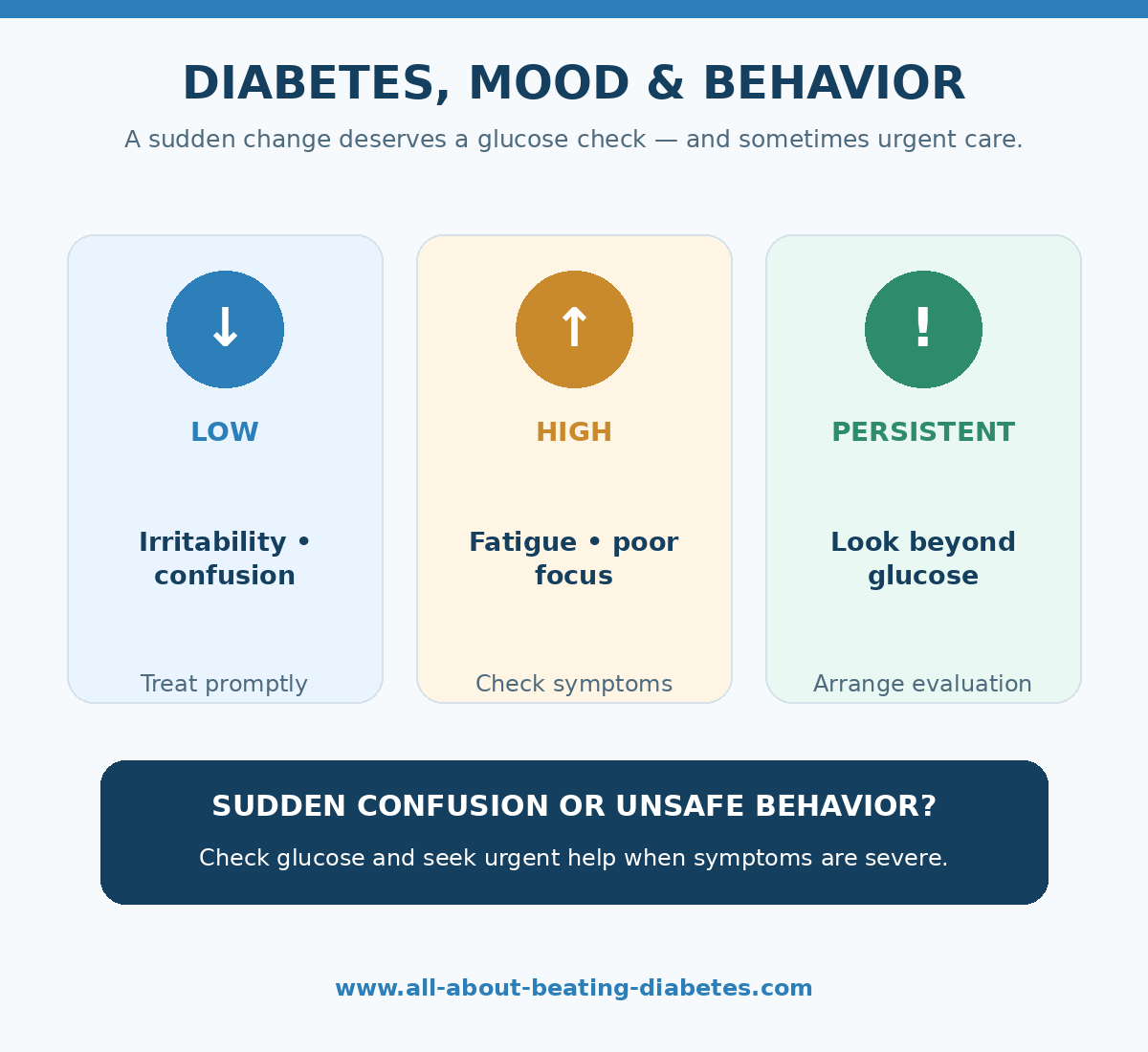

Persistent Changes Need a Broader Evaluation
Behavior may improve after glucose returns to range, but persistent mood or personality changes should not be assumed to disappear with better glucose control.
Other possible causes include:
- diabetes distress, depression, anxiety, burnout, or fear of complications;
- poor sleep, chronic pain, alcohol, recreational drugs, or medicine side effects;
- infection, thyroid disease, anemia, kidney or liver problems, vitamin deficiency, or hormonal disorders;
- stroke, head injury, seizures, dementia, or another neurological condition;
- relationship, financial, work, caregiving, or family stress.
Diabetes distress may appear as frustration, avoidance, anger, exhaustion, or lost motivation. Depression may involve persistent sadness, loss of interest, hopelessness, sleep or appetite changes, and impaired functioning. Both deserve support.
Arrange medical review when changes repeat, persist after glucose correction, disrupt relationships or diabetes care, or occur with memory loss, medication errors, missed insulin, substance use, or declining self-care.
Answer for Mira: Mood Changes in Type 1 Diabetes
Hello Mira,
In type 1 diabetes, rapid glucose changes may contribute to irritability, especially around insulin, meals, exercise, illness, or sleep. But frequent anger or marked mood swings should not automatically be blamed on diabetes.
Check whether episodes occur before meals, after insulin, overnight, after exercise, during stress, or while glucose changes rapidly. A meter or continuous glucose monitor may reveal patterns. See our type 1 diabetes guide.
Family can help by staying calm, checking glucose instead of arguing during a suspected low, keeping treatment nearby, and discussing patterns when the person feels well. Diabetes is not punishment or personal failure. Severe or persistent symptoms still need evaluation.
Seek urgent help now for sudden facial drooping, one-sided weakness, trouble speaking, a severe new headache, seizure, fainting, severe confusion, suicidal thoughts, threats of harm, inability to care for oneself, or behavior that places anyone in immediate danger.
Educational safety note: This answer provides general education and does not diagnose a psychiatric, neurological, or diabetes condition. Do not change insulin or another medicine without the treating clinician.
Related Questions
- What Causes Repeated Low Blood Glucose?
- Can Nervousness and Sweating Be Hypoglycemia?
- How Do Stress and Anxiety Affect Blood Glucose?
Related Resources
- Dangerous Blood Sugar Levels
- Diabetes Blood Sugar Levels
- Diabetes Complications and Warning Signs
- Type 1 Diabetes Information
Last reviewed: July 2026
Click here to post comments or follow up
Ask the Doctor now? Simply click here to return to Complications from diabetes.
Mood changes - Type 1 Diabetes Side Effect?
by Mira
(Australia)
Question from Mira, Australia: What causes frequent mood changes in someone with type 1 diabetes—sometimes happy and at other times very angry? Is there anything that can help?
Mood Changes With Type 1 Diabetes
Hello Mira,
Type 1 diabetes can sometimes contribute to sudden changes in mood or behavior, especially when glucose is falling too low, rising very high, or changing rapidly. However, frequent anger, sadness, anxiety, or major mood swings should not automatically be blamed on diabetes. The person may also be experiencing diabetes distress, depression, anxiety, poor sleep, family or school stress, medicine effects, or another medical condition.
Check for low blood sugar first
Low blood sugar can cause irritability, impatience, anxiety, crying, confusion, poor concentration, clumsiness, unusual behavior, or aggression. Some people appear “not like themselves” and may not recognize that they are low.
If the behavior changes suddenly, check glucose promptly when it is safe. If glucose is below 70 mg/dL, or 3.9 mmol/L, and the person is awake and can swallow safely, follow the hypoglycemia treatment plan provided by the diabetes team. A common approach is 15 grams of fast-acting carbohydrate followed by another glucose check after 15 minutes.
Emergency warning: Call emergency services if the person is unconscious, having a seizure, unable to swallow, severely confused, or behaving in a way that places anyone in immediate danger. Do not give food or drink by mouth when swallowing is unsafe. Use prescribed glucagon if it is available and a trained person can give it.
High or rapidly changing glucose may also affect mood
High glucose may cause thirst, frequent urination, headache, tiredness, poor concentration, irritability, dehydration, and disturbed sleep. These symptoms can make someone seem withdrawn or short-tempered. Rapid glucose changes may also make a person feel physically and emotionally unsettled even before a meter or continuous glucose monitor shows a severe value.
Confusion, extreme drowsiness, vomiting, abdominal pain, deep or rapid breathing, fruity-smelling breath, severe dehydration, or positive ketones may indicate diabetic ketoacidosis and require urgent medical care.
Look for a pattern
I suggest recording when the mood changes occur and comparing them with glucose data. Useful details include:
- the glucose or continuous glucose monitor reading and trend arrow;
- whether the episode occurs before meals, after insulin, overnight, or after exercise;
- recent food, missed meals, illness, alcohol, or unusual activity;
- sleep quality, school or work pressure, relationship stress, and menstrual-cycle changes where relevant;
- whether the mood improves after glucose returns to the person’s target range.
A continuous glucose monitor may help identify repeated lows, rapid falls, overnight patterns, or glucose variability. The diabetes team should review frequent episodes because insulin timing, doses, meal planning, exercise, injection technique, or device settings may need adjustment. Do not change insulin without the treating clinician.
Diabetes distress is real
Living with type 1 diabetes requires constant attention to insulin, food, activity, devices, alarms, and the possibility of high or low glucose. This burden can lead to diabetes distress or burnout. A child, teenager, or adult may become frustrated, angry, exhausted, avoid diabetes tasks, or feel different from other people.
This is not punishment and it is not the person’s fault. Family members can help by listening without blame, staying calm during a suspected low, avoiding arguments until glucose and immediate safety are checked, and discussing recurring concerns when the person feels well.
Support should be appropriate for the person’s age. Children and adolescents benefit from shared responsibility rather than being expected to manage everything alone. Adults may also need practical help, peer support, diabetes education, or counseling.
When to request mental-health support
Please arrange medical or mental-health evaluation when mood changes:
- continue after glucose returns to the usual range;
- occur frequently or are becoming more severe;
- interfere with school, work, relationships, sleep, eating, or diabetes care;
- include persistent sadness, hopelessness, loss of interest, panic, severe anxiety, or social withdrawal;
- lead to missed insulin, intentional insulin restriction, unsafe eating behavior, alcohol or drug misuse, or repeated dangerous decisions.
Doctor’s Note: When mood changes suddenly, first check immediate safety and glucose. When the changes persist, look beyond glucose and ask for broader support. Type 1 diabetes can influence how someone feels, but it should not be used to dismiss every emotional or behavioral concern.
Seek urgent help now for suicidal thoughts, threats of harm, severe confusion, seizure, fainting, sudden one-sided weakness, trouble speaking, or behavior that creates immediate danger.
Learn more in our type 1 diabetes guide, dangerous blood sugar guidance, and overview of diabetes complications and warning signs.
Educational safety note: This answer provides general education and does not diagnose a psychiatric, neurological, or diabetes condition. Do not change insulin or another medicine without the treating clinician.
Click here to post comments or follow up
Ask the Doctor now? Simply click here to return to Complications from diabetes.