- Home
- Diabetes Complications
- Diabetic Nephropathy Symptoms and Treatment
Diabetic Nephropathy: Symptoms, UACR, eGFR & Treatment
If you live with diabetes, it is understandable to want a simple answer to the question, “What blood sugar should I aim for?”
For many adults, there are well-established treatment targets. However, I always remind my patients that these are general goals, not one-size-fits-all rules. Your safest target depends on your age, type and duration of diabetes, medicines, risk of hypoglycemia, pregnancy status, kidney or heart disease, and overall health.
The goal is not to keep glucose at one perfect number all day. It is to remain within a safe range as consistently as possible while avoiding prolonged high blood sugar and unnecessary low blood sugar.
Quick Answer: Common Blood Glucose Targets
For many nonpregnant adults with diabetes, commonly used treatment goals are:
- Before meals: 80–130 mg/dL (4.4–7.2 mmol/L)
- Peak after meals: below 180 mg/dL (below 10.0 mmol/L), measured 1–2 hours after the beginning of the meal
- A1C: below 7% (below 53 mmol/mol), when this can be achieved safely
| Measurement | Common target | What it means |
|---|---|---|
| Before meals | 80–130 mg/dL (4.4–7.2 mmol/L) |
A common premeal target for many nonpregnant adults |
| Peak after meals | Below 180 mg/dL (below 10.0 mmol/L) |
Usually assessed 1–2 hours after the beginning of the meal |
| A1C | Below 7% (below 53 mmol/mol) |
A common longer-term goal when it can be reached safely |
What Does “Acceptable Blood Glucose” Mean?
An acceptable blood glucose level is not necessarily the same as a “normal” glucose level in someone without diabetes.
When we set a diabetes target, we balance two priorities: keeping glucose low enough to reduce the risk of long-term complications while avoiding hypoglycemia and treatment that is too aggressive for the individual patient.
A single blood glucose reading does not provide a complete picture of diabetes control. In clinical practice, I consider the broader pattern, including fasting and premeal glucose levels, post-meal readings when appropriate, A1C, episodes of hypoglycemia, symptoms, current medications, and, when available, continuous glucose monitoring (CGM) data. These measures should also be interpreted in the context of established blood glucose and A1C ranges for normal glucose, prediabetes, and diabetes.
Acceptable Blood Glucose Before Meals
For many nonpregnant adults with diabetes, a common target before meals is 80–130 mg/dL (4.4–7.2 mmol/L).
This gives us useful information about your baseline glucose before food begins to raise it. If most of your premeal readings are within your agreed target, that is encouraging, but they should still be interpreted together with your post-meal pattern, A1C, low-glucose episodes and overall treatment plan.
A reading of 80 mg/dL is not hypoglycemia. It is near the lower end of the usual premeal target. Hypoglycemia is generally defined as glucose below 70 mg/dL.
If fasting or premeal readings are repeatedly above your personal target, possible contributors include overnight glucose production, meal or medication timing, illness, poor sleep, stress and changes in physical activity. A pattern over several days is more informative than one isolated morning reading.
If morning glucose is your main concern, see our guide to fasting blood sugar levels.
Acceptable Blood Glucose After Meals
For many adults with diabetes, a common target is a peak post-meal glucose below 180 mg/dL (10.0 mmol/L).
When post-meal glucose is being assessed, it is generally measured 1–2 hours after the beginning of the meal. The timing matters because this period is intended to capture glucose near its post-meal peak.
One reading slightly above 180 mg/dL does not necessarily mean your treatment is failing. A larger meal, more carbohydrate than usual, illness, stress, poor sleep or reduced activity can all affect the result. More important questions are whether higher readings occur frequently, remain elevated for a long time, or appear alongside an A1C or CGM pattern showing excessive glucose exposure.
Because blood glucose changes throughout the day, the timing of a measurement matters, particularly when interpreting blood sugar levels after eating.
How Does A1C Fit With Daily Blood Sugar Targets?
Daily readings show what your blood sugar is doing at a particular moment. A1C provides a broader view of glucose exposure over the previous two to three months, with more recent weeks contributing more to the result.
For many nonpregnant adults with diabetes, a common A1C goal is below 7% (53 mmol/mol) when it can be achieved safely. Some people may benefit from a lower goal. Others need a less stringent goal because hypoglycemia, frailty, serious comorbidities, cognitive or functional limitations, or treatment burden makes tighter control less safe.
I would not interpret A1C in isolation. Two people can have the same A1C while experiencing very different patterns of highs and lows.
Learn more in A1C vs Blood Sugar, or use our HbA1c to Average Glucose Calculator.
What If I Use a Continuous Glucose Monitor?
A continuous glucose monitor, or CGM, helps us look beyond individual fingerstick readings. It shows how much time glucose spends within, above and below the target range.
| CGM metric | Common goal for many adults |
|---|---|
| Time in range: 70–180 mg/dL | More than 70% of the time |
| Time below 70 mg/dL | Less than 4% of the time |
| Time below 54 mg/dL | Less than 1% of the time |
| Time above 180 mg/dL | Less than 25% of the time |
CGM goals also need to be individualized. Some older adults with complex health problems, for example, may need more permissive goals to reduce the risk of hypoglycemia.
What About Bedtime Blood Sugar?
There is no single bedtime glucose target appropriate for every adult with diabetes. Bedtime goals depend on insulin use, risk of overnight hypoglycemia, age, other medical conditions, recent exercise, meal timing and the treatment plan you follow.
If you use insulin or medicines that can cause hypoglycemia, your clinician may give you a specific bedtime target. Follow that individualized plan rather than relying on a universal bedtime number from the internet.
What Is Considered Low Blood Sugar?
For people with diabetes, glucose below 70 mg/dL (3.9 mmol/L) is considered hypoglycemia and should be taken seriously. A level below 54 mg/dL (3.0 mmol/L) is more clinically significant.
Symptoms may include shakiness, sweating, hunger, palpitations, dizziness, weakness, irritability, confusion or difficulty concentrating. If you have a hypoglycemia treatment plan, follow it promptly. Frequent low readings require medical review because medication dose, meal timing or activity may need adjustment.
Why Your Personal Target May Be Different
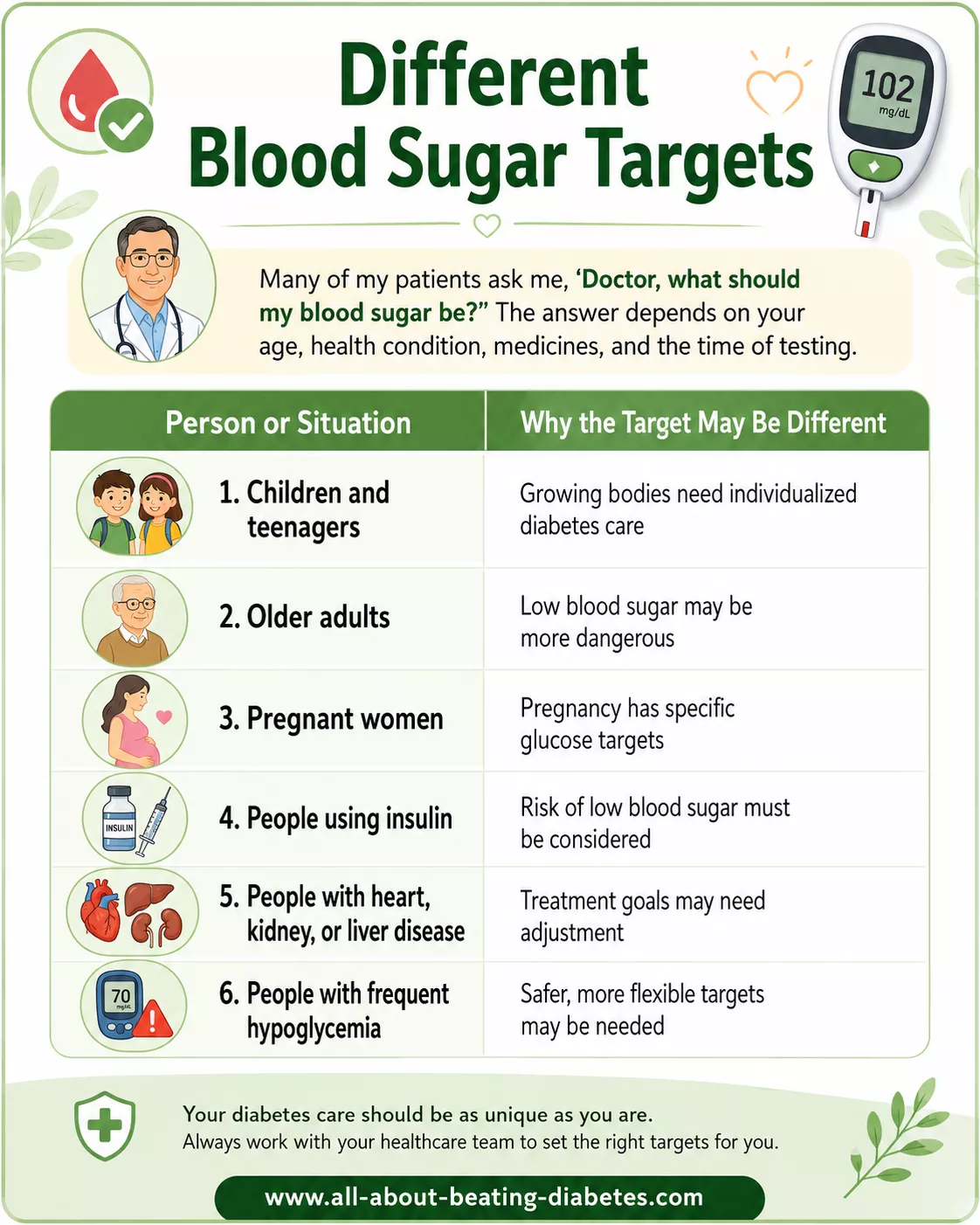
I would not give exactly the same glucose goal to every patient. Your targets may need to be individualized if you:
- are pregnant or planning pregnancy;
- are a child or adolescent;
- are an older adult;
- have frequent or severe hypoglycemia;
- have impaired awareness of low blood sugar;
- have significant kidney, heart, liver or other medical disease;
- have cognitive or functional limitations;
- have lived with diabetes for many years; or
- use insulin or medicines that increase hypoglycemia risk.
An older adult who is otherwise healthy may still have relatively tight glucose goals. Someone with frailty, several serious illnesses or recurrent hypoglycemia may need more relaxed targets because preventing low blood sugar becomes the greater priority.
What Can Affect Your Blood Glucose Readings?
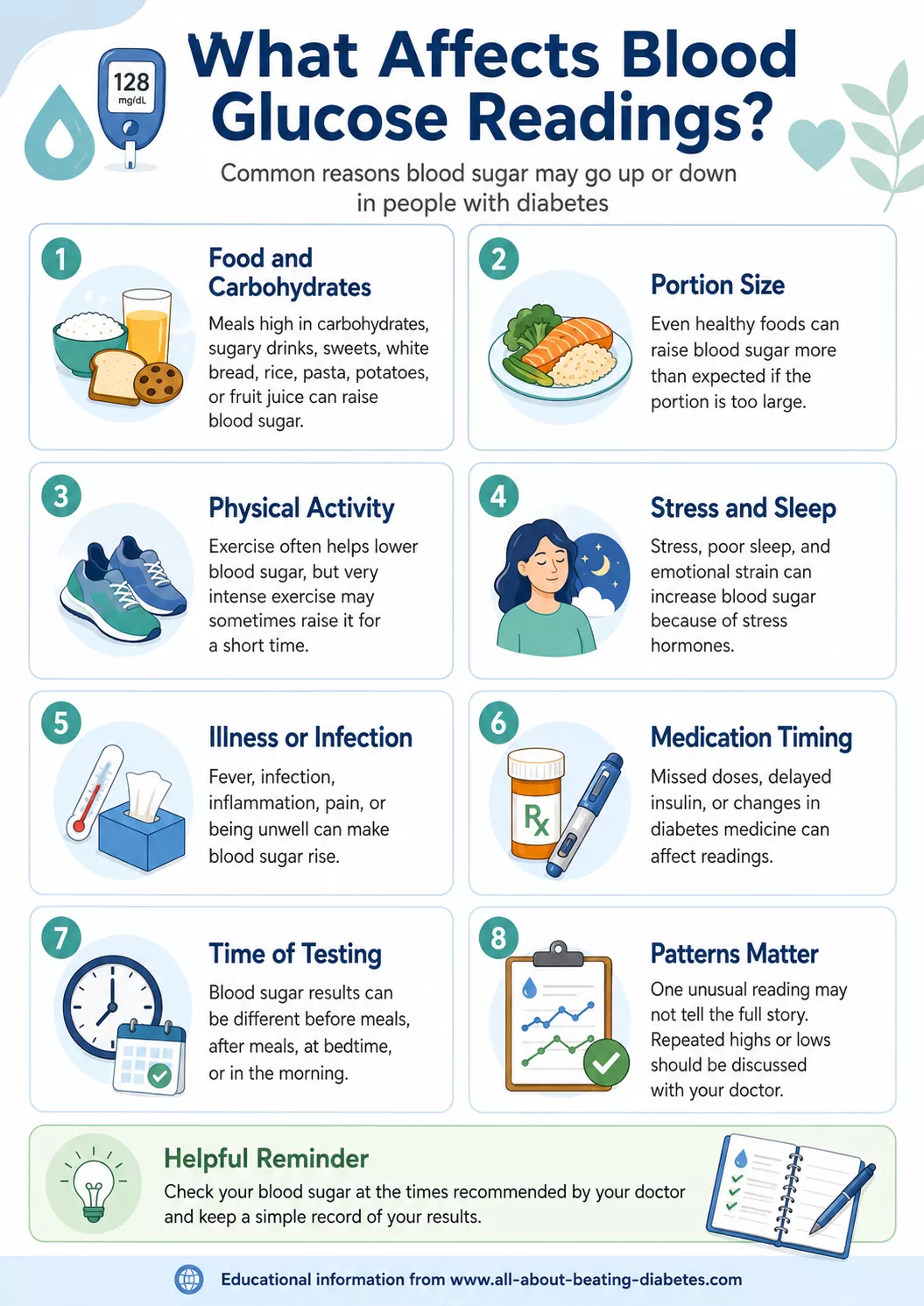
Even when your treatment plan has not changed, glucose can vary from day to day. Common influences include:
- meal size and carbohydrate content;
- physical activity;
- stress and sleep;
- infection, illness or pain;
- dehydration or alcohol;
- hormonal changes;
- medication timing;
- missed insulin or diabetes medicine; and
- corticosteroids and some other medicines.
This is why I encourage patients to look for patterns rather than reacting strongly to one unusual result.
How to Keep Blood Glucose Closer to Your Target
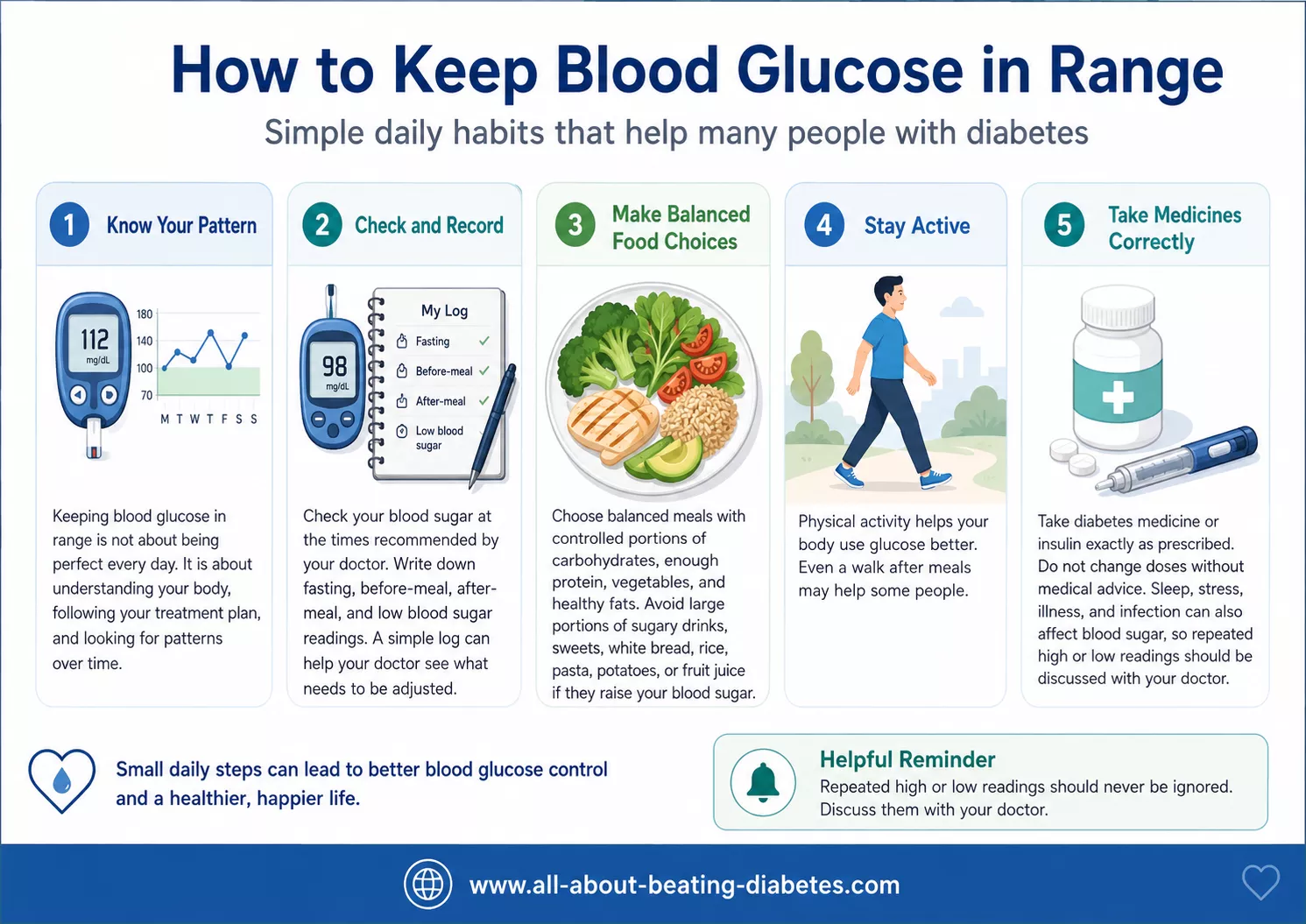
Keeping glucose in range does not require perfect numbers every day. The practical goal is to make the overall pattern safer and more consistent. Depending on your treatment plan, helpful steps may include:
- taking insulin or diabetes medicine exactly as prescribed;
- checking glucose at the times recommended by your healthcare team;
- keeping carbohydrate portions reasonably consistent when this is part of your plan;
- choosing meals with vegetables, protein, fiber and appropriate carbohydrate portions;
- being physically active regularly;
- reviewing repeated highs or lows instead of changing medication on your own;
- paying attention to sleep, illness, stress and hydration; and
- bringing your glucose log or CGM report to medical appointments.
Do not change insulin or medication doses because of one unusual result unless your healthcare professional has given you a specific adjustment plan.
Dr. Albana’s Perspective
When a patient asks whether a blood sugar number is “acceptable,” I first ask when it was measured and what target we agreed on for that person.
A premeal glucose of 125 mg/dL may be within the usual target for many adults with diabetes. The same number means something different if we are discussing a fasting laboratory test used to screen a person who has not been diagnosed with diabetes.
I also do not judge diabetes control from one good reading or one bad reading. I want to know whether most values are reasonably close to target, whether there are repeated highs, whether low glucose is occurring, and whether the A1C or CGM report tells the same story.
The best target is not the lowest number you can achieve. It is the range that offers meaningful long-term protection while remaining safe and realistic for your health and treatment.
When Should You Contact Your Doctor?
Contact your healthcare team if:
- glucose is repeatedly above your agreed target;
- you have repeated readings below 70 mg/dL;
- you experience nighttime hypoglycemia;
- your A1C is rising despite apparently reasonable daily readings;
- your CGM shows frequent highs or lows;
- you are ill and glucose becomes difficult to control;
- you are unsure whether medication or insulin needs adjustment; or
- your target may no longer be appropriate because of pregnancy, aging or a new medical condition.
Related Questions
Is 130 mg/dL acceptable for someone with diabetes?
It depends on when it was measured. For many nonpregnant adults, 130 mg/dL is at the upper end of the common premeal target. After a meal, it may also be within an acceptable range, but your individual target may differ.
Is 180 mg/dL after eating acceptable?
For many adults with diabetes, the common goal is a peak post-meal glucose below 180 mg/dL, assessed 1–2 hours after the beginning of the meal. Frequent readings at or above this level should be reviewed as a pattern.
Is 70 mg/dL acceptable?
Seventy mg/dL is the threshold at which we become concerned about hypoglycemia. A reading below 70 mg/dL should be treated according to your diabetes plan, and repeated lows should be discussed with your healthcare team.
Should everyone with diabetes have the same glucose target?
No. Age, pregnancy, medications, hypoglycemia risk, kidney or heart disease, functional status and other health conditions can all affect the safest goal.
What should my blood sugar be at bedtime?
There is no universal bedtime target for every adult with diabetes. Your bedtime goal should reflect your treatment plan, especially if you use insulin or are at risk of overnight hypoglycemia.
Is A1C below 7% right for everyone?
No. Below 7% is a common goal for many nonpregnant adults, but some people may benefit from a lower goal and others need a less stringent one for safety.
Related Tools and Calculators
Related Resources
Final Key Message
For many nonpregnant adults with diabetes, common treatment goals are 80–130 mg/dL before meals, below 180 mg/dL at the peak after meals, and A1C below 7% when these goals can be achieved safely.
If you use CGM, spending more than 70% of the time between 70 and 180 mg/dL is a common goal for many adults, while time below 70 mg/dL should remain limited.
Most importantly, your target should fit you. A safe plan balances glucose control with your risk of hypoglycemia, medications, age, other medical conditions and daily life. I would rather see a patient follow a realistic, individualized target safely and consistently than chase a “perfect” number that creates unnecessary risk.
References
- American Diabetes Association Professional Practice Committee. Glycemic Goals, Hypoglycemia, and Hyperglycemic Crises: Standards of Care in Diabetes—2026. Diabetes Care. 2026;49(Suppl. 1).
- American Diabetes Association Professional Practice Committee. Older Adults: Standards of Care in Diabetes—2026. Diabetes Care. 2026;49(Suppl. 1).
- American Diabetes Association. Checking Your Blood Sugar.
- National Institute of Diabetes and Digestive and Kidney Diseases. Managing Diabetes. National Institutes of Health.
Medical disclaimer: This information is for general education and does not replace professional medical advice, diagnosis or treatment. Follow the glucose targets and treatment plan recommended by your healthcare professional. Do not change insulin or diabetes medication doses without appropriate medical guidance.
Kidney disease is one of the diabetes complications I want my patients to understand early, because kidney damage can begin long before you notice swelling, pain, or changes in urination. A person may feel completely well while important kidney tests are already beginning to change.
The good news is that diabetic kidney disease can often be detected early with simple blood and urine tests, and modern treatment can substantially slow its progression. The two numbers you will hear most often are UACR, which checks for albumin leaking into the urine, and eGFR, which estimates how well the kidneys are filtering your blood.
On this page, I will explain what these tests mean, who should be screened, which symptoms deserve attention, and how glucose, blood pressure, medicines, nutrition, and lifestyle can help protect your kidneys. For a broader overview of problems diabetes may cause over time, see our guide to diabetes complications, warning signs, and prevention.
Quick Answer: What Is Diabetic Nephropathy?
Diabetic nephropathy, also called diabetic kidney disease (DKD), is chronic kidney damage associated with diabetes. It usually develops gradually and often causes no symptoms in its early stages.
The two most important routine tests are the urine albumin-to-creatinine ratio (UACR), which looks for albumin leaking into the urine, and the estimated glomerular filtration rate (eGFR), which estimates kidney filtering function.
Protecting the kidneys involves more than lowering blood sugar. Modern care also addresses blood pressure, albuminuria, cardiovascular risk, smoking, weight, and kidney-protective medicines when they are appropriate for the individual patient.
What Is Diabetic Nephropathy?
Diabetic nephropathy is an older but still commonly used term for diabetic kidney disease. Diabetes can damage the kidneys over time through prolonged high glucose exposure, increased pressure within the kidney's filtering units, vascular injury, inflammation, and associated high blood pressure.
Kidney disease does not follow exactly the same timeline in every patient. In type 1 diabetes, diabetic kidney disease usually develops only after several years and is uncommon during the first five years. In type 2 diabetes, kidney disease may already be present when diabetes is first diagnosed because type 2 diabetes can remain undetected for years.
It is also important not to assume that every person with diabetes and chronic kidney disease has kidney damage caused entirely by diabetes. Other kidney disorders can occur at the same time. Doctors therefore interpret UACR, eGFR, urine findings, blood pressure, diabetes duration, retinal disease, medications, and the overall clinical picture together.
Kidney disease is part of the wider group of long-term complications associated with diabetes, which can also affect the eyes, nerves, feet, heart, and blood vessels.
When I discuss kidney disease with my patients, I emphasize one point: do not wait for swelling or fatigue before checking your kidneys. Early diabetic kidney disease is usually silent. You can feel completely well while albumin is already increasing in the urine or eGFR is beginning to fall.
How Does Diabetes Damage the Kidneys?
Each kidney contains microscopic filtering structures called glomeruli. Under normal conditions, these filters remove waste and excess water from the blood while keeping important proteins such as albumin inside the bloodstream.
Long-term diabetes can place stress on this delicate filtration system through several related mechanisms:
- Persistent high glucose can damage small blood vessels and kidney cells.
- Increased pressure inside the glomeruli can stress the filtration barrier.
- Renin-angiotensin-aldosterone system activity can contribute to intraglomerular pressure and fibrosis.
- Inflammation and oxidative stress contribute to structural injury.
- High blood pressure can accelerate kidney-function loss.
Over time, albumin may begin leaking into the urine and structural changes may develop in the kidney filters. As functioning kidney tissue is lost, eGFR can gradually decline.
Because long-term glucose exposure is part of this process, keeping blood sugar within an individualized target remains important. Our normal blood sugar level chart explains how fasting, before-meal, after-meal, and A1C values are interpreted differently.
Who Should Be Screened for Diabetic Kidney Disease?
Because early kidney disease often has no obvious symptoms, routine screening is much more useful than waiting until you feel unwell.
Current diabetes guidance recommends checking UACR and eGFR at least once each year in:
- everyone with type 2 diabetes, beginning at diagnosis
- people who have had type 1 diabetes for 5 years or longer
Once chronic kidney disease is present, UACR and eGFR are generally checked more often, with the frequency depending on kidney stage, progression risk, treatment, and other medical factors.
Kidney screening is different from routine glucose monitoring. A glucose meter tells you what your blood sugar is doing at a particular moment, while HbA1c reflects longer-term glucose exposure. UACR and eGFR tell your healthcare team something different: whether kidney damage is present and how well your kidneys are functioning.
UACR and eGFR: The Two Key Kidney Tests
Patients sometimes focus only on blood creatinine, but doctors obtain a much clearer picture by looking at both urine albumin and estimated kidney filtration. UACR and eGFR provide complementary information and should usually be interpreted together.
Urine Albumin-to-Creatinine Ratio (UACR)
UACR measures how much albumin is present in the urine relative to creatinine. Healthy kidneys normally keep most albumin in the bloodstream. Increasing albumin leakage can therefore be an early sign that the kidney filtration barrier is being damaged.
| UACR | Category | Meaning |
|---|---|---|
| <30 mg/g | A1 | Normal to mildly increased |
| 30–299 mg/g | A2 | Moderately increased albuminuria |
| ≥300 mg/g | A3 | Severely increased albuminuria |
One abnormal UACR does not automatically establish persistent kidney disease. Exercise, fever, infection, heart failure, menstruation, marked hyperglycemia, and markedly elevated blood pressure can temporarily increase urinary albumin.
Because albumin excretion varies naturally, doctors generally confirm persistent moderately or severely increased albuminuria with repeated testing. In many cases, two of three specimens collected over approximately 3–6 months should be abnormal before persistent albuminuria is confirmed.
Estimated Glomerular Filtration Rate (eGFR)
eGFR estimates how effectively your kidneys are filtering blood. It is calculated from blood test information and is more useful for kidney assessment than looking at serum creatinine alone.
| eGFR (mL/min/1.73 m²) | Stage | General description |
|---|---|---|
| ≥90 | G1 | Normal/high; CKD requires another marker of kidney damage |
| 60–89 | G2 | Mildly reduced; CKD requires another marker of kidney damage |
| 45–59 | G3a | Mild-to-moderately reduced |
| 30–44 | G3b | Moderately-to-severely reduced |
| 15–29 | G4 | Severely reduced |
| <15 | G5 | Kidney failure |
A persistently reduced eGFR below 60 mL/min/1.73 m² may indicate chronic kidney disease even when UACR is normal. Conversely, a person may have significant albuminuria while eGFR remains relatively preserved.
This is why doctors use both UACR and eGFR instead of relying on a single kidney number. If you are trying to understand your diabetes numbers more generally, our blood glucose readings guide explains how glucose results fit into the overall diabetes picture.
What Are the Symptoms of Diabetic Kidney Disease?
Early diabetic kidney disease usually causes no symptoms. This is one of the most important messages on this page. Waiting until something feels wrong can mean missing the stage when kidney disease is easiest to identify and address.
As chronic kidney disease becomes more advanced, possible symptoms can include:
- swelling of the feet, ankles, legs, or sometimes around the eyes
- foamy urine
- worsening high blood pressure
- fatigue or weakness
- loss of appetite, nausea, or vomiting
- itching or dry skin
- muscle cramps
- changes in urination
- shortness of breath when fluid accumulates
- difficulty concentrating or increasing drowsiness in advanced disease
These symptoms are not specific to diabetic kidney disease and may have other causes. Hiccups, headache, nausea, or facial swelling alone are also not reliable early diagnostic signs.
This is why regular complication screening matters even when you feel well. Our diabetes complications guide explains other conditions that can also begin with few or no symptoms.
How Is Diabetic Kidney Disease Diagnosed?
In most patients, diabetic kidney disease is diagnosed clinically rather than through an invasive procedure. Doctors look for a persistent pattern of albuminuria and/or reduced eGFR together with diabetes history, blood pressure, retinal findings, urine results, medication history, and evidence for or against another kidney disorder.
A kidney biopsy is not routinely required. A nephrologist may consider additional investigation or biopsy when the pattern is unusual.
Examples that may suggest another kidney disease include:
- rapidly falling eGFR
- rapidly increasing or very heavy proteinuria
- nephrotic syndrome
- visible blood or active urine sediment
- kidney disease appearing unusually early after type 1 diabetes diagnosis
- absence of diabetic retinopathy in type 1 diabetes when nephropathy is suspected
- signs of another systemic or kidney disorder
Diabetic Nephropathy Treatment: What Helps Protect the Kidneys?
Kidney protection has changed substantially over the years. Treatment is no longer based on glucose control alone. The strongest approach combines individualized glucose management, blood-pressure control, reduction of albuminuria, cardiovascular-risk reduction, lifestyle treatment, and kidney-protective medication when appropriate.
1. Manage A1C Safely
Good glucose management reduces the risk of developing kidney complications and can help slow progression. For many nonpregnant adults, an A1C around 7% is a common starting goal, but the safest target must be individualized.
Advanced CKD can increase hypoglycemia risk, and A1C may become less reliable in certain advanced kidney conditions. Our guide to HbA1c and average blood glucose explains why the best A1C target is not identical for every patient.
2. Control Blood Pressure
Blood pressure is one of the major modifiable drivers of kidney and cardiovascular risk. Current ADA guidance generally recommends an on-treatment blood-pressure goal of below 130/80 mmHg when it can be achieved safely.
Your personal target may need adjustment if you experience dizziness, falls, frailty, medication side effects, or other conditions that affect how aggressively blood pressure can be lowered.
3. ACE Inhibitors or ARBs
In nonpregnant people with diabetes, hypertension, and albuminuria, an ACE inhibitor or angiotensin receptor blocker (ARB) is an important kidney-protective treatment.
These medicines are particularly strongly recommended when UACR is at least 300 mg/g and/or eGFR is below 60 mL/min/1.73 m². Treatment is generally adjusted toward the highest tolerated dose while kidney function, potassium, and blood pressure are monitored.
ACE inhibitors and ARBs should not routinely be combined, and they are not recommended solely to prevent CKD when blood pressure, UACR, and eGFR are all normal.
4. SGLT2 Inhibitors
For people with type 2 diabetes and chronic kidney disease, an SGLT2 inhibitor with proven kidney benefit is recommended when eGFR is at least 20 mL/min/1.73 m², unless there is a contraindication.
These medicines can reduce progression of kidney disease and lower cardiovascular and heart-failure risk, with benefits that are not explained only by their effect on blood glucose.
5. GLP-1 Receptor Agonists
GLP-1 receptor agonists with demonstrated cardiovascular and kidney benefit may also be recommended for people with type 2 diabetes and CKD. The best choice depends on kidney function, cardiovascular history, weight goals, glucose needs, tolerability, and other medications.
6. Finerenone
Finerenone is a nonsteroidal mineralocorticoid receptor antagonist that can reduce kidney-disease progression and cardiovascular events in selected people with type 2 diabetes, CKD, and albuminuria.
Current guidance recommends an effective nonsteroidal MRA in appropriate albuminuric CKD when eGFR is at least 25 mL/min/1.73 m². Potassium and kidney function must be monitored.
These drug classes work differently and are not interchangeable. If you would like a broader overview before discussing your treatment with your doctor, see our guide to diabetes medications, benefits, and side effects.
ACE inhibitors, ARBs, SGLT2 inhibitors, finerenone, insulin, metformin, GLP-1 medicines, and diuretics require individualized prescribing. Kidney function, potassium, hydration, blood pressure, pregnancy status, illness, and other medicines can all change what is safe for you.
If you are concerned about interactions or adverse effects, our diabetes drug safety and side-effects guide can help you prepare questions for your healthcare professional.
What Diet Helps Protect the Kidneys?
There is no single diet that is correct for every person with diabetic kidney disease. Nutrition needs change according to CKD stage, blood pressure, potassium, phosphorus, albuminuria, weight, diabetes treatment, and whether dialysis is required.
General principles may include:
- Reduce excess sodium. Lower sodium intake can support blood-pressure management and fluid control.
- Avoid very high-protein diets. Protein intake often needs moderation in non-dialysis CKD, while very restrictive diets should only be used with specialist supervision.
- Choose minimally processed foods. Limit highly salted packaged foods, excess added sugars, and heavily processed meals.
- Individualize potassium and phosphorus. Do not restrict them automatically unless laboratory results or your kidney team indicate that restriction is necessary.
- Avoid malnutrition. Adequate energy and appropriate protein remain important, particularly in advanced kidney disease.
If your kidney function is still normal or only mildly reduced, many principles of a balanced diabetes eating pattern may continue to apply. However, protein, sodium, potassium, phosphorus, and fluid needs can change as CKD progresses. Our diabetes diet guide provides general meal-planning advice, which should be individualized with a renal dietitian when kidney disease is present.
Other Ways to Help Slow Kidney Disease
Medication is only one part of kidney protection. Everyday habits and management of other cardiovascular risk factors also matter.
- Do not smoke.
- Stay physically active within your medical limits.
- Work toward a healthy weight when appropriate.
- Take prescribed medicines consistently.
- Avoid frequent NSAID use such as ibuprofen or naproxen unless your clinician says they are appropriate for you.
- Review herbal supplements and over-the-counter medicines for potential kidney risks.
- Treat cholesterol and other cardiovascular risk factors as recommended.
- Keep regular appointments for glucose, blood pressure, kidney, and cardiovascular monitoring.
How Do I Know if Kidney Treatment Is Working?
Kidney disease is best followed by looking at trends over time, not by judging one isolated laboratory result. Your healthcare professional may follow UACR, eGFR, creatinine, potassium, blood pressure, A1C or other glucose measures, body weight, and fluid status.
In people with UACR of at least 300 mg/g, current diabetes guidance recommends aiming for a substantial reduction in urinary albumin, generally 30% or more when possible, because falling albuminuria can indicate improved kidney-risk control.
Do not be alarmed by every small variation in eGFR or UACR. Trends, repeat testing, medication changes, hydration, illness, and the complete clinical picture are more informative than one value alone.
When Should a Nephrologist Be Involved?
Many people with early diabetic kidney disease can initially be managed by their diabetes or primary-care team. A kidney specialist becomes increasingly important when disease is advanced, progressing quickly, difficult to manage, or does not follow the expected pattern of diabetic kidney disease.
Referral to a nephrologist should be considered when:
- eGFR falls below 30 mL/min/1.73 m²
- eGFR is declining continuously or unusually rapidly
- UACR is rising rapidly or remains very high despite treatment
- the cause of kidney disease is uncertain
- blood pressure remains difficult to control
- potassium or other electrolytes are difficult to manage
- anemia, mineral/bone disease, metabolic acidosis, or other CKD complications become difficult to manage
- kidney replacement therapy may need to be discussed
Questions to Ask at Your Next Appointment
If you have diabetes, especially if kidney results have started to change, it helps to know exactly which numbers and treatment decisions to discuss.
- What is my latest eGFR?
- What is my latest UACR?
- Is there evidence that my kidney disease is progressing?
- What is my personal A1C goal?
- What blood pressure should I target at home?
- Would an ACE inhibitor, ARB, SGLT2 inhibitor, GLP-1 medicine, or finerenone help protect my kidneys?
- Do any of my medicines need adjustment for kidney function?
- How often should my kidney tests be repeated?
Most Asked Questions About Diabetic Nephropathy
These are some of the questions patients most often ask after albumin, creatinine, or eGFR results begin to change.
Can diabetic nephropathy be reversed?
Established chronic structural kidney damage is not usually fully reversible. However, albuminuria can decrease and loss of kidney function can often be slowed substantially with early treatment and careful management of glucose, blood pressure, cardiovascular risk, and kidney-protective medications.
Can I have diabetic kidney disease with normal creatinine?
Yes. Early kidney disease may first appear as increased UACR while creatinine and eGFR remain relatively preserved. This is one reason urine albumin testing is important.
Can diabetic kidney disease occur without protein in the urine?
Yes. Some people with diabetes develop reduced eGFR without substantial albuminuria. A normal UACR therefore does not completely exclude chronic kidney disease.
Is an A1C below 7% enough to protect my kidneys?
No. Glucose control is important, but kidney protection also depends on blood pressure, albuminuria, cardiovascular risk, smoking, weight, and the use of appropriate kidney-protective medicines when indicated.
What blood pressure is best for diabetic kidney disease?
For many people with diabetes and chronic kidney disease, current ADA guidance recommends a treatment goal below 130/80 mmHg when this can be achieved safely. The goal still needs to be individualized.
Does everyone with diabetic nephropathy need a kidney biopsy?
No. Kidney biopsy is not routinely required. It is mainly considered when the pattern suggests another kidney disorder, such as rapid eGFR decline, nephrotic syndrome, active urine sediment, or other atypical findings.
Can eGFR be low when UACR is normal?
Yes. Some people have reduced kidney filtration without substantial albumin leakage. Doctors therefore interpret eGFR and UACR together rather than relying on either test alone.
Related Questions
These patient questions may help you understand how kidney results fit with other diabetes laboratory findings:
Related Resources
For a broader understanding of glucose control, diabetes treatment, complications, and nutrition, these guides may also be useful:
- Diabetes Complications: Warning Signs and Prevention
- Normal Blood Sugar Level Chart
- HbA1c Explained: Goals and Average Blood Sugar
- Diabetes Medications: Benefits and Side Effects
- Diabetes Drug Safety and Side Effects
- Best Diabetes Diet: Practical Meal Guidance
- Type 2 Diabetes Information
Educational Safety Note
This page is for diabetes and kidney-health education and does not replace personal medical advice, diagnosis, or treatment. Kidney treatment depends on your eGFR, UACR, potassium, blood pressure, glucose control, cardiovascular health, medications, pregnancy status, and other individual factors.
Seek prompt medical assessment for rapidly worsening swelling, severe shortness of breath, confusion, persistent vomiting, markedly reduced urine output, severe weakness, severe hypoglycemia, or rapidly worsening kidney-test results.
Do not start, stop, or adjust diabetes, blood-pressure, or kidney medications based only on information from this page.
References
The medical information on this page is based primarily on current diabetes and chronic kidney disease guidance.
- American Diabetes Association Professional Practice Committee. Chronic Kidney Disease and Risk Management: Standards of Care in Diabetes—2026.
- KDIGO 2024 Clinical Practice Guideline for the Evaluation and Management of Chronic Kidney Disease.
- KDIGO Clinical Practice Guideline for Diabetes Management in Chronic Kidney Disease.
- National Institute of Diabetes and Digestive and Kidney Diseases. Diabetic Kidney Disease.
- National Institute of Diabetes and Digestive and Kidney Diseases. Albuminuria: Albumin in the Urine.