Diabetes Answers and Tools: Doctor-Reviewed Learning Center
Written by Dr. Albana Greca, MD, Family Physician
Specialist reviewed by Dr. Ruden Cakoni, MD, Endocrinologist
Last reviewed June 2026
|
Diabetes can feel confusing at first. Blood sugar numbers, HbA1c results, food choices, medications, and complications may all seem difficult to understand. This learning center brings together clear diabetes answers and practical tools to help patients and families learn step by step. All About Beating Diabetes provides doctor-reviewed diabetes education written in simple language for everyday people. The information on this page is educational and should not replace personal medical advice from your doctor. |
Start learning diabetes step by step.
Join our free 7-day diabetes learning series and receive simple lessons by email |
What Is Diabetes?
What Is Diabetes?
Diabetes is a long-term condition where blood sugar levels become higher than normal. This can happen because the body does not make enough insulin, does not use insulin well, or both. Over time, high blood sugar can affect the heart, kidneys, eyes, nerves, and blood vessels.
Learn more:
- What is diabetes?
- Type 1 diabetes
- Type 2 diabetes
- Prediabetes
- Insulin resistance
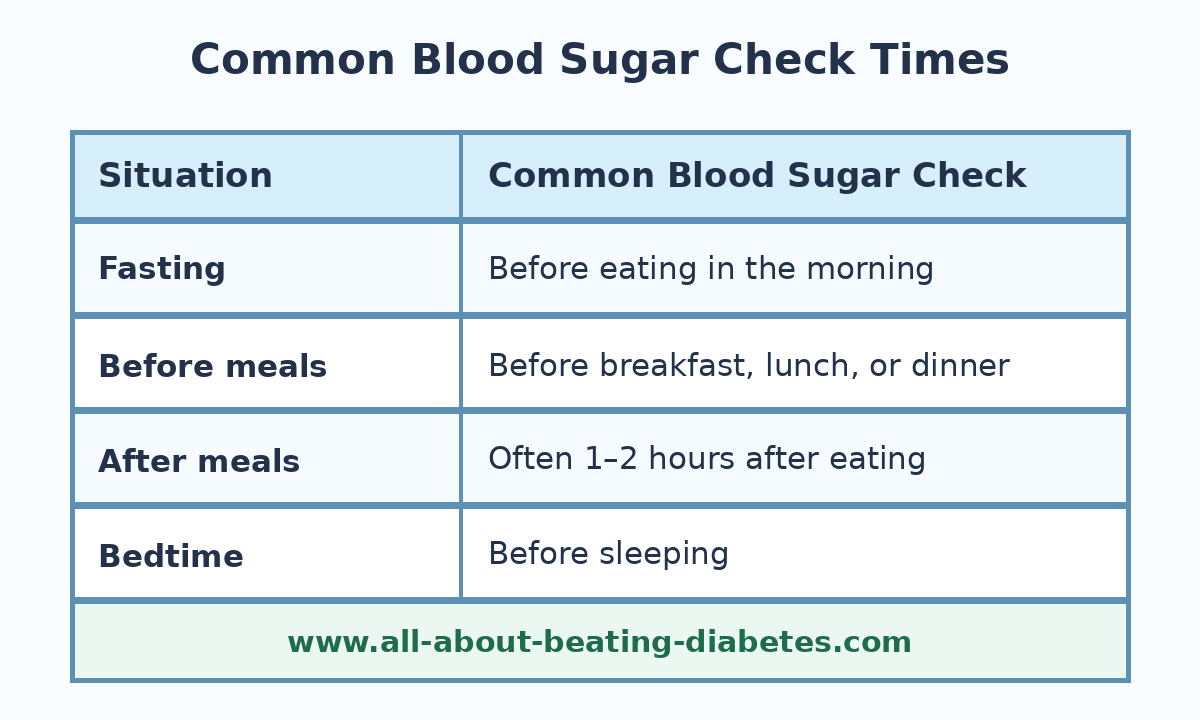
Is My Blood Sugar Normal? Blood sugar levels can change before meals, after meals, during stress, illness, exercise, or sleep. A normal or target blood sugar range may be different for each person, especially for people taking diabetes medication or insulin.
Explore more: |
 |
What Blood Sugar Level Is Dangerous?
What Blood Sugar Level Is Dangerous?
Very high or very low blood sugar can be dangerous. Low blood sugar may cause shaking, sweating, confusion, weakness, or fainting. Very high blood sugar may cause thirst, frequent urination, dehydration, nausea, vomiting, or diabetic ketoacidosis symptoms in some people.
Important safety note:
Seek urgent medical help if blood sugar is very high with vomiting, confusion, severe weakness, breathing difficulty, dehydration, or ketones, or if low blood sugar does not improve after treatment.
Read more:
- Dangerous Blood Sugar Levels
- What to Do If Blood Sugar Is High
- Low Blood Sugar Symptoms
- Diabetic Ketoacidosis Symptoms
What Should My HbA1c Be?
What Should My HbA1c Be?
HbA1c is a blood test that shows your average blood sugar over about the past 2 to 3 months. Many adults with diabetes are advised to aim for an HbA1c goal around 7%, but the right target can be different depending on age, pregnancy, other health problems, medication use, and risk of low blood sugar.
Learn more:
What Should I Eat With Diabetes?
What Should I Eat With Diabetes?
A diabetes-friendly diet does not mean eating special foods only. It usually means choosing balanced meals with controlled portions of carbohydrates, enough protein, healthy fats, vegetables, and foods that help keep blood sugar more stable.
Explore more:
- Best Diet for Diabetes
- Carbohydrates and Diabetes
- Low Glycemic Diet
- Foods That Lower Blood Sugar
- Diabetes Meal Planning
Diabetes Calculators and Tools
Diabetes Calculators and Tools
Our diabetes calculators and tools are designed to help readers better understand numbers related to blood sugar, HbA1c, weight, carbohydrates, and insulin. These tools are educational and should not replace medical advice.
| Tool | What It Helps With |
|---|---|
| HbA1c to Average Glucose Calculator | Converts HbA1c into estimated average glucose |
| Insulin Bolus and Correction Calculator | Helps understand insulin dose calculations |
| Carb Counter Calculator | Helps estimate carbohydrate intake |
| BMI and Waist-to-Height Calculator | Helps understand weight and metabolic risk |
| Blood Sugar Converter | Converts mg/dL and mmol/L |
| www.all-about-beating-diabetes.com | |
Most Popular Diabetes Questions
Most Popular Diabetes Questions
Many visitors come to All About Beating Diabetes looking for clear answers to common diabetes questions. Start with these helpful guides:
A single reading may not tell the full story. Timing, meals, medication, stress, illness, and activity can all affect blood sugar.
Blood sugar may rise after meals that contain larger portions of carbohydrates, sugary drinks, sweets, white bread, rice, pasta, potatoes, or fruit juice.
Some people with type 2 diabetes may reach remission with weight loss, diet changes, activity, and medical support, but this does not mean diabetes is permanently cured.
Many people with diabetes can eat fruit in controlled portions, especially whole fruit instead of fruit juice.
Fasting blood sugar shows your level at one moment. HbA1c shows your average blood sugar over about 2 to 3 months.
Call your doctor if you have repeated high or low readings, symptoms, medication problems, illness, or uncertainty about your treatment plan.
Doctor-Reviewed Diabetes Education
Doctor-Reviewed Diabetes Education
This diabetes learning center is created to support patient education and help individuals and families better understand diabetes. Content is prepared with care and medically reviewed where appropriate by qualified healthcare professionals.
Medical contributor: Dr. Albana Greca
Medical reviewer: Dr. Ruden Cakoni
Website: All About Beating Diabetes
Purpose: Doctor-reviewed diabetes education for patients and families
Our goal is to provide clear, practical, and trustworthy diabetes information. The content is designed for educational purposes and should not replace personal medical advice, diagnosis, or treatment from your doctor or healthcare provider.
Lear more:
Reliable Medical References
Reliable Medical References
Our diabetes education content is based on reliable and respected medical sources. These include recognized diabetes organizations, public health institutions, clinical guidelines, and peer-reviewed medical research.
When preparing or reviewing content, we may refer to trusted sources such as:
- American Diabetes Association - ADA
- Centers for Disease Control and Prevention - CDC
- National Institute of Diabetes and Digestive and Kidney Diseases
- National Institutes of Health
- World Health Organization
These references help us provide diabetes information that is accurate, practical, and useful for patient education. Our content is intended to support understanding, but it should not replace medical advice from a qualified healthcare professional.
Explore More Diabetes Learning Topics
Explore More Diabetes Learning Topics
Learn more about the key areas of diabetes care, prevention, testing, treatment, and daily management:
- Blood Sugar Levels
- HbA1c
- Diabetes Testing
- Insulin Resistance
- Diabetes Diet
- Diabetes Medications
- Diabetes Complications
- Diabetes Calculators