Natural Cures For diabetes E-book & new Updates

Glucosamine and Diabetes Link
What is behind glucosamine and diabetes link? Does glucosamine cause type 2 diabetes?
Before going to the impact of glucosamine in diabetes, let's have a look at glucosamine itself.
What is glucosamine?

Actually, it is a component, naturally produced by our body, which consists of a glucose and amine molecules. It is mainly found in cartilage and connective tissue.
Its function is to help in keeping strong, flexible and healthy cartilages and joints. This is possible due to stimulation of some other substances (glucosaminoglycans) which are responsible to keep your joint tissue altogether. It acts like a cushion around your joints. Thus, glucosamine helps in repairing damaged and degenerating joint cartilage.
Glucosamine and diabetes link - What are other health benefits of glucosamine?
Digestive tract - glucosamine enhances the production of the protective mucous coating.
Wounds - It is also considered as a raw material in the healing process of wounds.
What happens to our body glucosamine needs with passing of time?
The production of glucosamine in your body is decreased by age (the older you get, the less glucosamine is produced). As result, your joints will lose their flexibility and will get easily inflamed.
Therefore, it is a must to consult your physician for taking glucosamine as oral supplement. Usually, when you get 50 years and older, you have more needs to take glucosamine supplements.
There are few types of foods that contains glucosamine, such as shellfish or animal-meat that have connective tissue and cartilage (broths, bone marrow, neck meat, etc).
What's behind glucosamine and diabetes link?
Many approaches have been done to understand the effects of glucosamine in your diabetes. Until now, studies remain contradictory in determining the real effect of glucosamine on diabetes.
However, the clinical studies have proven the safe use of glucosamine. The only concerns involve the allergic reactions.
Clinical studies in animals have reported an increase in both, blood sugar levels and insulin resistance. This can be possible because glucosamine can alter the function of islet cells (cells that produce insulin) in pancreas.
Furthermore, according to these studies, glucosamine could increase insulin resistance by deteriorating the function of insulin in body cells.
The majority of studies have concluded that, these side effects of glucosamine predominates when it is injected. In another study published at American Journal of the Medical Sciences, it was shown that people with underlying poor insulin sensitivity had worsening of insulin resistance and vascular function while taking glucosamine at doses used to treat osteoarthritis.
Meanwhile there are other studies that have reported no effect of glucosamine in blood sugar balance of diabetics. To date, a study published at Archives of Internal Medicine in 2003 has confirmed that there is no notably affect in glucose levels among type 2 diabetics.
Although this seems to be a great relief for those diabetics who take glucosamine orally, as an alternative to NSAIDs during the treatment of osteoarthritis; however, the question if glucosamine causes type 2 diabetes is still debatable.
Glucosamine and diabetes link - glucosamine side effects
Attention is recalled to the glucosamine dosage : it is recommended to not exceed the daily dose of 20 milligrams/kg of body weight. However, you must be in close contact with your doctor for the dose adjustment.
Another recall is made towards your blood pressure, because glucosamine raises the level of daily intake salt. In addition, your diabetes damages the blood vessels too, causing hypertension (high blood pressure). That’s why you must have extra care while taking glucosamine.
At the end, I advice you to consult always your doctor about glucosamine side effects on your health and on your body.
Beat Diabetes › Diabetes medication › Glucosamine and diabetes
Recent Articles


-
Best Choices as Diabetes Foods
Feb 20, 24 02:00 PM
 What diabetes foods to choose in diabetes? High carb or low carb foods? Foods that lower sugar?
 -
Chart for normal fasting blood sugar levels
Jan 18, 24 03:57 PM
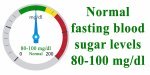 A chart of normal fasting blood sugar levels visually represents the typical range of blood glucose concentrations after an overnight fast between 80&100mg/dl
 -
Polymyalgia Rheumatica Diabetic with insulin therapy
Jan 15, 24 02:41 PM
How to treat polymyalgia rheumatica with diabetic complications, and on insulin therapy, sugar 98 losing cosciousness.
Ask question and get a personalised answer
Recent Articles
-
Best Choices as Diabetes Foods
What diabetes foods to choose in diabetes? High carb or low carb foods? Foods that lower sugar? -
Chart for normal fasting blood sugar levels
A chart of normal fasting blood sugar levels visually represents the typical range of blood glucose concentrations after an overnight fast between 80&100mg/dl -
Polymyalgia Rheumatica Diabetic with insulin therapy
How to treat polymyalgia rheumatica with diabetic complications, and on insulin therapy, sugar 98 losing cosciousness.


New! Comments
Ask A question Or Leave a comment.