Natural Cures For diabetes E-book & new Updates

- Home
- Diabetes Foods
- The right Balance of Carbohydrates and Diabetes Impact
Carbohydrates and diabetes
If you are diagnosed with diabetes, counting the carbohydrates impact on diabetes is something to take into account.
Also, you need to count fats, proteins and vitamins and minerals too, because they are the main external sources of energy for your body.
But what you need is the right balance of what you eat: your fats, proteins, carbohydrates.
What to do?
First of all, don’t be scared of all the advices given to you. Their aim is only to help you. Just take them with optimism and go on limit the carbs intake and avoid the "bad" ones.
Then, what you need to do is to obtain a diabetic meal plan , with all the foods you take and their glycemic index.
What is a glycemic index?
It is a easy way to show how fast your sugar blood level raises after eating foods. That means that glycemic index can range foods you eat on how they affect your sugar blood level.
So, there are two main groups of carbohydrate foods:
First one includes simple carbohydrates, which include sugars such as: in refined white sugar, sucrose, corn syrup, high-fructose corn syrup ( also fructose is found in fruits), dextrose, white flour, enriched flours, glucose ( our body’s main sugar, also obtained In cakes, soft drinks, cookies), lactose (found in milk and yogurt).
They can easily absorbed by your body and easily raise your sugar blood level.
Instead, on the other hand, complex carbohydrates, starches, can be slowly absorbed and slowly raise your sugar blood level. In this group are included: whole grains, rice, and cereals; bread; vegetables such as: potatoes, peas, corn beans, nuts.
That's why, you are encouraged to use this type of carbohydrates to keep diabetes be under control.
Research studies have been concluded that some starches such as baked potatoes can raise rapidly your sugar blood level until a very high peak.
That means what count in a diabetic meal plan, is the amount of carbohydrates you eat and what glycemic index they have, so how fast they raise your sugar blood level and what peak they make it reach.
Beans, barley, pasta, oats, brown rice, acidic fruits, beans, oats, barley, have low glycemic index, and are encouraged to be part of your daily meal .
But, instead, white rice, baked potatoes, breads, have a high glycemic index and you can take them in small amounts.
Also, some other foods like lemon juice or vinegar seem to decrease the glycemic index of foods you eat.
Another thing to take in consideration is the free foods, does mean the foods “free from carbohydrates”.
What are they? What do they mean?
Free foods or free carb foods are considered those diabetes foods that have less than 5 grams of carbohydrates in 100 grams serving food, while the other portion is considered fats, proteins, ash, fibers, and water.
But, this does not mean that they are completely free of carbohydrates. No food is free from carbohydrates and diabetes seems to be affected by each of them in some way or how.
So, what carbohydrate foods to choose:
Fruit: rich in fiber, vitamin A, vitamin C, folate, potassium and often vitamin E.
Vegetables: fiber, protein, vitamin A, vitamin C, often vitamin E, potassium and a wider variety of minerals than fruit.
Whole grains and grain foods: rich in fiber, protein, and some B vitamins and are very rich in minerals.
Legumes: an excellent source of protein, fiber folate, potassium, iron and several minerals. Dairy foods: protein, vitamin D, calcium, phosphorus, potassium, riboflavin, and vitamin B12.
Another resource of carbohydrates is from processed foods such as soda pop or soft drinks, snacks such as cookies and chips, and alcohol, which you should avoid. They are considered to be a poor food choice and promote diabetes raising up the sugar blood level.
Recent Articles


-
Best Choices as Diabetes Foods
Feb 20, 24 02:00 PM
 What diabetes foods to choose in diabetes? High carb or low carb foods? Foods that lower sugar?
 -
Chart for normal fasting blood sugar levels
Jan 18, 24 03:57 PM
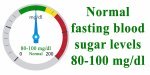 A chart of normal fasting blood sugar levels visually represents the typical range of blood glucose concentrations after an overnight fast between 80&100mg/dl
 -
Polymyalgia Rheumatica Diabetic with insulin therapy
Jan 15, 24 02:41 PM
How to treat polymyalgia rheumatica with diabetic complications, and on insulin therapy, sugar 98 losing cosciousness.
Ask question and get a personalised answer
Recent Articles
-
Best Choices as Diabetes Foods
What diabetes foods to choose in diabetes? High carb or low carb foods? Foods that lower sugar? -
Chart for normal fasting blood sugar levels
A chart of normal fasting blood sugar levels visually represents the typical range of blood glucose concentrations after an overnight fast between 80&100mg/dl -
Polymyalgia Rheumatica Diabetic with insulin therapy
How to treat polymyalgia rheumatica with diabetic complications, and on insulin therapy, sugar 98 losing cosciousness.


New! Comments
Ask A question Or Leave a comment.